
Parenting is the toughest job I have ever taken on, and I have learned that how we approach it shapes everything about our children’s futures. After years of working with families and raising my own kids, I have discovered that understanding different types of parenting styles is not just academic theory—it’s practical wisdom that can transform your relationship with your children.
What Are Parenting Styles
When I talk about parenting styles, I am really talking about the emotional climate you create at home. It’s your overall approach to discipline, communication, and nurturing. Think of it as your parenting fingerprint—the unique way you respond to your child’s needs, set boundaries, and guide them toward adulthood.
The History and Psychology Behind Parenting Styles Theory
It highlights how these styles influence a child’s behavior and emotional growth
Diana Baumrind’s Groundbreaking Research
I find it fascinating that our modern understanding of parenting styles started in the 1960s with psychologist Diana Baumrind. She observed parents interacting with their children and identified patterns that would change how we think about raising kids forever.
Baumrind’s research at the University of California showed that parenting could be categorized into distinct styles, each producing different outcomes in children. She was not just theorizing—she was watching real families and documenting what worked and what did not.
The 4 Types of Parenting Styles and Their Effects on Children
There are four main parenting styles and their impact on children’s growth and behavior.
Authoritarian Parenting Style
Authoritarian parenting is strict and controlling, often emphasizing rules over open communication.
What Is Authoritarian Parenting
I’ve seen authoritarian parenting in action countless times. These parents lead with “Because I said so!” and expect obedience without question. Rules are rigid, communication flows one way, and mistakes often lead to punishment.
Characteristics of Authoritarian Parents
In my experience, authoritarian parents typically:
- Set strict rules with no room for negotiation
- Use punishment as the primary discipline tool
- Rarely explain the reasoning behind the rules
- Maintain emotional distance from their children
- Hold extremely high expectations with little flexibility
Effects of Authoritarian Parenting on Child Development
Here’s what troubles me about this approach: while these kids often behave well in the short term, they struggle later.

I have watched children raised this way develop into adults who cannot make decisions independently. According to research from the National Institutes of Health, they are more likely to have low self-esteem, social difficulties, and problems managing anger. They become followers rather than leaders.
Authoritarian vs Authoritative Parenting
This confuses people all the time because the words sound so similar. The key difference? Authoritarian parents demand obedience. Authoritative parents earn respect. One rules through fear, the other through trust and communication.
Authoritative Parenting Style
Authoritative parenting balances clear rules with warmth and open communication, supporting children’s independence and growth.
What Is Authoritative Parenting
I consider authoritative parenting the gold standard, and here’s why: it balances warmth with structure. These parents set clear expectations but also explain their reasoning. They listen to their children’s input while maintaining final decision-making authority.
Characteristics of Authoritative Parents
The authoritative parents I admire most:
- Communicate openly and frequently with their children
- Explain the “why” behind rules and consequences
- Use discipline as a teaching tool, not punishment
- Show warmth and nurturing consistently
- Set high but reasonable expectations
- Encourage children to have input in family decisions
Why Authoritative Parenting Is the Best Parenting Style
In my experience working with hundreds of families, authoritative parenting consistently produces the healthiest outcomes. Children raised this way become confident, responsible adults who can regulate their emotions and handle life’s challenges.
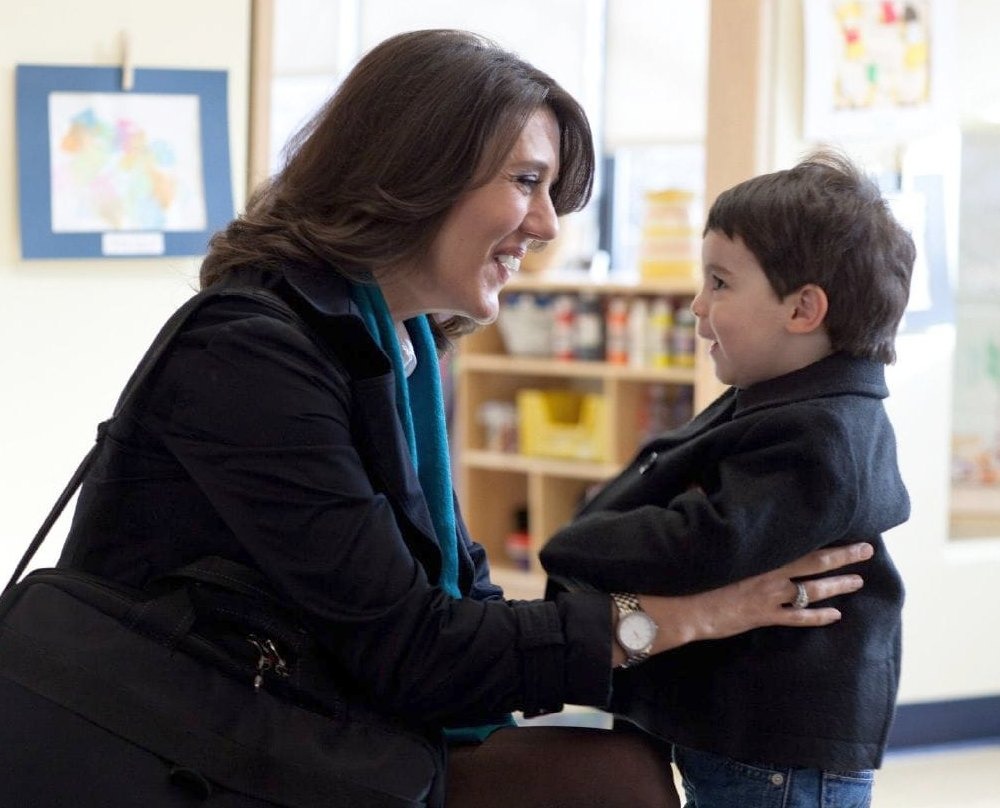
Research published by the American Psychological Association confirms these kids excel academically, have better social skills, and show higher levels of emotional well-being. They are not perfect—no child is—but they have the tools to navigate difficulties.
Effects of Authoritative Parenting on Children
Children with authoritative parents:
- Develop strong self-esteem and confidence
- Learn to manage negative emotions effectively
- Perform better academically
- Build healthy relationships with peers
- Become independent thinkers who can solve problems
- Understand consequences and make responsible choices
Permissive Parenting Style
Permissive parenting is lenient and indulgent, giving children a lot of freedom with few rules or limits.
What Is Permissive Parenting
Permissive parents often pride themselves on being their child’s best friend. I get the appeal—who does not want their kids to like them? But I have learned that being a parent means sometimes being the person your child is mad at.
Characteristics of Permissive Parents
These parents typically:
- Set a few rules or boundaries
- Avoid confrontation and conflict
- Act more like friends than authority figures
- Bail children out when they face consequences
- Make minimal demands on their children
- Show lots of warmth but little structure
Effects of Permissive Parenting on Child Development
Here’s what concerns me: while these kids often have good self-esteem initially, they struggle with self-regulation. According to studies from Harvard’s Center on the Developing Child, they are more impulsive and demanding and have difficulty with authority as they grow up.

Permissive parenting leads to entitled teenagers who expect the world to bend to their wishes. They give up easily when faced with challenges because they have never learned perseverance.
Uninvolved or Neglectful Parenting Style
Uninvolved parenting is distant and indifferent, providing little guidance, attention, or emotional support to children.
What Is Uninvolved Parenting
This is the most troubling parenting style I encounter. Uninvolved parents provide basic needs but remain emotionally detached. They’re physically present but mentally and emotionally absent from their children’s lives.
Characteristics of Neglectful Parents
Neglectful parents:
- Shows little interest in their child’s activities or emotions
- Provide minimal guidance or supervision
- Rarely communicate with their children
- Set no expectations or boundaries
- Offer little nurturing or emotional support
Long-Term Effects of Uninvolved Parenting on Children
In my experience, these children face the steepest uphill battle. They become resilient out of necessity, not choice. Research from the CDC shows they’re at higher risk for mental health issues, substance abuse, and difficulty forming healthy relationships.
Working with adults who grew up with uninvolved parents, the emotional scars run deep. They struggle with attachment, trust, and believing they’re worthy of love.
Modern Parenting Approaches and Strategies
This section highlights modern parenting approaches and strategies that focus on understanding, guiding, and supporting children effectively.
Helicopter Parenting
Helicopter parenting has exploded over the past two decades. These parents hover constantly, intervening at the first sign of difficulty. While their intentions are good, they are actually robbing their children of the chance to develop problem-solving skills.
Gentle Parenting
Gentle parenting emphasizes empathy and respect while setting healthy boundaries. I have found it particularly effective with younger children when applied correctly. The key is understanding that gentle does not mean permissive—you can be kind and firm simultaneously.
Conscious Parenting
This approach asks parents to look inward and heal their own wounds. In my work, I have observed that our childhood experiences profoundly influence how we parent. Conscious parenting encourages self-awareness and breaking negative generational patterns.
Democratic or Positive Parenting
Democratic parenting involves children in decision-making while maintaining appropriate boundaries. It works beautifully in families where parents balance giving children a voice with maintaining parental authority.
How Different Parenting Styles Impact Child Development
This section explains how various parenting styles influence children’s emotional, social, and cognitive development.
Effects on Emotional Regulation and Mental Health
Children need consistent, responsive parenting to develop healthy emotional regulation. Authoritative parenting teaches kids to identify, understand, and manage their feelings.
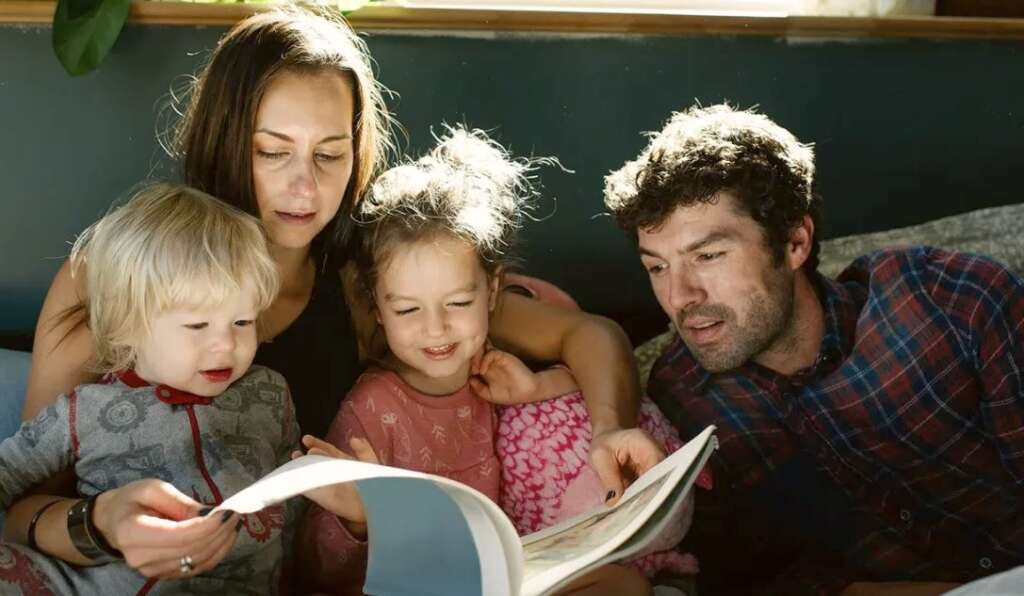
Authoritarian parenting often suppresses emotions, while permissive parenting fails to teach emotional management.
Impact on Academic Performance and School Success
In my experience, parenting style directly correlates with academic achievement. Children with authoritative parents consistently perform better in school. They have learned self-discipline, can manage their time, and understand that effort leads to results.
Influence on Social Skills and Relationships
Children mirror their parents’ communication styles. Kids raised with open, respectful dialogue become adults who can navigate social situations effectively. Those raised with rigid control or no boundaries struggle with peer relationships.
Effects on Self-Esteem and Confidence
Self-esteem does not come from constant praise or having no rules. It develops when children accomplish difficult things and overcome challenges. Authoritative parenting provides the perfect environment for this growth—high expectations with high support.
Choosing the Right Parenting Style for Your Family
Learn how to choose a parenting style that aligns with your family values and supports your child’s growth.
Understanding Your Child’s Temperament
I have raised multiple children, and each required a slightly different approach. Some kids need more structure, others more freedom. The key is understanding your child’s unique temperament and adapting your parenting strategies accordingly.
Aligning Parenting Methods with Family Values
Your parenting style should reflect what matters most to your family. I always encourage parents to identify their core values first, then choose parenting methods that support those values.
Adapting Different Types of Parenting to Different Situations
Here’s something I wish I had known earlier: you do not have to commit to one style forever. Effective parenting means being flexible.

Sometimes safety requires an authoritarian approach. Other times, you can lean into permissiveness to encourage open communication.
Effective Parenting Strategies: How to Be a Better Parent
Discover practical strategies to improve parenting skills and foster a positive relationship with your child.
Making Time for Your Kids
Quality time matters more than quantity, but you need both. Kids need to know you are available and interested in their lives. Put down your phone, make eye contact, and really listen when they talk.
Setting Appropriate Boundaries and Rules
Clear boundaries do not mean they are loving. Children feel safer when they understand the limits. I recommend deciding rules together as a family and explaining the reasoning behind them.
Building Strong Parent-Child Relationships
The parent-child relationship is the foundation everything else is built on. I prioritize connection over correction. When my relationship with my child is strong, discipline becomes easier because they want to maintain that bond.
Supporting Your Child’s Independence
My job as a parent isn’t to do everything for my children. It’s to give them the tools they need to do things themselves. I let my kids struggle, fail, and figure things out. That’s how they build competence and confidence.
What is the best parenting style for raising successful children?
Authoritative parenting consistently produces the best outcomes, balancing warmth with clear expectations and open communication.
Can you combine different parenting styles?
Yes, most parents naturally blend styles depending on the situation, though maintaining consistency in your overall approach is important.
How do I know if my parenting style is working?
Look at your child’s emotional well-being, ability to handle challenges, and the quality of your relationship with them.
Is it ever too late to change your parenting style?
It’s never too late to make positive changes in how you parent and strengthen your relationship with your children.
Conclusion
Understanding the different types of parenting styles has transformed how I approach raising children. I have learned that authoritative parenting offers the best framework for raising confident, responsible kids who can handle life’s challenges.
The key is balancing love with limits, warmth with expectations, and freedom with guidance. Your parenting style shapes not just your child’s behavior today but the adult they will become tomorrow. Start by reflecting on your current approach, identifying what’s working and what is not, and making intentional changes that align with your values and your child’s needs.