
I still remember the first time my two-month-old locked eyes with me and broke into a genuine smile. That moment made all those sleepless nights worth it. If you are navigating life with a 2 month old right now, you are witnessing some of the most remarkable developmental changes your baby will ever experience.
Understanding Baby Developmental Milestones at 2 Months
When I first became a parent, I obsessively checked every milestone chart I could find. Here is what I discovered: developmental milestones are not rigid checkboxes but guideposts that help us understand how our babies grow. According to the Centers for Disease Control and Prevention, these milestones represent what at least 75% of babies can do by a certain age.
In my experience, understanding 2 month old milestones gave me confidence as a parent. Every baby develops at their own pace, and what matters most is the overall trajectory of growth rather than hitting every single marker on the exact day. The American Academy of Pediatrics emphasizes that these early months lay the foundation for all future learning.
Physical Development Milestones at 2 Months
Motor Skills and Movement
I have found that physical development at two months is fascinating to watch. Your baby is gaining control over movements that seemed completely random just weeks ago. At this age, most babies can move both arms and legs with increasing coordination. I noticed my daughter would kick excitedly when she saw her favorite mobile.
Your baby’s hands, which stayed clenched in tight fists for weeks, start opening briefly. This hand opening is actually a significant infant development milestone because it sets the stage for reaching and grasping in the coming months. When I held my son upright at two months, I could feel him working hard to keep his head steady for longer periods.
Tummy Time Progress
Here is what I learned the hard way: tummy time is non-negotiable, even when your baby protests. During tummy time, most two-month-olds can lift their heads briefly. Some babies can even turn their heads from side to side while on their stomachs.
I started with just a few minutes several times a day. I laid down face-to-face with her, placed colorful toys at eye level, and sometimes did tummy time on my chest instead of the floor. The Mayo Clinic recommends making tummy time a regular part of your routine from birth to build those essential neck and shoulder muscles.
Social and Emotional Milestones for 2 Month Old Baby
Smiling and Facial Recognition
The social smile is one of the most rewarding 2 month old milestones parents get to witness. Unlike those early reflex smiles that happened randomly during sleep, social smiles are intentional responses to you. I have found that these smiles typically emerge between six and eight weeks of age.
Your baby is now studying faces intently. Research from Cleveland Clinic shows that infants at this age are programmed to prefer human faces over any other visual stimulus.
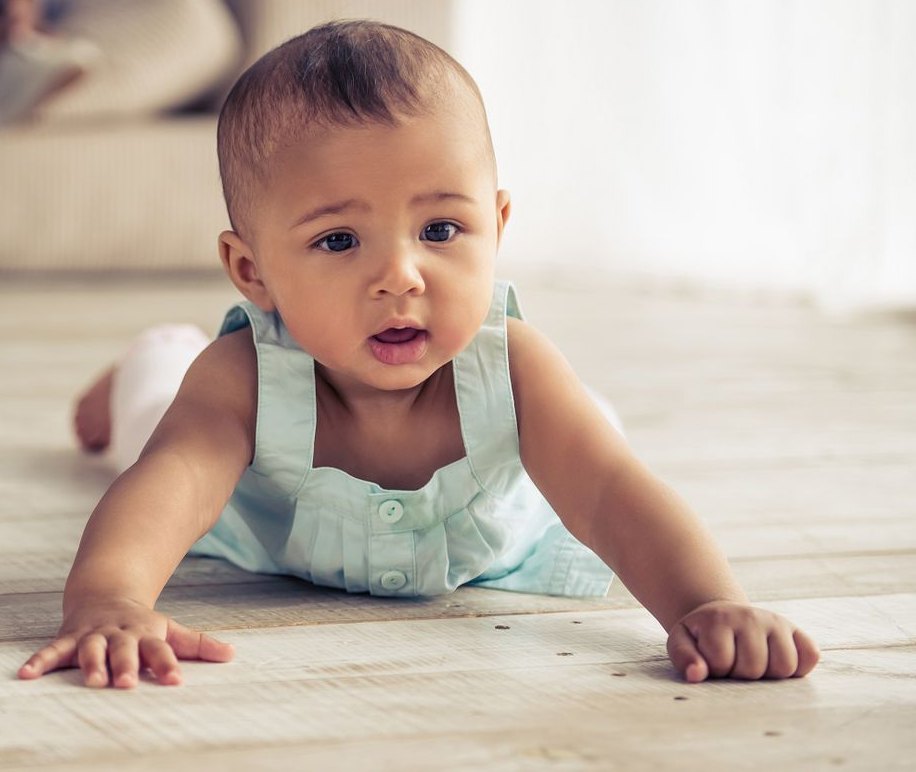
When my two-month-old smiled back at me for the first time, it felt like we had crossed an invisible bridge.
Responding to Caregivers
I have discovered that two-month-olds are remarkably responsive to their caregivers. Your baby should calm down when you speak to them or pick them up. This responsiveness shows they are beginning to understand that you are their source of comfort and security. My babies would visibly relax when they heard my voice, even before they could see me.
Communication and Language Development at 2 Months
Cooing and Early Sounds
One of my favorite 2 month old milestones is the emergence of cooing. These adorable sounds are your baby’s first attempts at conversation. When my daughter started cooing, I would coo back to her, creating our first real dialogues. According to UNICEF, these back-and-forth exchanges are critical for language development.
Reacting to Voices and Noises
Two-month-olds have surprisingly sophisticated hearing. Your baby should react to loud sounds, often by startling or becoming very still and alert. I used to talk to my babies constantly while doing everyday tasks. In my experience, this constant verbal interaction helped my children develop strong language skills later on.
Cognitive Development: How Your 2 Month Old Learns
Vision and Tracking Objects
The visual development happening at two months is remarkable. By two months, babies can focus on objects and faces with much greater clarity. I have found that babies at this age see best at a distance of about 8 to 10 inches. One significant baby development milestone is the ability to watch you as you move around. I would slowly walk across the room, and my baby’s eyes would follow me.
Hearing and Sound Recognition
Your baby’s cognitive development extends to auditory processing as well. At two months, babies can distinguish between different sounds and are beginning to understand that sounds have meaning. When I played music for my babies, I noticed they would become calm and attentive.
Activities to Support Your 2 Month Old’s Development
Best Practices for Tummy Time
In my experience, successful tummy time requires strategy and patience. Start with short sessions of just three to five minutes, several times throughout the day. I would get down on the floor at my baby’s eye level. The American Academy of Pediatrics recommends avoiding tummy time right after feeding to prevent spit-up.
Interactive Play and Bonding Activities
Simple activities create powerful learning opportunities for two-month-olds. Here are activities I found most effective:
- Talk to your baby throughout the day to build language skills
- Sing simple songs repeatedly so your baby recognizes their favorites
- Read board books with high-contrast images or simple patterns
- Make exaggerated facial expressions to teach about emotions
- Look in mirrors together to capture their attention with high-contrast faces
Feeding Your 2 Month Old Baby
Feeding remains the central activity in your baby’s life at two months. According to UNICEF guidance, babies this age should receive only breast milk or formula. I have learned to recognize hunger cues like turning their heads toward my chest, smacking their lips, or putting their hands to their mouths.
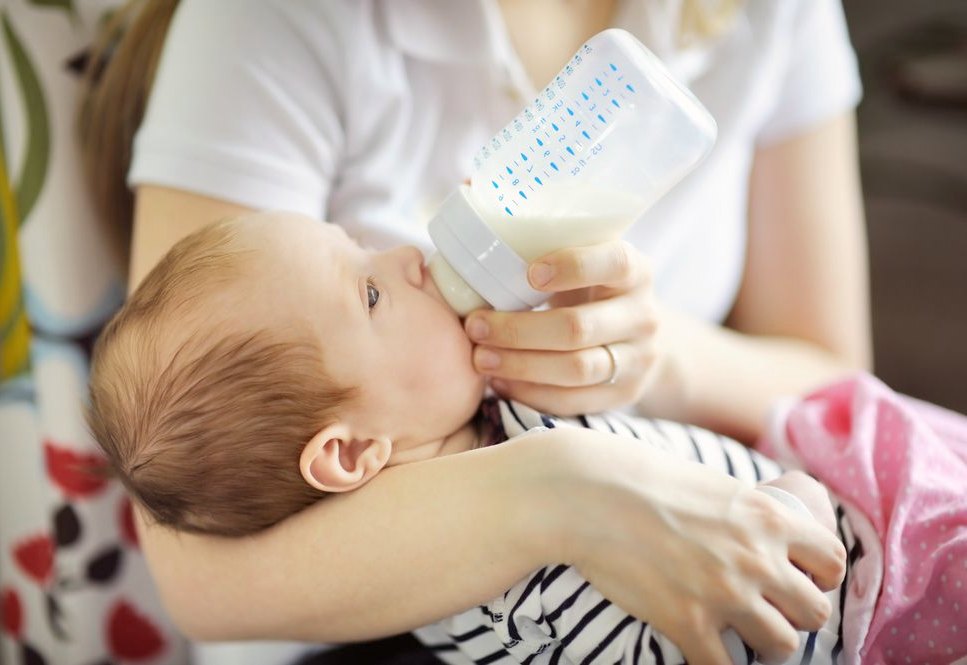
Equally important is recognizing fullness cues. When my babies turned their heads away from the breast or bottle or closed their mouths firmly, I learned they were signaling they had had enough. Most two-month-olds feed frequently, often every two to three hours.
When to Consult Your Pediatrician About Developmental Delays
Red Flags and Warning Signs
While I always advocate for trusting your instincts as a parent, certain concerns warrant immediate attention. Contact your pediatrician if your 2 month old:
- Cannot calm down when spoken to or picked up
- Does not look at your face or consistently avoids eye contact
- Shows no smiling by two to three months
- Does not hold their head up at all during tummy time
- Appears very stiff or very floppy
- Cannot latch properly or lose milk from the side of their mouth
- Shows no response to loud noises
The Centers for Disease Control and Prevention provides clear guidance on when to seek professional evaluation. Here is what I want you to remember: early intervention makes an enormous difference.
Safety Tips for Your Growing 2 Month Old
As your baby becomes more alert and active, safety becomes increasingly important. Never leave your baby unattended on elevated surfaces. The American Academy of Pediatrics provides clear, safe sleep guidelines: always place your baby on their back to sleep on a firm mattress with no pillows, blankets, or toys.
Car seat safety is non-negotiable. Ensure your baby rides in a rear-facing car seat that is properly installed. The National Highway Traffic Safety Administration offers free inspection stations. I also adjusted our water heater to no higher than 120 degrees Fahrenheit to prevent accidental burns and never held hot beverages while holding my baby.
Conclusion
Your 2 month old is at a magical stage where they are becoming more interactive and responsive. The 2 month old milestones you witness now are building blocks for all the development that follows. I have found that the key to navigating this stage successfully is staying present and trusting your instincts as a parent.
Remember that every baby develops at their own pace. What matters is the overall pattern of growth and your baby’s individual progress. Your baby is learning and growing every single day, and by two months, they have already accomplished a great deal. Celebrate these achievements and trust the process