
Starting your baby on solid foods feels like stepping into uncharted territory. I remember staring at my little one, spoon in hand, wondering if I was doing everything right. After years of researching nutrition guidelines and watching babies take their first bites, I have learned that feeding your baby does not have to be complicated. Let me walk you through everything I have discovered about the best foods for babies.
When to Start Introducing Solid Foods to Your Baby
Here is what I have found through experience: most babies are ready for solid foods around 6 months of age, though some show readiness signs as early as 4 months. The American Academy of Pediatrics recommends exclusive breastfeeding for approximately the first 6 months, and I have seen firsthand how this timeline works well for most families.
In my experience, rushing into solids before 4 months creates unnecessary challenges. Babies younger than 4 months have immature digestive systems and lack the oral motor skills to handle anything beyond breast milk or formula. Their tongues naturally push food out of their mouths, which is a protective reflex that fades as they mature.
I have learned that waiting until around 6 months gives your baby’s body time to develop the enzymes needed to digest solid foods properly. Additionally, their iron stores, which were depleted from birth, start to replenish around this time, making it the perfect moment to introduce iron-rich foods.
Signs Your Baby is Ready for Solid Foods
I always tell parents to watch their baby, not the calendar. Your little one will tell you when they are ready. Here is what I look for:
Physical readiness indicators:
- Your baby can hold their head up steadily without wobbling
- They sit upright with minimal support
- The tongue-thrust reflex has disappeared
- They can move food from the front of their mouth to the back to swallow
Behavioral signs:
- Your baby watches you eat with intense interest
- They reach for food on your plate
- They open their mouth wide when you offer a spoon
- They lean forward toward food instead of turning away
I have found that these signs usually appear together around the 6-month mark. If your baby is nearing 7 months without showing these signs, I recommend checking in with your pediatrician. Every baby develops at their own pace, but it is worth getting professional guidance at that point.
Best Foods for Babies
This is where things get exciting. I have watched countless babies experience their first tastes, and the variety of foods you can offer might surprise you.
Iron-Rich Foods for Baby’s Development
Iron sits at the top of my priority list for first foods. By 6 months, babies need additional iron and zinc that breast milk or formula alone cannot provide. The Centers for Disease Control and Prevention emphasizes this nutritional need, and I have seen how crucial it is for development.
Here are the iron-rich foods I recommend starting with:
Fortified infant cereals: I mix one tablespoon of single-grain cereal with four tablespoons of breast milk or formula. Start with oatmeal or barley rather than only rice cereal. Rice cereal can contain arsenic, so I always advise parents to rotate between different grains. Whole-grain cereals pack more nutrients than refined versions.
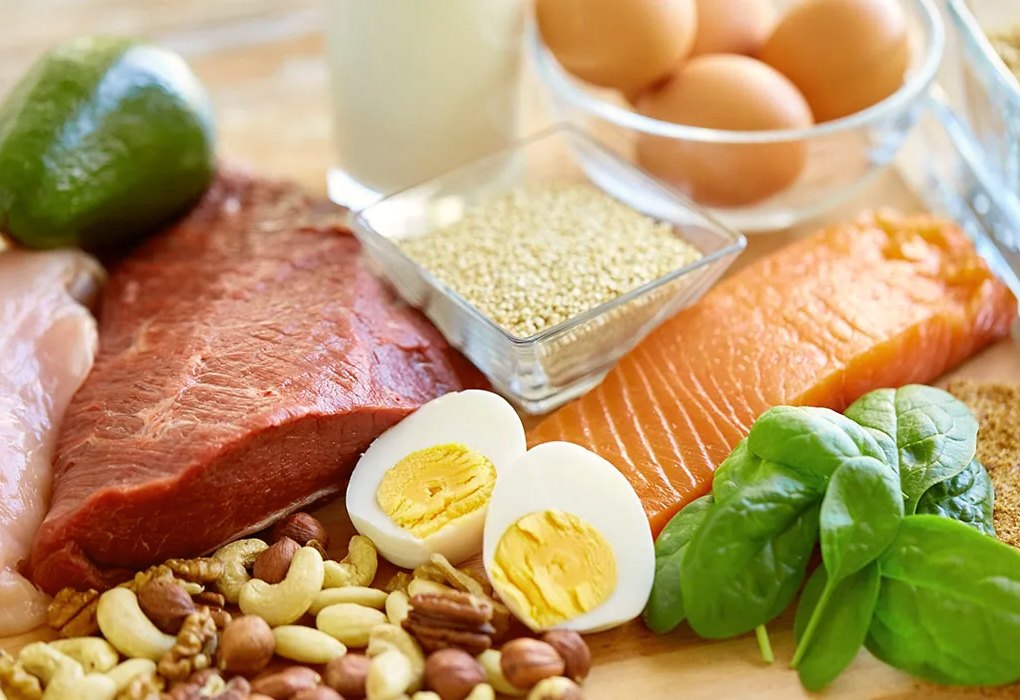
Pureed meats: Many parents are surprised when I suggest meat as a first food, but it is one of the best iron sources available.

Babies absorb iron from meat more efficiently than from fortified cereals. I puree chicken, turkey, or beef until completely smooth. Red meat and dark poultry meat contain the highest iron levels.
Cooked legumes: Lentils have become one of my favorite recommendations. They are affordable, packed with protein and fiber, and they cook down to a texture babies handle easily. I simmer lentils with finely diced carrots, then mash everything together.
Well-cooked eggs: Mashed eggs provide both iron and high-quality protein. I make sure they are fully cooked, with no runny parts, to avoid any risk of harmful bacteria.
Nutritious Fruits and Vegetables for Infants
I have found that introducing vegetables early sets up healthy eating patterns for life. Babies naturally prefer sweet tastes, so vegetables can be trickier to get them to accept. Here is my approach:
Vegetables to start with:
- Sweet potatoes: These orange powerhouses are rich in beta-carotene and vitamin C. I roast them until soft, scoop out the flesh, and puree it smooth.
- Butternut squash: Another beta-carotene champion with natural sweetness that babies tend to love.
- Broccoli: I know it sounds bold, but introducing broccoli early helps babies accept bitter flavors. I steam it until very soft, then chill it. Some babies prefer it cold.
- Carrots: Cooked until soft and mashed or pureed. Always supervise because raw carrots are choking hazards.
- Avocados: The healthy fats in avocados support brain development. I simply mash them with a fork.
Fruits that work well:
- Bananas: Loaded with potassium, B6, and vitamin C. I mash them or blend them with yogurt.
- Blueberries: These tiny berries burst with antioxidants. I mash them thoroughly to avoid choking risks.
- Apples and pears: Always cook these first until soft enough to mash easily.
In my experience, mixing a new vegetable with a familiar food like breast milk or cereal helps babies accept it more readily. Vegetables tend to be more bitter, so this technique bridges the gap.
Healthy Proteins and Grains for Growing Babies
Beyond iron-rich options, I recommend expanding into other protein sources and grains as your baby becomes comfortable with eating.
Protein options:
- Full-fat yogurt: Babies can have yogurt before their first birthday, even though cow’s milk as a drink should wait until after 12 months. I choose plain yogurt with no added sugar and look for brands with live cultures to support digestive health.
- Cheese: Full-fat varieties provide calcium and protein. I grate it finely or offer small, soft pieces.
- Fish: Introduce fish early to potentially reduce allergy risk. I use mild white fish, checking carefully for any small bones.
- Tofu: This soft protein works well for babies and introduces them to soy.
Grain varieties:
- Oats: These are gentle on digestion and full of fiber.
- Whole-grain bread: Once your baby can handle more texture, small pieces of soft whole grain bread work well.
- Pasta: Cooked until very soft and cut into small pieces.
- Brown rice: Variety matters here. I rotate between rice and other grains because rice can contain arsenic.
How to Introduce New Foods Safely
I have learned that patience is everything when introducing new foods. Here is my tried-and-true method:
Start with single-ingredient foods. I offer one new food at a time and wait 3 to 5 days before introducing another. This waiting period lets you spot any reactions like diarrhea, rashes, or vomiting. If your baby tolerates the food well, you can then move on to combinations.
Begin with 1 to 2 teaspoons once daily. Your baby might only take a tiny taste at first, and that is perfectly normal. I have watched babies make hilarious faces at new flavors, only to happily eat those same foods weeks later. As your baby grows and shows more interest, gradually increase portion sizes based on their hunger cues.
Texture progression matters: I start with completely smooth purees, then move to roughly mashed foods, then minced options, and finally soft finger foods. By 8 to 10 months, most babies can handle small pieces of soft foods. This progression helps develop chewing skills, which supports speech development later.
Introducing Allergenic Foods to Prevent Allergies
This topic has evolved dramatically. Current research from organizations like the National Institutes of Health shows that introducing allergenic foods early, rather than delaying them, actually reduces allergy risk. I now recommend introducing these foods around 6 months, right when you start other solids.
Common allergenic foods to introduce:
- Peanut butter: Spread it thinly on bread or mix it into purees. Never give whole peanuts or thick globs that could cause choking.
- Tree nut butters: Almond, cashew, and other nut butters work the same way.
- Eggs: Start with well-cooked scrambled eggs.
- Dairy products: Yogurt and cheese are fine before 12 months.
- Wheat: Introduced through bread, pasta, or cereals.
- Fish and shellfish: Offer mild varieties first.
- Soy products: Tofu is an easy starting point.
- Sesame: This is in tahini, hummus, and some breads.
Here is my approach: introduce one allergenic food at a time so you can identify any reaction clearly. Once your baby tolerates an allergenic food without problems, keep including it regularly in their diet. Research suggests that ongoing exposure helps maintain tolerance.
I always recommend introducing these foods at home, not while dining out, so you can monitor your baby closely. Have an oral antihistamine on hand just in case. If there is no reaction, gradually increase the amount over time.
If your baby has severe eczema, an existing food allergy, or if food allergies run in your family, talk to your pediatrician before introducing allergenic foods. Some babies might need supervised introduction in a medical setting.
Preventing Choking Hazards in Baby Foods
Choking prevention is non-negotiable. I always supervise babies while they eat, and I prepare food carefully to minimize risk.
Foods that need special preparation:
- Grapes, cherries, and cherry tomatoes: Cut these into quarters, not just halves.
- Hot dogs and sausages: Slice lengthwise into thin strips, never into round coins.
- Raw vegetables: Always cook carrots, celery, and similar hard vegetables until soft.
- Apples: Cook them or grate them finely.
- Meat: Cut into very small pieces and ensure it is well-cooked and tender.
- Sticky foods: Spread peanut butter thinly or blend it into other foods.
Foods to avoid entirely until age 4:
- Whole nuts
- Large seeds
- Popcorn
- Hard candy
- Marshmallows
I make sure babies sit upright in a highchair while eating. If your baby can crawl or walk, they still need to sit down for meals. Moving around while eating significantly increases choking risk.
Foods and Drinks to Avoid for Babies
Some foods are off-limits for important safety and health reasons. Here is what I never give babies under 12 months:
Honey: This is critical. Honey can contain spores that cause infant botulism, a serious and potentially life-threatening illness. I avoid honey in any form, including baked goods and processed foods containing honey.

Cow’s milk as a drink: While yogurt and cheese are fine, cow’s milk as a beverage should wait until after the first birthday. It lacks the iron babies need and can even cause intestinal bleeding in young infants.
Plant-based milk alternatives: Soy, almond, rice, oat, and other plant-based beverages do not provide the nutrition babies need. If your baby has a dairy allergy, work with your pediatrician to find an appropriate formula alternative.
Fruit juice: I strongly discourage juice for babies. The American Academy of Pediatrics agrees that juice is unnecessary. It fills babies up without providing the fiber and nutrients that whole fruits offer. If parents insist on juice, I recommend waiting until at least 6 to 9 months and limiting it to 4 ounces daily of 100% fruit juice with no added sugar.
Sugar-sweetened beverages: Soft drinks, sports drinks, sweetened teas, and energy drinks have no place in a baby’s diet. These drinks reinforce a preference for sweet tastes and make it harder for babies to accept nutritious foods and plain water.
High-sodium foods: Processed foods like packaged macaroni and cheese teach babies to prefer salty flavors. I focus on home-cooked foods without added salt.
Foods with added sugar: Babies do not need added sugars. Their natural preference for sweet tastes is already strong, and adding more sugar makes it difficult for them to learn to enjoy healthy foods.
Best Feeding Practices for Your Baby’s Health
How you feed your baby matters just as much as what you feed them. I have developed these practices through watching what works:
Create a pleasant feeding environment: I turn off screens, put my phone away, and focus completely on the baby. This interactive time strengthens bonding and helps babies develop healthy relationships with food.
Learn hunger and fullness cues: Babies are born knowing how much they need to eat. I watch for hunger signs like leaning toward food, opening their mouth wide, or getting excited when food appears. Fullness cues include turning away, pushing the spoon away, clamping their mouth shut, or losing interest. I never force babies to finish bottles or keep eating when they signal they are done.
Let babies explore: Eating is messy, and that is perfectly okay. I let babies touch their food, squish it, and play with it. This sensory exploration is actually learning. I hand them a spoon to hold while I use another spoon for feeding. By 9 months, babies can often start drinking from a cup on their own.
Establish regular meal patterns: By 12 months, I aim for three small meals daily plus healthy snacks. After 9 months, I offer 2 to 3 nutritious snacks per day.
Continue breastfeeding or formula: Until 12 months, breast milk or formula remains the primary nutrition source. I offer up to 32 ounces daily, even as solids increase. Around 9 months, most babies develop enough skill to have milk after solids instead of before.
Introduce water appropriately: Once solids start around 6 months, I offer small amounts of water with meals in a cup. This helps babies practice cup drinking and establishes water as the default beverage. Before 6 months, exclusively breastfed or formula-fed babies do not need additional water.
Be patient with picky eating: Toddlers commonly go through phases of wanting only a few foods or refusing things they previously loved. I continue offering variety without pressure, knowing it can take 15 to 20 tries before a child accepts a new food. Repetition and patience win.
Make mealtimes enjoyable: I talk to my baby during feeding, make eye contact, and keep the atmosphere relaxed. If I stress about how much they eat or make mealtimes a battle, babies pick up on that tension.
Conclusion
Feeding your baby well does not require perfection. It requires attention, patience, and a willingness to let your baby guide the process. I have seen that babies thrive when we offer them nutrient-dense foods, respect their hunger and fullness signals, and create positive mealtime experiences.
The best foods for babies include iron-rich options like fortified cereals and pureed meats, a rainbow of fruits and vegetables introduced early and often, and appropriate proteins and grains as they grow. Introducing allergenic foods around 6 months, rather than delaying them, helps prevent allergies. Preparing foods safely to prevent choking and avoiding honey, cow’s milk as a drink, and sugary beverages protects your baby’s health.
Remember that every baby develops at their own pace. What works beautifully for one might not work for another, and that is completely normal. Trust your instincts, watch your baby’s cues, and do not hesitate to reach out to your pediatrician when questions arise. You are giving your baby an incredible gift by establishing healthy eating patterns that will last a lifetime.