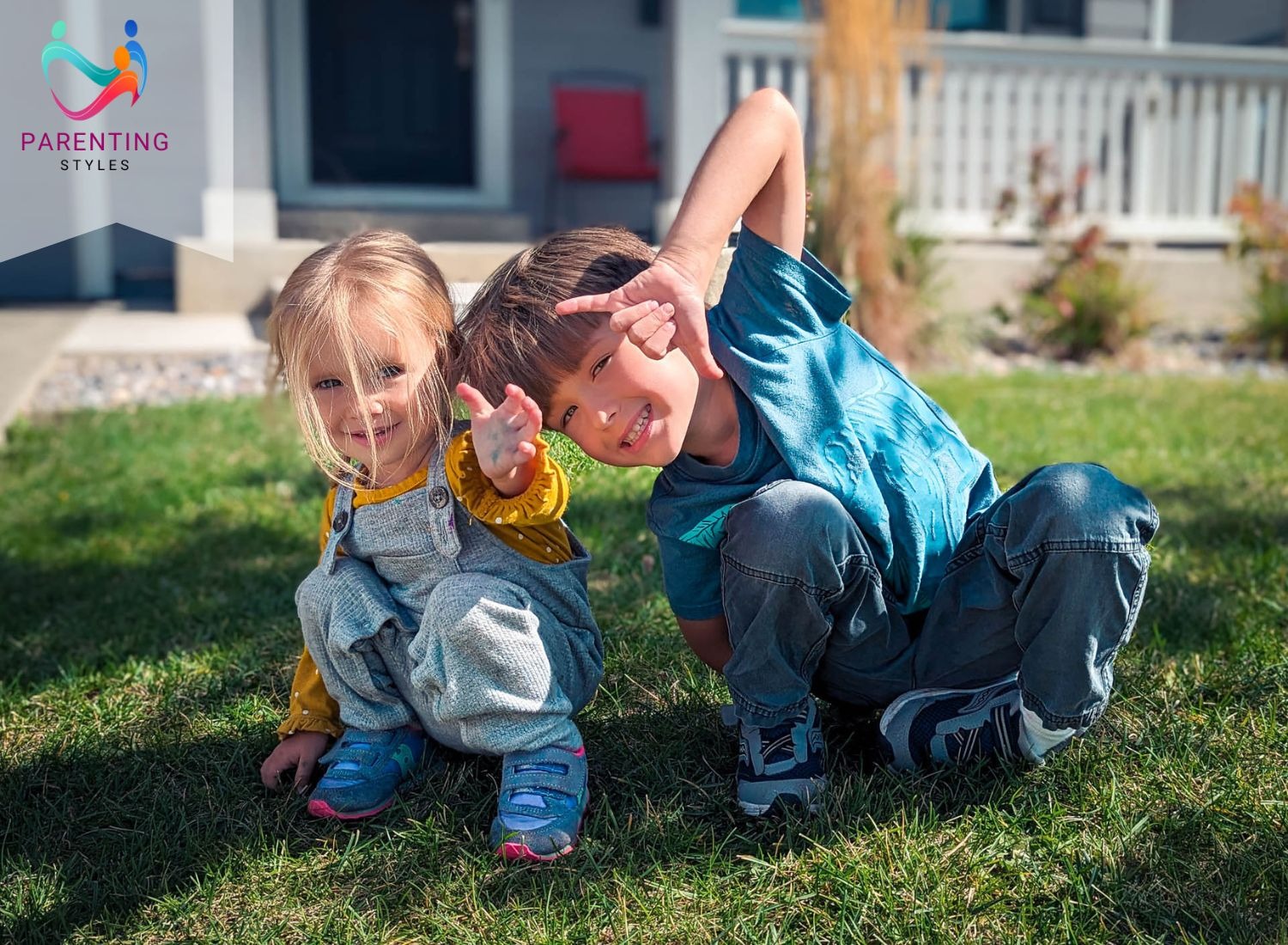
I still remember the first time I realized how powerful outdoor play could be for my toddler’s development. We had spent weeks doing indoor activities, and I noticed my little one becoming restless and cranky. The moment we stepped outside, everything changed. Fresh air, open space, and natural elements transformed my tired toddler into an energetic explorer.
Over the years, I have discovered that outdoor activities for toddlers are not just about keeping kids busy. They are essential for physical health, cognitive growth, and emotional well-being. Whether you have a spacious backyard or just a small patio, I have learned that simple outdoor experiences create powerful learning moments.
Why Outdoor Play Matters for Toddlers
Outdoor play helps toddlers build strong muscles, coordination, and overall physical fitness.
Physical Development and Motor Skills
I have found that outdoor play naturally encourages physical development in ways indoor activities simply cannot match. When toddlers move outside, they have space to run, jump, climb, and explore without bumping into furniture. According to the Centers for Disease Control and Prevention, active play helps children develop strong bones and muscles while maintaining a healthy weight.
In my experience, outdoor activities for toddlers build both fine motor skills and gross motor abilities. Simple actions like picking up leaves strengthen hand muscles, while running across the grass develops coordination and balance.
Cognitive Growth and Learning
Nature provides endless opportunities for problem-solving, observation, and critical thinking. When a toddler examines a bug, sorts rocks by size, or figures out how to stack sticks, their brain is actively processing new information.
Educational activities for toddlers work best when they feel like play. I have seen children spend 30 minutes investigating ants, asking questions, and forming theories about how ant colonies work. This natural curiosity drives learning far better than any flashcard ever could.
Research from Raising Children Network shows that outdoor play supports language development, spatial awareness, and early math concepts. Counting flowers, describing textures, and comparing sizes all happen naturally during outdoor exploration.
Emotional Wellbeing and Mental Health
I cannot overstate how much outdoor time improves toddler moods and behavior. When my toddler spent too much time indoors, I noticed increased whining, tantrums, and restlessness. Just 20 minutes outside often resets the entire day.
Natural environments have a calming effect on young children. The sensory experiences of feeling grass, hearing birds, and watching clouds help toddlers process emotions and reduce stress. I have used outdoor time as a reset button countless times when indoor activities were not working.
Outdoor Activities for Toddlers by Age
Simple, age-friendly outdoor activities help toddlers learn new skills while staying active and engaged in nature.
Activities for 18-Month-Olds
Fun activities for an 18 month old focus on sensory exploration and basic movement. At this age, I have learned that simple is best. Toddlers at 18 months are developing walking skills and beginning to understand cause and effect.
Here are activities that work well
- Tummy time on a blanket outdoors to observe nature
- Crawling on grass to experience different textures
- Collecting leaves and examining them closely
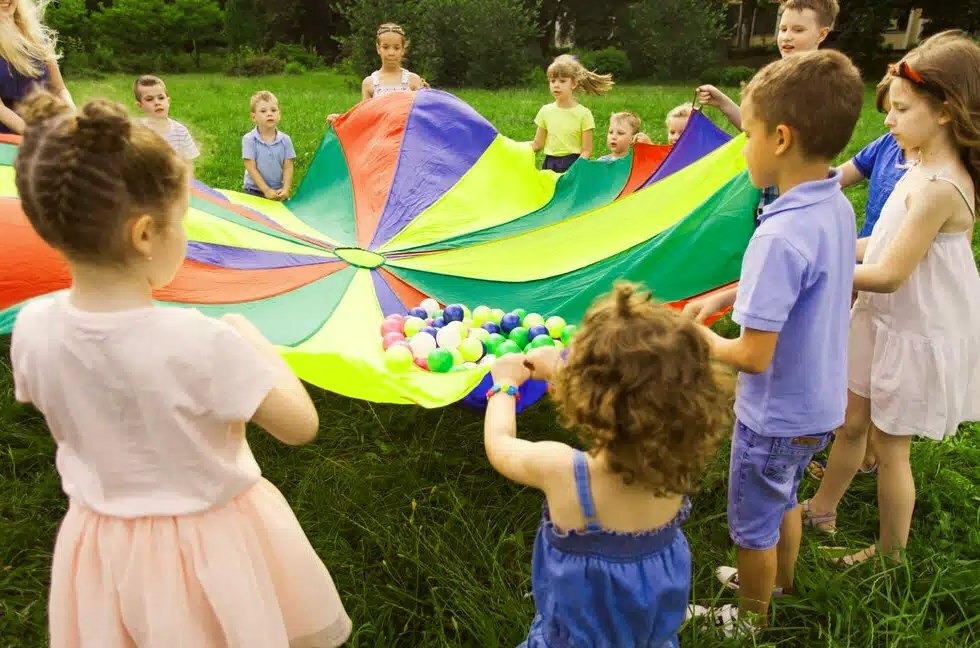
- Filling and dumping containers with sand or dirt
- Watching birds and pointing at trees
I have found that 18-month-olds do not need elaborate setups. They find wonder in the simplest outdoor experiences. A bucket of water and some cups can provide 20 minutes of focused play.
Fun Activities for 2 to 3 Year Olds
Activities for 2- to 3-year-olds can be more complex because these toddlers have better coordination and longer attention spans. I have discovered that this age group loves activities with clear purposes, like treasure hunts or building projects.
Toddlers in this age range enjoy
- Throwing and catching balls with adults
- Running obstacle courses with simple challenges
- Painting with water on sidewalks
- Playing in sand and building basic structures
- Collecting rocks and sorting them by size
In my experience, 2- to 3-year-olds thrive on repetition with slight variations. They want to climb the same tree every day, but might try different branches. This combination of familiarity and novelty supports their development perfectly.
Home Activities for 3 Year Olds
Home activities for 3-year-olds can incorporate more imagination and early learning concepts. At three, children understand pretend play, follow multi-step directions, and show interest in how things work. I have seen this age group spend hours creating elaborate outdoor scenarios.
Engaging activities include
- Setting up outdoor picnics with stuffed animals
- Creating chalk obstacle courses with rules
- Planting seeds and watering a small garden
- Building elaborate sand castles with tools
- Playing simple ball games with basic rules
Three-year-olds also start enjoying social play with siblings or friends. I have watched my three-year-old transform simple activities into complex games by adding imaginative elements and inviting others to join.
Simple Outdoor Learning Activities for Toddlers
Easy outdoor activities help toddlers learn through play, exploration, and hands-on experiences in nature.
Nature-Based Learning Activities
Nature-based learning activities for toddlers turn your backyard into a living classroom. I have found that toddlers learn best when they can touch, observe, and interact with real objects. Nature provides unlimited teaching materials completely free.
Start with these simple approaches
- Collect insects in a bug catcher and observe their movements
- Find different types of leaves and compare their shapes
- Search for caterpillars and discuss how they become butterflies
- Stack rocks and explore balance and gravity
- Watch ants and follow their trails
What makes outdoor learning activities for toddlers so effective is their hands-on nature. Reading about butterflies in a book is nice, but watching a real caterpillar creates lasting memories and deeper understanding. I have seen toddlers recall outdoor observations months later.
Sensory Play Activities for Preschoolers
Sensory activity for preschool-age children helps develop neural pathways and supports learning across all areas. Outdoor environments naturally provide rich sensory experiences that engage all five senses simultaneously. I have watched toddlers become completely absorbed in sensory exploration outdoors.
Effective sensory activities include
- Walking barefoot on grass, sand, and smooth stones
- Playing with mud and water mixtures
- Listening to wind chimes and bird songs
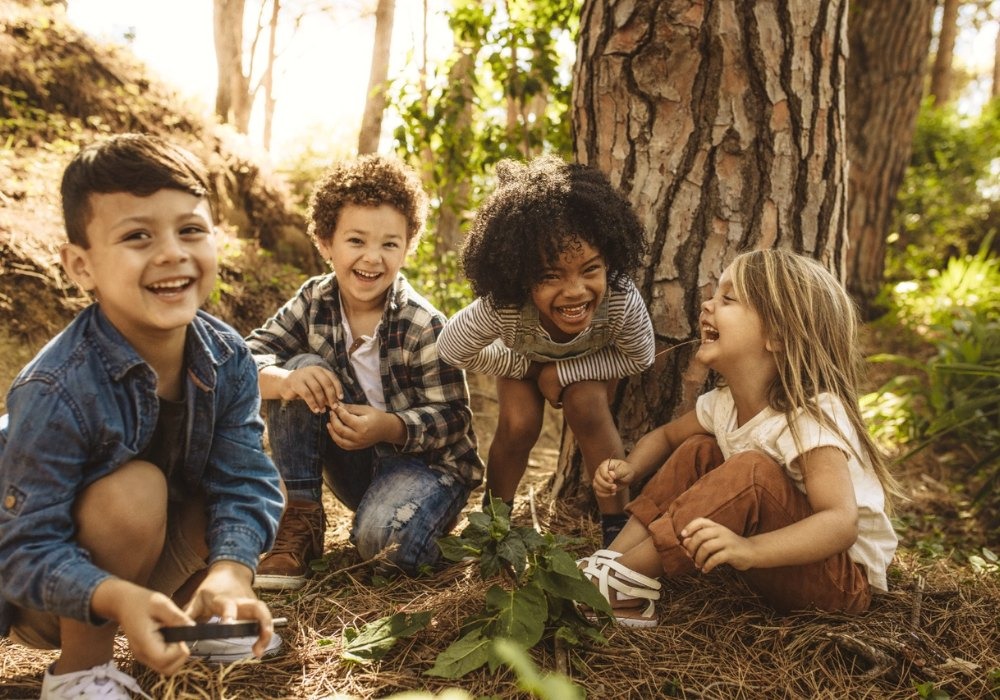
- Smelling flowers and herbs in a garden
- Feeling tree bark and smooth river rocks
In my experience, sensory play activities calm overstimulated toddlers while engaging bored ones. The combination of textures, temperatures, and natural smells creates a balanced sensory diet that indoor play rarely provides.
Water Play Activities for Toddlers
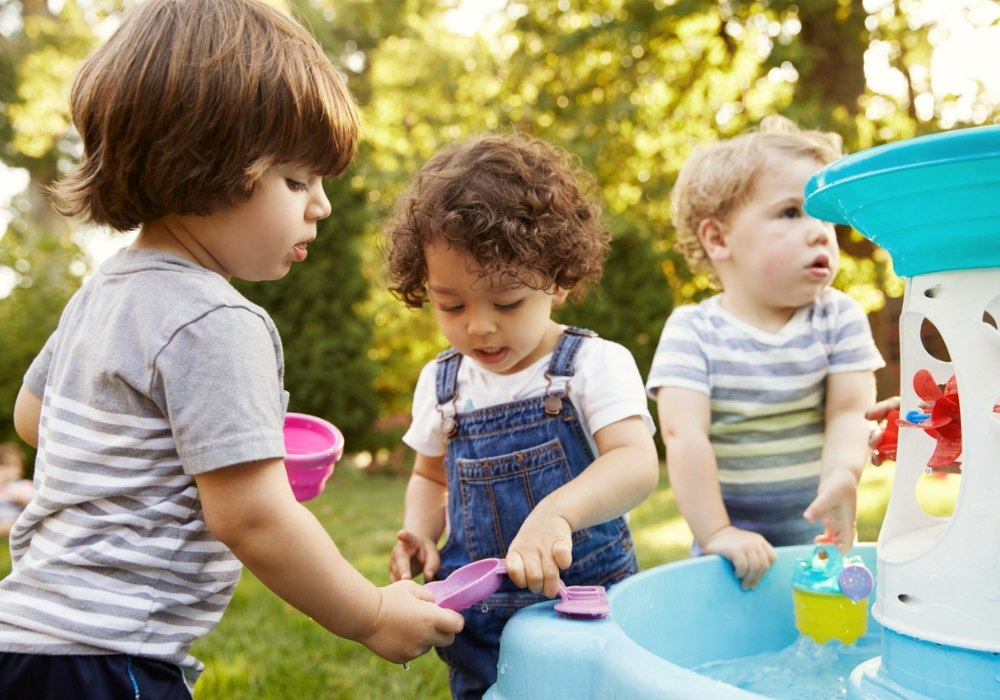
Water play activities for toddlers are incredibly versatile and engaging. I have never met a toddler who did not love playing with water outdoors. These activities cool kids down on hot days while building fine motor skills and teaching basic science concepts.
Try these water play ideas
- Fill buckets with water and provide cups for pouring
- Set up a sprinkler for running through
- Create a water table with funnels and sponges
- Have water balloon tosses with gentle throws
- Paint with water on the pavement and watch it evaporate
Water play activities for preschoolers can incorporate more complex concepts like sinking and floating or water volume comparisons. I always supervise water play closely to prevent drowning accidents, but the learning and fun are worth the extra attention.
Creative Outdoor Activities for Toddlers at Home
Fun and imaginative outdoor ideas help toddlers explore, play, and learn right in your own backyard.
Arts and Crafts for Toddlers Outside
Arts and crafts for toddlers work beautifully outdoors, where mess is less stressful. I have learned to embrace messy outdoor art projects that would make me nervous inside. The freedom to explore without worry about stained carpets unleashes creativity.
Outdoor art activities include
- Painting rocks with washable paints
- Creating nature collages with leaves and flowers
- Making mud pies with natural decorations
- Finger painting on large paper sheets
- Building sculptures from sticks and clay
Art activities for preschoolers can incorporate more detailed work, like painting flower pots or creating leaf prints. The natural light outdoors also helps toddlers see colors more accurately than indoor lighting allows.
Chalk Games and Sidewalk Art
Chalk games transform ordinary driveways and sidewalks into creative spaces. I have found that sidewalk chalk is one of the most versatile and affordable outdoor activity tools. A single box of chalk provides hours of entertainment and learning.
Popular chalk activities
- Drawing hopscotch grids for jumping games
- Creating obstacle courses with shapes to follow
- Practicing letters and numbers in large formats
- Tracing shadows at different times of day
- Drawing roads for riding bikes and toy cars
In my experience, chalk games naturally incorporate learning activities for kids without feeling like lessons. When my toddler draws circles and squares, he practices shapes. When he follows chalk paths, he builds coordination and direction-following skills.
Sand Games and Building Activities
Sand games offer incredible opportunities for creative play and skill development. Whether you have a sandbox or visit a beach, sand provides a perfect medium for open-ended exploration. I have watched toddlers spend entire afternoons building, digging, and creating in sand.
Engaging sand activities include
- Building sand castles with buckets and molds
- Digging for buried treasures
- Creating roads and towns for toy vehicles
- Mixing sand with water to explore consistency
- Using kitchen tools to scoop and measure
Building sand castles specifically teaches patience, planning, and problem-solving. I have seen toddlers work through frustration when their towers collapse, then try new approaches to make them stronger.
Physical Activities and Motor Skills Development
Outdoor play strengthens toddlers’ muscles, balance, and coordination to support healthy motor skill development.
Fine Motor Activities for Preschoolers
Fine motor skills activities for preschoolers strengthen the small muscles in hands and fingers that will later support writing and self-care tasks. Outdoor environments provide natural opportunities to build these skills through play. I have noticed significant improvements in hand strength when toddlers spend regular time outdoors.
Effective fine motor activities include
- Picking up small objects like pebbles or seeds
- Squeezing sponges during water play
- Using tongs to collect nature items
- Threading leaves onto sticks
- Painting with small brushes
Activities for preschool fine motor skills do not require special equipment. Natural materials work perfectly. I have found that when toddlers use tweezers to catch bugs or pinch clothespins onto a line, they build the same muscles as with expensive fine motor toys.
Gross Motor Skills Through Outdoor Play
Gross motor activities develop large muscle groups and overall coordination. Outdoor play naturally encourages movements that build strength, balance, and agility. I have seen dramatic improvements in toddler coordination after just a few weeks of daily outdoor play.
Key gross motor activities
- Running across open grass spaces
- Jumping over logs or into leaf piles
- Climbing trees or playground equipment
- Balancing on low walls or beams
- Rolling down gentle hills
These movements happen naturally during outdoor play. I rarely need to direct gross motor activities because toddlers instinctively run, jump, and climb when given space and freedom to move.
Ball Games and Playing Ball Activities
Ball play introduces toddlers to sports concepts while building coordination and spatial awareness. I have found that simple ball games work better than complex sports at this age. Playing ball outdoors gives toddlers room to chase, throw, and kick without breaking anything.
Simple ball activities include
- Rolling balls back and forth
- Throwing balls at targets or into buckets
- Kicking balls toward goals
- Catching beach balls or soft balls
- Playing simple keep-away games
Ball game variations teach turn-taking, cooperation, and persistence. When my toddler misses a catch, he learns to try again. When he successfully kicks a ball toward a target, he experiences achievement and builds confidence.
Backyard Activities for Toddlers
Simple backyard play helps toddlers stay active, explore nature, and enjoy fun learning experiences at home.
Water Games and Water Balloon Fun
Water games provide refreshing entertainment during warm weather while building various skills. Water balloon activities add excitement to standard water play. I have hosted many successful backyard play sessions centered around water games that kept toddlers engaged for hours.
Popular water games include
- Water balloon tosses between partners
- Target practice: throwing balloons at buckets
- Gentle water balloon fights on hot days
- Filling and tying balloons for color sorting
- Water relay races with cups
Outdoor water games cool down overheated toddlers while teaching concepts like trajectory, force, and cooperation. I always fill extra water balloons because toddlers love the satisfying pop when balloons burst.
Tummy Time Activities Outdoors
Tummy time activity outdoors works wonderfully for younger babies and crawling toddlers. The interesting outdoor environment motivates babies to lift their heads and look around. I discovered that babies who resisted tummy time indoors often enjoyed it outside.
Outdoor tummy time ideas
- Placing babies on blankets to observe trees
- Positioning them to watch older siblings play
- Offering natural objects to reach for during tummy time
- Moving them to shaded grass for texture exposure
- Using outdoor sounds to encourage head turning
Tummy time game to play outdoors can include placing colorful toys just out of reach or having family members call to baby from different directions. These activities build neck and shoulder strength while making tummy time more enjoyable.
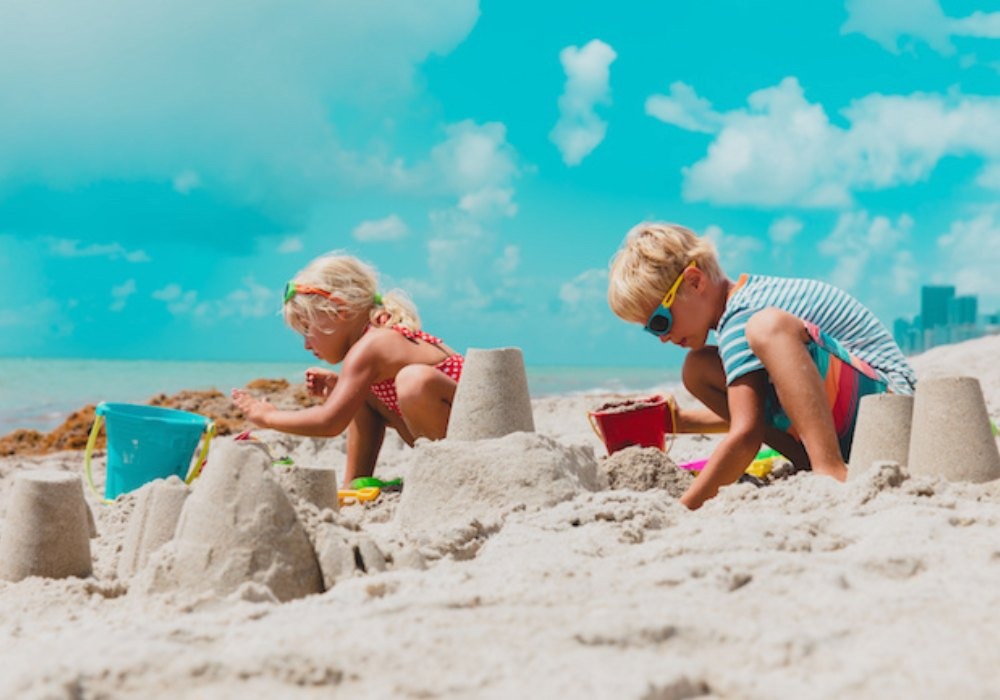
Building Sand Castles and Sand Play
Building sand castles combines creativity, engineering, and sensory play. Sand play activities teach toddlers about texture, volume, and structural stability. I have never seen a toddler who did not enjoy digging and building in sand.
Sand play variations include
- Using buckets and molds to create shapes
- Digging deep holes and tunnels
- Building moats and filling them with water
- Creating sand roads for toy cars
- Decorating sand structures with shells and rocks
Sandcastle building specifically encourages patience and planning. Toddlers learn that wet sand holds shapes better than dry sand. They discover that gentle packing creates stronger structures than rough handling.
Easy Outdoor Activities for Kids at Home
Quick and simple outdoor ideas keep kids active, entertained, and learning right outside their home.
Collecting Insects and Bug Observation
Collecting insects’ activities turns ordinary backyards into exciting scientific expeditions. I have found that most toddlers are naturally fascinated by bugs and will happily spend extended time observing them. This activity requires nothing more than curiosity and a container.
Bug collecting activities include
- Searching for different insect types
- Using magnifying glasses for close observation
- Catching and releasing butterflies with nets
- Following ant trails to their colonies
- Looking for ladybugs on plants
Bug observation teaches patience, gentle handling, and respect for living creatures. I always remind toddlers to be careful with insects and release them after a short observation period.
Play-Based Learning Activities for Kids
Play-based learning activities for kids recognize that toddlers learn most effectively through active engagement rather than passive instruction. Outdoor play naturally incorporates learning across multiple domains simultaneously. I have seen more learning happen during outdoor play than during structured indoor lessons.
Effective play-based activities
- Pretend camping with tents and sleeping bags
- Creating outdoor restaurants with mud pie menus
- Building fairy houses from natural materials
- Playing store with collected natural items
- Organizing outdoor concerts with homemade instruments
These activities for kids at home turn everyday outdoor spaces into imaginative worlds. Learning happens naturally as toddlers count pretend money, sort materials by type, and communicate with play partners.
Outdoor Playset and Playground Activities
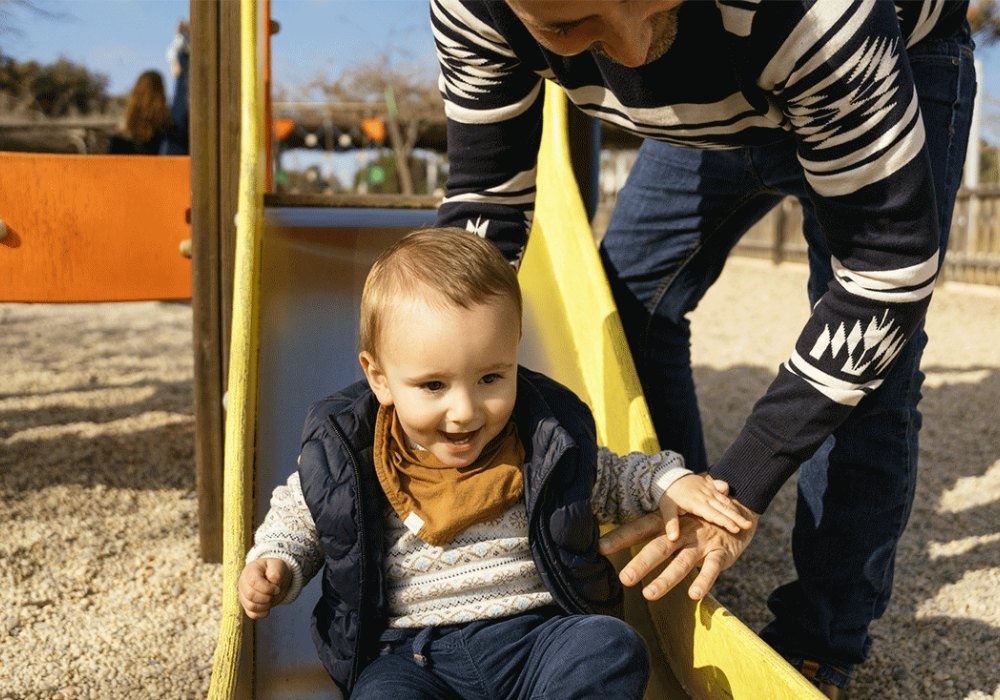
Outdoor playset equipment and playground activities provide structured opportunities for physical challenge and social interaction. Many outdoor playgrounds offer swings, slides, and climbing structures. I have found that regular playground visits support physical development while offering social learning opportunities.
Playground activities include
- Swinging to build core strength and rhythm
- Climbing structures to develop problem-solving
- Sliding to experience speed and spatial awareness
- Playing in sand areas beneath equipment
- Interacting with other children during play
Outside play park visits also expose toddlers to different equipment configurations and challenges. Each playground offers unique learning opportunities that complement backyard activities for toddler development.
Educational Activities for Toddlers Outside
Outdoor learning activities help toddlers build early skills through exploration, observation, and hands-on play.
Outdoor Learning Activities for Development
Outdoor learning activities for toddlers support development across physical, cognitive, social, and emotional domains. I have discovered that the best educational activities feel like play rather than lessons. When learning is fun, toddlers engage more deeply and retain information longer.
Development-focused activities include
- Counting steps while walking
- Naming colors of flowers and leaves
- Measuring stick lengths by comparison
- Sorting natural objects by attributes
- Creating patterns with rocks and leaves
Growth for kids happens naturally during these activities. Toddlers practice emerging skills repeatedly through play without realizing they are learning. I point out educational elements casually rather than turning play into formal instruction.
Teaching Skills Through Outdoor Play
Toddlers’ skills develop rapidly during outdoor play because nature provides authentic contexts for learning. Real-world problem-solving happens when toddlers figure out how to reach high branches or transport water without spilling. I have watched toddlers persist through challenges outdoors longer than they would indoors.
Skills developed through outdoor play
- Problem-solving through trial and error
- Communication by describing observations
- Cooperation during group activities
- Risk assessment when climbing or jumping
- Emotional regulation in calming natural settings
Toddler learning skills improve most when adults allow appropriate risk-taking. I let my toddler climb trees under supervision rather than preventing all challenges. This approach builds both physical skills and confidence.
Problem-Solving and Exploration Activities
Children’s outside play naturally creates problem-solving situations that strengthen critical thinking. When toddlers want to stack rocks, but they keep falling, they must analyze the problem and try different solutions. I have seen toddlers develop impressive persistence during outdoor challenges.
Problem-solving activities include
- Building structures that stay standing
- Creating water channels that flow correctly
- Catching insects without hurting them
- Finding hidden objects during scavenger hunts
- Figuring out how to reach the desired items
Well-being for kids improves when they successfully solve problems independently. The sense of accomplishment after overcoming a challenge builds self-esteem and encourages future attempts at difficult tasks.
What are the best outdoor activities for toddlers on rainy days?
Puddle jumping, collecting rainwater, and observing how rain changes the environment make excellent rainy-day outdoor activities for toddlers.
How long should toddlers play outside each day?
Toddlers benefit from several outdoor play sessions totaling at least 60 to 180 minutes daily, according to physical activity guidelines.
What safety precautions should I take for outdoor activities for toddlers?
Always supervise water play closely, check play areas for hazards, apply sunscreen, and ensure climbing activities match your toddler’s abilities.
Can outdoor activities for toddlers really improve development?
Yes, outdoor play supports physical health, cognitive growth, emotional regulation, and social skills through natural, engaging experiences.
Conclusion
Outdoor activities for toddlers provide essential experiences that support healthy development across all areas. I have seen firsthand how regular outdoor play transforms toddlers into confident, curious learners.
The activities I shared require minimal preparation and expense while delivering maximum developmental benefits. From simple nature walks to elaborate backyard adventures, outdoor play offers something valuable for every toddler.
Start with activities that match your child’s interests and abilities, then gradually introduce new challenges. Remember that the goal is engagement and enjoyment rather than perfection. When toddlers spend time outdoors regularly, they build strong bodies, sharp minds, and resilient spirits that serve them throughout life.