
Growing up with a toxic mom changes everything about how you see yourself and the world. I spent years thinking something was fundamentally broken in me before I realized the problem was not mine to carry. The journey from that realization to actual healing has taught me more about resilience, boundaries, and self-compassion than any other experience in my life.
What Is a Toxic Mother
A toxic mother is not simply someone who made mistakes or had bad days. I have learned that toxic mothering involves consistent patterns of behavior that harm a child’s emotional, mental, or physical well-being. These mothers use manipulation, control, and emotional abuse as regular tools in their parenting arsenal.
In my experience, toxic moms create environments where children feel unsafe, unworthy, or constantly on edge. The damage is not from occasional anger or frustration but from the relentless nature of their harmful behaviors. According to research from the U.S. Department of Health and Human Services, prolonged exposure to such environments can cause lasting developmental harm.
How Toxic Moms Differ from Imperfect Parents
Here is what I discovered: every parent makes mistakes, but not every parent is toxic. The difference lies in accountability and patterns. An imperfect parent apologizes when they hurt you. A toxic mom denies, deflects, or blames you for her behavior.
I have found that healthy parents adjust their approach when something is not working. Toxic parents double down. They refuse to see their children as separate individuals with valid feelings and needs. This fundamental lack of empathy separates difficult parenting from genuinely toxic mothering.
Signs You Have a Toxic Mom
Lacks Empathy and Emotional Support
The absence of empathy in a toxic mother is devastating. I remember sharing my struggles and receiving criticism instead of comfort. A mom who lacks empathy cannot truly see you as a person with legitimate feelings. She views your emotions as inconvenient or as manipulations against her.
In my observation, this emotional void leaves children feeling fundamentally alone even when surrounded by family. You learn early that your pain does not matter, which shapes how you relate to others for decades.
Uses Manipulation and Guilt Tripping
Guilt tripping became such a normal part of my childhood that I did not recognize it as manipulation until adulthood. The guilt trip’s meaning is simple: making someone feel responsible for your unhappiness to control their behavior. My toxic mom was an expert at this.
She would say things like “After everything I have done for you” or “I guess my feelings do not matter.” These statements were not expressions of hurt but calculated moves to maintain control. TheAmerican Psychological Association recognizes emotional manipulation as a form of psychological abuse that can severely impact a child’s mental health.
Plays the Victim to Control Child
Playing the victim is perhaps the most insidious toxic behavior I have encountered. No matter what happens, a toxic mom positions herself as the injured party. You could be the one who was hurt, but somehow the conversation ends with you comforting her.
I have seen this pattern destroy countless relationships. The child learns that their needs always come second. This dynamic trains you to minimize your own pain and prioritize the emotional needs of others, setting you up for toxic relationships throughout life.
Refuses to Respect Boundaries
A controlling mother views boundaries as personal attacks. When I first tried to set limits with my toxic mom, she responded with rage, tears, and accusations of abandonment. She would show up unannounced, demand access to my personal information, and treat my privacy as something she had a right to violate.
Boundary violations teach children that their autonomy does not matter. You grow up believing that saying no is cruel and that protecting yourself is selfish. This belief system makes you vulnerable to manipulative people throughout your life.
Makes Excessive Demands and Expectations
The demands from a toxic mom are never-ending and often impossible to meet. I found myself constantly trying to earn love that should have been given freely. Nothing was ever good enough. Every achievement was diminished, and every attempt to please resulted in moved goalposts.
This creates what researchers call toxic stress, where the body remains in a constant state of alert. TheCenters for Disease Control and Prevention notes that toxic stress in childhood can alter brain development and increase risk for chronic health conditions later in life.
The Impact of a Toxic Mother on Child Mental Health
Effects on Child Health and Development
The impact of toxic mothering extends far beyond hurt feelings. I have witnessed how it shapes every aspect of child health and development. Children in these environments often struggle with anxiety, depression, and difficulty regulating emotions.
In my experience, the damage shows up in unexpected ways. Some children become people-pleasers, unable to identify their own needs. Others develop oppositional behaviors as their only form of self-protection. The child’s mental health consequences are profound and long-lasting.
Long-Term Consequences in Adulthood
Here is what nobody tells you: the effects of a toxic mom do not magically disappear when you turn 18. I carried my childhood wounds into every relationship, every job, every decision I made. Adults raised by toxic parents often struggle with trust, self-worth, and relationship patterns.

Research fromChild Welfare Information Gateway shows that adults who experienced childhood trauma have higher rates of substance abuse, mental health disorders, and physical health problems. The body truly does keep the score.
C-PTSD and Toxic Stress from Toxic Parents
I was shocked to learn that many children of toxic moms develop Complex Post-Traumatic Stress Disorder. Unlike PTSD from a single event, C-PTSD results from prolonged exposure to inescapable stress. Living with a toxic mother qualifies.
The symptoms include emotional flashbacks, difficulty with relationships, chronic shame, and problems with emotional regulation. I have found that recognizing C-PTSD was the first step toward proper treatment. Traditional therapy approaches often fall short because they do not address the developmental trauma component.
Understanding Different Parenting Styles
Authoritarian Parenting vs. Emotionally Immature Parents
The field of parenting styles psychology helps explain why some mothers become toxic. Authoritarian parenting involves strict rules and high demands with little warmth or flexibility. While not always toxic, this style can become harmful when combined with emotional immaturity.
An emotionally immature parent cannot regulate their own feelings, let alone help a child with theirs. I have observed that toxic moms often exhibit extreme emotional immaturity, responding to stress with tantrums, blame, or withdrawal.
How Controlling Mother Behavior Affects Children
A controlling mother micromanages every aspect of her child’s life. In my experience, this goes beyond normal parental guidance into territory where the child has no autonomy. She dictates clothing choices, career paths, friend selections, and even emotional responses.
This level of control prevents children from developing their own identity. You grow up not knowing who you are outside of what your mother wants you to be. The National Institute of Mental Health recognizes excessive parental control as a risk factor for anxiety and depression in children.
The Psychology Behind Toxic Parenting Styles
I have spent years trying to understand what creates a toxic mom. Often, these women are dealing with unresolved trauma, personality disorders like narcissistic traits, or severe mental health issues that they refuse to address. Understanding this does not excuse the behavior, but it provides context.
Different parenting styles exist on a spectrum from neglectful parenting to authoritative parenting style, which experts consider the healthiest. Toxic mothering often combines the worst elements: the emotional neglect of permissive parenting with the harsh control of authoritarian parenting.
Dealing with Toxic Family Members
When Your Toxic Family Includes More Than Mom
Toxic family systems rarely involve just one person. I have found that toxic moms often create environments where other family members enable or mirror their behavior. A toxic sibling might compete for the mother’s attention by putting you down. Extended toxic family members might deny your experiences or pressure you to maintain contact.
The dysfunction spreads like a virus through the family structure. Everyone learns to play their assigned role, and anyone who challenges the system faces punishment or exclusion.
Managing Relationships with Toxic Siblings and Relatives
Navigating a toxic family means making difficult choices about multiple relationships. I learned that setting boundaries with one toxic family member often reveals who else in the family prioritizes the abuser’s comfort over your safety.
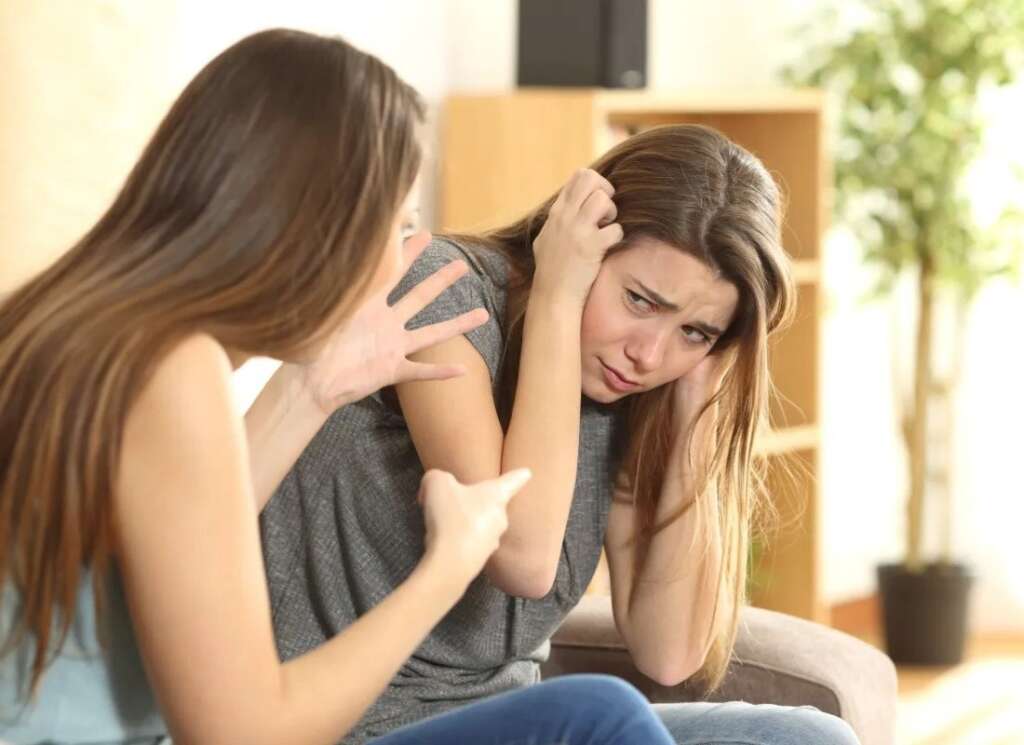
Some siblings remain loyal to toxic parents because acknowledging the abuse would require them to face their own pain. Others become flying monkeys, reporting your activities back to your toxic mom or pressuring you to reconcile. These relationships require their own boundaries and sometimes their own endings.
The Challenge of Finding Common Ground
Well-meaning friends often suggest finding common ground with your toxic mom. This advice reveals a fundamental misunderstanding of toxic relationships. I have tried explaining this by asking people to replace “toxic mom” with “abusive boyfriend” in their suggestions.
Nobody would tell you to find common ground with someone who emotionally abuses you just because they are family. An abuser is an abuser, regardless of their relationship to you. TheSubstance Abuse and Mental Health Services Administration recognizes family abuse as serious trauma requiring the same validation and support as other forms of abuse.
Setting Boundaries with a Toxic Mom
Establishing and Enforcing Healthy Limits
Learning to set boundaries with a toxic mom was the scariest and most necessary thing I have ever done. Boundaries are not punishments or manipulations. They are clear statements about what you will and will not accept.
Types of Boundaries with Toxic Mothers
| Boundary Type | Example | Purpose |
| Communication | Limiting phone calls to once weekly | Protects your mental energy and time |
| Physical | No unannounced visits to your home | Maintains your personal space and autonomy |
| Emotional | Ending conversations when yelling starts | Prevents verbal abuse and emotional manipulation |
| Financial | Refusing money with strings attached | Eliminates control through financial dependence |
| Topic | Certain subjects are off-limits | Protects vulnerable areas of your life |
I have found that establishing boundaries is only half the battle. Enforcing them requires consistency that feels almost impossible at first. Your toxic mom will test every boundary repeatedly. She will cry, rage, guilt-trip, and play the victim. Standing firm despite this onslaught is how you reclaim your life.
How to Handle Guilt Trip Tactics
The guilt trip is the primary weapon in a toxic mother’s arsenal. I still feel the pull of guilt when I enforce boundaries, even though I know intellectually that I am not responsible for her feelings. This is the power of childhood conditioning.
Here is what I discovered about handling guilt trips: you cannot reason with them. Explaining yourself only provides ammunition for further manipulation. The most effective response is a simple statement followed by action. “I understand you are upset. I need to go now.” Then actually go.
Deciding Between Low Contact and No Contact
The decision to cut off family or go low contact is deeply personal and often agonizing. I struggled with this choice for years, cycling between hope that things would improve and despair when they did not. In my experience, this decision requires an honest assessment of whether the relationship causes more harm than benefit.
Low contact means limiting interactions to specific occasions or methods. You might see your toxic mom only on major holidays with other people present. No contact means complete cessation of communication. Both approaches are valid, and you can adjust based on your needs and circumstances.
Healing from a Toxic Mother
Therapy Options: EMDR and Trauma-Focused Treatment
Finding the right therapy made all the difference in my healing journey. Traditional talk therapy helped, but I needed something more targeted for trauma. Eye Movement Desensitization and Reprocessing, known as EMDR, was transformative for me.
EMDR helps process traumatic memories so they no longer trigger the same emotional response. According to theAmerican Psychological Association, EMDR is effective for treating PTSD and trauma-related conditions. I also benefited from trauma-focused cognitive behavioral therapy, which addresses the distorted beliefs toxic parenting instills.
Art Journaling and Creative Processing
Not all healing happens in a therapist’s office. I discovered that art journaling helped me process feelings I could not put into words. Creating visual representations of my experiences gave them form and made them feel less overwhelming.
I spent one rainy afternoon documenting all the lies my toxic mom told me about myself. “You are bad at math.” “You are too sensitive.” “Nobody will ever love you.” Writing them down and then countering each lie with evidence of my actual capabilities was incredibly powerful.
Building a Support System Beyond Toxic Family
One of the biggest fears I had about distancing from my toxic mom was ending up alone. The question “Who will be there for me in an emergency?” haunted me. Then I realized I was already alone when it mattered because she was never truly there for me anyway.
I deliberately built a chosen family of friends who show up consistently. These relationships deepened when I became vulnerable enough to ask for help. I learned that real support does not come with conditions or require you to manage someone else’s emotions.
When to Cut Off Family Ties
Recognizing When No Contact Is Necessary
Deciding to cut off family is not something anyone does lightly. I agonized over this choice for years before finally accepting that the relationship was destroying my mental health. In my experience, no contact becomes necessary when all attempts at boundaries fail and contact consistently retraumatizes you.

Signs that no contact might be appropriate include experiencing panic attacks before family events, requiring days to recover emotionally after interactions, or finding that your toxic mom actively sabotages your well-being. Some toxic people cannot or will not change, and protecting yourself becomes the only option.
Coping with the Decision to Distance Yourself
The grief that comes with estrangement is complex and often misunderstood. I grieve not for the toxic mom I actually had but for the mother I needed and never received. Society does not make space for this kind of loss. People expect you to reconcile because “she is your mother.”
I have found that grieving this relationship is not a passage but can become a prison if you let it. At some point, you must decide to trade grief for hope. This does not mean forgetting what happened or pretending it did not hurt. It means refusing to let your toxic mom steal your future the way she stole parts of your past.
Who to Call in an Emergency Without Toxic Parents
This question paralyzed me before I went no contact. What if I ended up in the hospital? Who would come? Here is what I learned: first responders do not ask about your mother. Nurses understand that families come in many forms. Friends are often more reliable than toxic family members ever were.
I created an emergency contact list that includes friends, my spouse, and even a kind neighbor. Any of these people would show up with compassion rather than drama. I pack a small bag for friends who need help, and they do the same for me. This is what a real family looks like.
Can a toxic mom change her behavior with therapy?
Change is possible but rare, as it requires the toxic mother to acknowledge her behavior and commit to sustained therapeutic work.
How do I protect my own children from my toxic mom?
Set firm boundaries about access and supervision, trust your instincts, and prioritize your children’s emotional safety over family expectations.
Is it normal to feel guilty about limiting contact with toxic parents?
Yes, guilt is a normal response due to childhood conditioning, but feeling guilty does not mean you are doing something wrong.
What is the difference between a difficult mother and a toxic mom?
A difficult mother can acknowledge mistakes and adjust behavior, while a toxic mom consistently refuses accountability and continues harmful patterns.
Conclusion
Living with or healing from a toxic mom represents one of life’s most challenging journeys, but recovery is absolutely possible with proper support and boundaries. I have learned that healing is not about reaching a destination where you are completely unaffected by your past, but about building a life where those experiences no longer control your present.
The combination of therapy, boundary-setting, and building chosen family creates space for genuine healing. Understanding that you are not alone in this experience and that your feelings are valid regardless of what your toxic mother told you is foundational to recovery.
While the grief may always exist in some form, it does not have to define you or prevent you from creating the loving, authentic life you deserve. Your past does not have to determine your future.