
I remember holding my first child and feeling completely unprepared. Nobody gave me a manual on how to be a great parent. However, what I discovered is that parenting is not about perfection. It is about showing up, learning, and growing with your children every single day.
Understanding What Makes Good Parenting
Good parenting looks different in every family. I have watched structured parents raise amazing kids, while my spontaneous friends also raise wonderful children. The secret? Authenticity.
When people ask me how I can be a good parent, I tell them the truth: there is no single formula. The best parenting style is the one that feels natural to you and that you can maintain consistently over time. Children thrive on consistency more than any specific method.
The Foundation of Effective Parenting
Be Authentic and True to Yourself
Early in my parenting journey, I tried following every expert’s advice. I switched between methods constantly, and my kids felt the inconsistency. Here is what changed everything: I stopped trying to be the perfect parent and started being myself.
Children thrive on consistency more than they thrive on any particular parenting method. Your parenting skills will always be strongest when they align with who you really are.
Why Authenticity Matters
- Children need predictability and consistency
- You can only maintain what feels natural long-term
- Authentic parenting reduces your stress and exhaustion
- Kids sense when you are being genuine versus following a script
- Consistency builds trust and security in children
A military parent might naturally create structure and discipline. An artist parent might emphasize creativity and emotional expression. Neither approach is wrong when applied consistently with love.
Build on Your Children’s Strengths
One of my biggest mistakes was focusing on fixing weaknesses instead of celebrating strengths. My daughter struggled with math but excelled at writing. I spent so much energy on tutors that I barely noticed her talent blooming.

Research from the University of Melbourne shows that identifying and nurturing children’s strengths builds resilience and reduces stress. Now I ask myself: what does this child naturally do well? How can I create opportunities for them to use these abilities?
How to Identify Your Child’s Strengths
- Observe what activities make them lose track of time
- Notice what they do easily that others find difficult
- Listen to what teachers and coaches compliment
- Watch what they choose to do during free time
- Pay attention to the topics they talk about most
When you focus on strengths, confidence grows. Children start seeing themselves as capable. And often, as they feel more confident in their strengths, they become more willing to work on their challenges.
Essential Skills Every Parent Needs
Make Time for Kids and Spend Family Time Together
Quality time does not require expensive outings or elaborate plans. My kids open up most during ordinary moments: walking to school, folding laundry together, those ten minutes before bedtime. Time for kids requires presence, not planning. When I check my phone during dinner, they feel it. When I am mentally planning tomorrow’s meeting while they tell me about their day, they know I am not really listening.
The parents I know who have the strongest relationships with their children share one quality: they protect family time fiercely. They have weekly traditions that everyone can count on. I started fifteen minutes of one-on-one time with each child before bed. No phones, no distractions. Just us. This small investment has strengthened our relationship more than anything else I have tried.
Simple Ways to Spend Family Time
- Weekly game night or movie night
- Sunday breakfast together
- Evening walks after dinner
- Bedtime reading ritual
- Weekend park visits
- Cooking meals together
- Car rides with intentional conversation
Research consistently shows that children who spend regular, focused time with their parents demonstrate better emotional health, stronger academic performance, and greater life satisfaction.
Talk with Your Children, Not at Them
I used to lecture constantly. My kids would make a mistake, and I would launch into a ten-minute explanation. Their eyes would glaze over. Nothing stuck. Then I learned to ask questions instead. How can you be a good parent in daily conversations? This question changed everything for me.
When my son came home with detention, instead of lecturing, I asked, “What happened?” Then I listened. Really listened. I asked more questions: “How do you feel about what happened?” “What do you think you could do differently next time?” This approach accomplishes several things. First, it calms me down. Second, it shows respect for my children’s perspective. Third, it helps them develop problem-solving skills.
Questions to Ask Instead of Lecturing
- What is going on?
- Is everything okay?
- Did anything happen today that upset you?
- What do you think needs to change?
- How do you feel about what you just did?
- What would you do differently next time?
Talking with children means having conversations, not delivering monologues. When I talk with my kids instead of at them, they share more, ask for advice when they need it, and actually listen to what I say.
Show Love in Ways Your Child Understands
I thought showing love meant the same thing for all my children. I would buy them gifts, hug them, and tell them I loved them. Then I noticed my middle child pulling away from my affection. She felt loved through quality time doing what she enjoyed, not physical touch. Understanding how your child receives love changes everything about how to be a better parent.
| Love Language | What It Looks Like | How to Show It |
| Words of Affirmation | Needs verbal encouragement | Say “I am proud of you” and “I love you” often |
| Physical Touch | Craves hugs and cuddles | Regular hugs, high-fives, sitting close |
| Quality Time | Wants your undivided attention | One-on-one activities, focused conversation |
| Acts of Service | Appreciates helpful actions | Pack their lunch, help with projects |
| Gifts | Values thoughtful presents | Small surprises, handwritten notes |
Pay attention to how your child expresses love to others. That often reveals how they want to receive it. When you show love in ways your child actually receives it, you are a good parent more effectively without working harder.
Positive Parenting Strategies That Work
Boost Your Child’s Self-Esteem Through Encouragement
Child self-esteem develops through repeated experiences of being seen, valued, and capable. I used to think praise built self-esteem, so I constantly told my kids they were smart, talented, and special. Then I noticed my daughter becoming anxious about maintaining her “smart kid” identity. She started avoiding challenges because she was afraid of not living up to that label.

I learned to encourage effort instead of praising inherent qualities. Instead of “You are so smart,” I started saying “I noticed how hard you worked on that project.” Instead of “You are a natural athlete,” I said, “Your practice is really paying off.”
What Actually Boosts Self-Esteem
- Acknowledging specific efforts and improvements
- Allowing them to solve problems independently
- Trusting them with age-appropriate responsibilities
- Listening to their opinions and ideas seriously
- Celebrating character moments, not just achievements
- Helping them set and reach realistic goals
I have seen my kids being good when they feel capable and valued. When I micromanage everything, they doubt themselves. When I step back and let them handle things, they rise to the challenge. The Centers for Disease Control and Prevention reports that positive childhood experiences, including receiving praise and having parents who listen, significantly impact long-term well-being.
Be Curious, Not Furious: Understanding Before Reacting
This single principle transformed how I handle difficult moments. When my teenager came home two hours past curfew, my first instinct was anger. How dare he worry me like that? But I remembered: be curious, not furious. So instead of yelling, I took a breath and asked, “What happened?”
He explained that his friend had a family emergency and was too upset to drive. My son stayed with him, helped him through it, and his phone had died. Was breaking curfew still wrong? Yes. But understanding the context completely changed the conversation we needed to have. How do I be a good parent when things go wrong? Often, it comes down to seeking understanding before reacting.
Benefits of Being Curious
- You gather complete information before deciding on consequences
- Your child feels heard and respected
- You model emotional regulation and problem-solving
- You strengthen your relationship even during discipline
- You learn what is really happening in your child’s life
- You respond from a place of love rather than anger
Kids rarely misbehave just to be difficult. Usually, something else is going on. They are stressed about school. They are dealing with friendship drama. They are testing boundaries. Sometimes they genuinely made a mistake without thinking through the consequences.
Discipline with Love and Fairness
Discipline is not punishment. This took me years to understand. Discipline is teaching. It is helping children learn how to make better choices, understand consequences, and develop self-control. The most effective discipline I have used follows clear principles that maintain the parent-child relationship while teaching important lessons.
Principles of Effective Parenting Through Discipline
- Stay calm and reasonable—never discipline in anger; take time to cool down first
- Make consequences fit the situation—The consequence should relate directly to the behavior
- Be consistent – Rules apply the same way regardless of your mood or circumstances
- Explain your reasoning—help children understand why rules exist
- Separate behavior from identity—”You made a bad choice” versus “You are bad.”
My daughter once lied about finishing her homework. My first impulse was to ground her for a month. But that would not teach honesty. Instead, she had to redo the assignment, show it to me, and we had a conversation about why honesty matters and how lying damages trust. The consequence is related directly to the behavior.
According to the American Academy of Pediatrics, effective discipline teaches children self-control and helps them develop into responsible adults. The best parenting I do is when my kids clearly understand: I love you completely, and I will not allow you to make choices that harm you or others. Both parts matter equally.
How to Be a Better Parent Every Day
Practice Gratitude and Celebrate Every Success
I keep a parenting journal where I write down one thing I am grateful for about each child every day. Some days it is easy: “Emma gave her brother half her cookie without being asked.” Other days it is harder: “Jack got out of bed on the third try instead of the usual fifth.” This practice changed my perspective entirely.
I used to focus on what my kids were doing wrong. Now I actively look for what they are doing right. And here is the remarkable thing: the more I notice and acknowledge good behavior, the more good behavior I see. How to be a better mom? Start noticing what your children do well.
Ways to Practice Gratitude in Parenting
- Keep a daily gratitude journal for each child
- Share one good thing at dinner each night
- Leave notes of appreciation in lunch boxes
- Verbally acknowledge small improvements
- Celebrate effort, not just results
- Take photos of positive moments to remember
We started a dinner table tradition where everyone shares one good thing from their day. It took weeks before this felt natural, but now it is our favorite part of the meal. Research shows that grateful people are happier, healthier, more optimistic, and have better relationships at school, work, and home.
Be Mindful and Present in the Moment
How can I be a better mom when my mind is always somewhere else? This question haunted me for years. I was physically present but mentally absent, thinking about work during family dinner, planning tomorrow while my daughter told me about her day. Mindfulness is simply paying attention to what is happening right now.
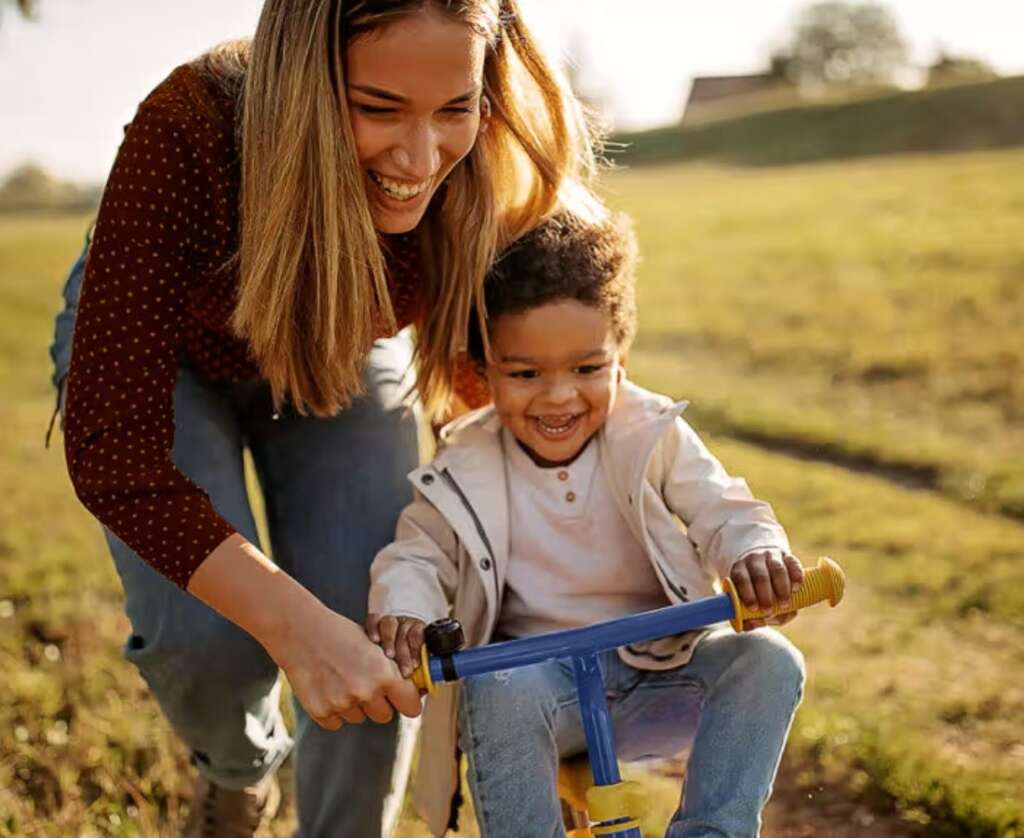
When my son is talking to me, I put down my phone and look at him. When we are playing a game, I let the laundry wait. When we are eating dinner together, I do not check my email. This sounds simple, but it is incredibly difficult in our distracted world.
Small Steps Toward Mindful Parenting
- Put phones away during meals
- Make eye contact during conversations
- Listen without planning your response
- Notice your child’s emotions and expressions
- Take three deep breaths before responding to misbehavior
- Create one phone-free activity daily
I started with one fully present activity each day. Maybe it is the drive to school with no radio. Maybe it is fifteen minutes of play where I follow my child’s lead completely. Maybe it is bedtime when I turn off all devices and just focus on this child. Those moments when I am truly present are when the real conversations happen.
Studies show that mindfulness reduces stress, improves emotional regulation, and strengthens relationships. But the real benefit is simpler: your children feel it when you are truly with them. They know the difference between physical presence and engaged attention.
Model the Behavior You Want to See
My children will do what I do, not what I say. I can lecture about kindness all day, but if they see me being rude to the grocery store clerk, that is what they learn. I can preach about healthy eating while I sneak cookies after they go to bed, but they notice the hypocrisy. How can I be a better mother? By becoming the person I want my children to become.
The best parenting advice I ever received was this: before you try to change your child’s behavior, look at your own. Are you modeling what you are asking them to do? I want my children to read, so I read in front of them. I want them to manage frustration well, so I work on managing my own temper. I want them to be honest, so I admit when I am wrong.
What Children Learn by Watching You
| Your Behavior | What They Learn |
| Admitting mistakes | It is okay to be imperfect |
| Apologizing sincerely | How to take responsibility |
| Managing anger well | Emotional regulation skills |
| Treating others kindly | Respect and empathy |
| Working hard | Value of effort and persistence |
| Reading regularly | Love of learning |
| Helping others | Compassion and service |
This does not mean being perfect. In fact, I think modeling imperfection might be even more valuable. When I make a mistake, and my kids see me apologize, they learn that mistakes are not catastrophic. When they see me struggle with something and keep trying, they learn persistence.
I have learned to narrate my thought process sometimes. “I am really frustrated right now, so I am going to take a few deep breaths before I respond.” “I made a mistake on this project. I feel disappointed, but I am going to figure out how to fix it.” This vulnerability teaches them more than any lecture could.
Breaking Negative Patterns to Be a Great Parent
Allow Children to Fail and Learn from Adversity
Every parent’s instinct is to protect their child from pain. I spent years trying to smooth every rough edge from my children’s lives. Bad grade? I emailed the teacher. Social conflict? I called the other parent. Forgotten homework? I drove it to school. Then I realized I was not helping them. I was preventing them from developing the skills they need to navigate life independently.
Failure is not the opposite of success. It is the path to success. Every successful person I know has failed repeatedly. The difference is that they learned from those failures instead of being protected from them. Parents often worry about letting children struggle, but struggle builds character.
Natural Consequences to Allow (When Safe)
- Forgot lunch? Experience being hungry until home
- Did not study? Get a lower grade
- Waited until the last minute? Feel stressed and rushed
- Lost a belonging? Feel the disappointment
- Broke a rule? Face the established consequence
- Did not practice? Perform poorly
Keep Your Promises and Admit Your Mistakes
Your word is your currency with your children. When you make a promise and keep it, you build trust. When you break promises, you damage the foundation of your relationship. I learned this lesson painfully.
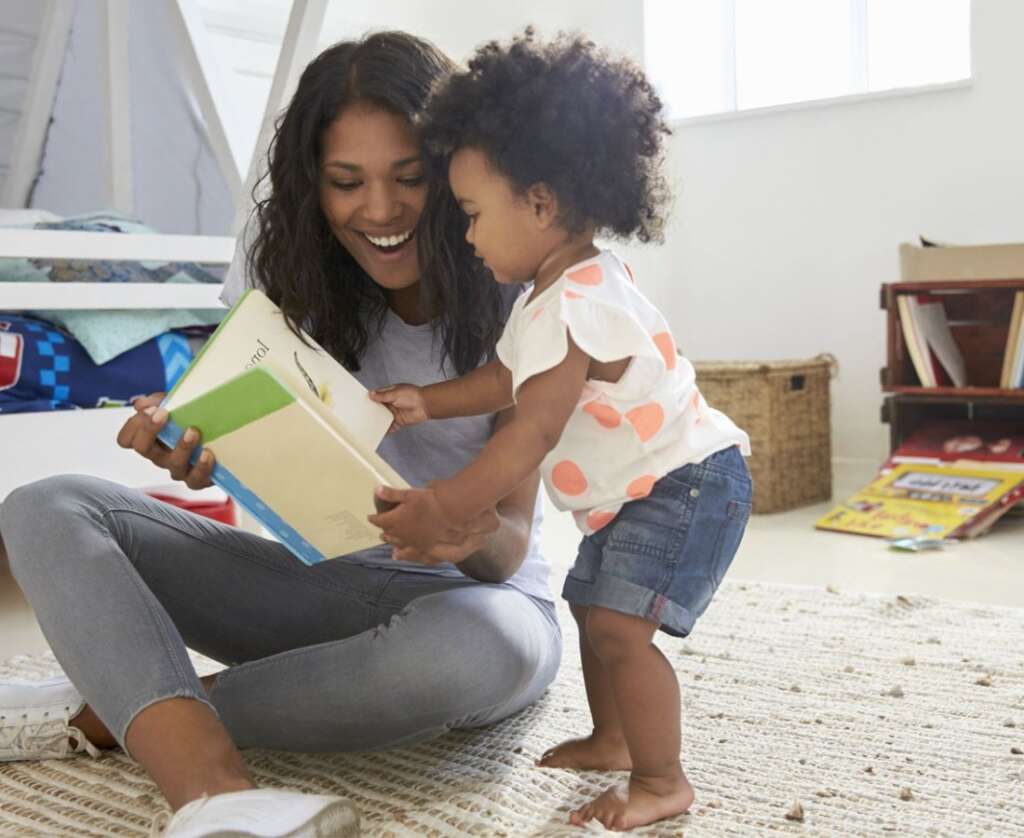
I used to make casual promises to my kids without thinking: “Sure, we will go to the park this weekend.” “Yes, I will help you with that project tomorrow.” Then life would happen, I would forget or get too busy, and I would break the promise without even realizing how much it mattered.
My daughter finally said to me, “You always say you will do things with me, but then you do not.” That hurt. But she was right. Now I am much more careful about what I promise.
How to Keep Your Word
- Say “I will try” instead of making definite promises
- Write down commitments in your calendar
- Check your schedule before committing
- Treat promises to children as seriously as work obligations
- If you must break a promise, apologize sincerely without excuses
- Never make threats you cannot follow through on
When I do break a promise despite my best intentions, I apologize sincerely without excuses. “I promised I would be at your game, and I was not there. I am sorry. I know that hurt you, and you deserved better.” No explanations about traffic or work emergencies. Just an acknowledgment that I failed to keep my word.
Admitting mistakes might be the most important parenting skill I have developed. When I am wrong, I say so. When I lose my temper and yell unfairly, I apologize. When I make a bad decision, I acknowledge it and explain what I learned. This teaches several crucial lessons.
What Children Learn When Parents Admit Mistakes
- Adults make mistakes, too, and that is normal
- How to take responsibility rather than making excuses
- Relationships can survive honest acknowledgment of failures
- Being wrong is not shameful; refusing to admit it is
- Apologies repair relationships and rebuild trust
I want my children to grow up knowing that being wrong is not shameful. What is shameful is refusing to admit it. I want them to have the courage to say “I was wrong” in their relationships and careers. The only way they learn this is by watching me do it consistently.
How can I be a better mother when I am struggling with my own issues?
Seek support through therapy or trusted friends, practice self-compassion, and remember that working on yourself is part of being a good parent to your children.
What is the most important thing for effective parenting?
Consistency and authentic love matter most because children thrive when they feel safe, valued, and know what to expect from their parents every day.
How much time should I spend with my children each day?
Quality matters more than quantity, but aim for at least 15-30 minutes of focused, undistracted one-on-one time with each child daily for best results.
How do I balance discipline with being loving and supportive?
Set clear boundaries with calm firmness while ensuring your child knows the discipline addresses their behavior, not their worth as a person or your love for them.
Conclusion
Learning how to be a great parent is a lifelong journey without a finish line. Be a great parent by showing up consistently, loving your children authentically, and being willing to grow alongside them through every challenge.
The best parenting comes from focusing on connection over perfection, understanding that your children’s strengths matter more than their weaknesses, and modeling the values you hope to instill in the next generation. Whether you are wondering how I can be a good parent or seeking ways to improve your parenting skills.
Remember this fundamental truth: your children do not need perfect parents to be happy and successful. They need parents who keep trying, who admit their mistakes honestly, who listen with genuine curiosity, and who love them unconditionally through every stage of their growth and development.