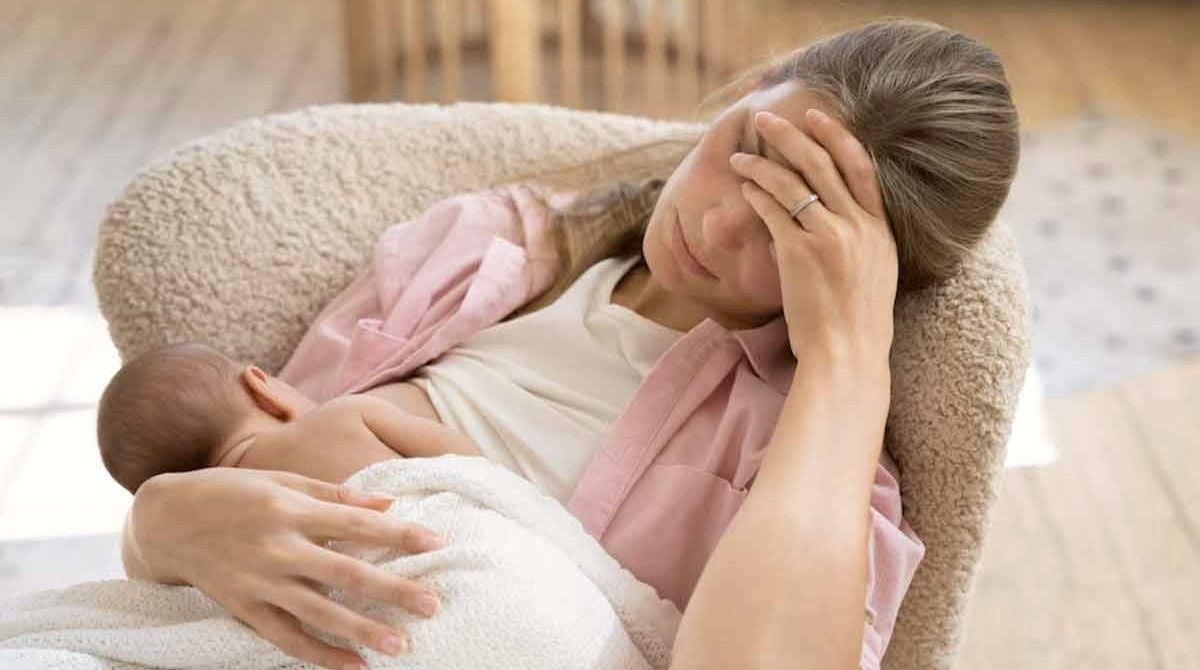
I remember holding my newborn for the first time and feeling this overwhelming wave of love mixed with absolute terror. What I did not know then was that the constant worry keeping me up at night was not just normal new mom jitters. It was postpartum anxiety, and I wish someone had told me sooner that what I was experiencing had a name and, more importantly, treatment options.
What Is Postpartum Anxiety?
Postpartum anxiety is a mental health condition that goes way beyond typical new-parent worries. It involves excessive, uncontrollable worry that affects your daily life after having a baby. According to the Cleveland Clinic, about 1 in 5 women experience postpartum anxiety, though the actual number might be higher since many of us do not talk about it.
How Postpartum Anxiety Differs from Baby Blues
The baby blues hit most new mothers within the first few days after birth. You feel weepy, overwhelmed, and emotional, but these feelings typically fade within two weeks. I experienced this myself and honestly thought that’s all there was to it.
But postpartum anxiety is different. It does not pass after a couple of weeks. Instead, the distressing thoughts intensify and stick around, making it difficult to function in your daily life. While baby blues are a mild hormonal adjustment, postpartum anxiety is a serious condition that requires proper treatment.
Postpartum Anxiety vs Postpartum Depression
Working with new mothers, there’s often confusion between postpartum depression and postpartum anxiety. Depression after birth typically involves persistent sadness, loss of interest in activities you once enjoyed, and feelings of hopelessness or guilt. You might feel disconnected from your baby or struggle with thoughts of worthlessness.
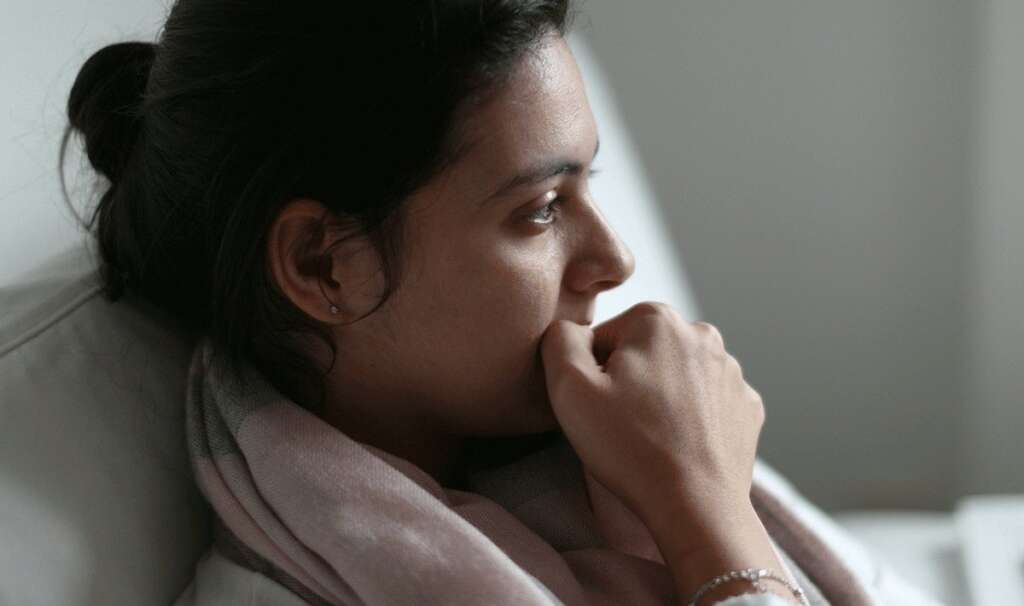
Postpartum anxiety, on the other hand, centers on excessive worry and fear. Your heart races, you can’t calm down, and you’re constantly on edge waiting for something terrible to happen. The National Institute of Mental Health notes that while these are distinct conditions, they share symptoms like poor sleep and irritability.
Postpartum Anxiety Symptoms
Recognizing postpartum anxiety symptoms early made all the difference in my recovery. The signs show up in three main ways: physical, emotional, and behavioral. What caught me off guard was how intensely my body reacted to the constant worry.
Physical Symptoms of Postpartum Anxiety
The physical toll of postpartum anxiety can be exhausting. I remember my heart constantly racing, even when I was sitting still. You might experience shortness of breath, feeling like you can’t get enough air into your lungs. Sleep becomes nearly impossible, even when your baby is sleeping, because your mind won’t shut off.
Other physical symptoms include:
- Nausea
- Stomach aches
- Muscle tension
- Feeling restless
- Unable to sit
Some new mothers experience heart palpitations so severe that they worry something is medically wrong. According to Harvard Health Publishing, these physical manifestations are your body’s response to constant stress and perceived danger.
Emotional and Behavioral Signs
The emotional symptoms hit differently. You feel on edge all the time, like you are waiting for disaster to strike. I could not focus on conversations because my mind was racing through worst-case scenarios.
Irritability becomes your default setting, and you might snap at your partner or family members over small things. Behaviorally, postpartum anxiety changes how you act. You might avoid certain places or activities that feel threatening.
Understanding Postpartum OCD
Postpartum OCD deserves special attention because it’s often misunderstood. This involves intrusive, unwanted thoughts about accidentally or intentionally harming your baby. These thoughts are terrifying and can include images of dropping the baby, drowning them during bath time, or other scary scenarios.

Treatment for postpartum OCD, including cognitive behavioral therapy and medication, is highly effective. The key is recognizing that these intrusive thoughts are symptoms of an anxiety disorder, not a reflection of who you are as a mother.
What Causes Postpartum Anxiety?
Understanding what causes postpartum anxiety helped me stop blaming myself. This is not about being weak or doing something wrong. There are real, physiological, and environmental factors at play that make some of us more vulnerable than others.
Hormonal Changes After Birth
The hormonal shifts after giving birth are absolutely massive. Your estrogen and progesterone levels, which were sky-high during pregnancy, plummet dramatically within hours of delivery. For some women, these hormonal changes affect mood regulation and stress response more intensely than others.
Hormones continue to fluctuate during postpartum recovery, especially if you are breastfeeding. When you eventually wean, another round of hormonal changes can trigger or worsen anxiety symptoms.
Risk Factors for Developing Postpartum Anxiety
Certain factors increase your likelihood of experiencing postpartum anxiety. Having a personal or family history of anxiety or depression tops the list. If you dealt with anxiety during pregnancy, you are at a higher risk for postpartum anxiety as well. Past trauma matters too. Previous pregnancy loss, stillbirth, or a traumatic birth experience can all contribute.
The Role of Sleep Deprivation and Stress
Sleep deprivation is no joke when it comes to mental health. Caring for a newborn often means you are functioning on broken sleep for weeks or months. Your body never gets the deep, restorative rest it needs to regulate stress hormones and maintain emotional balance.
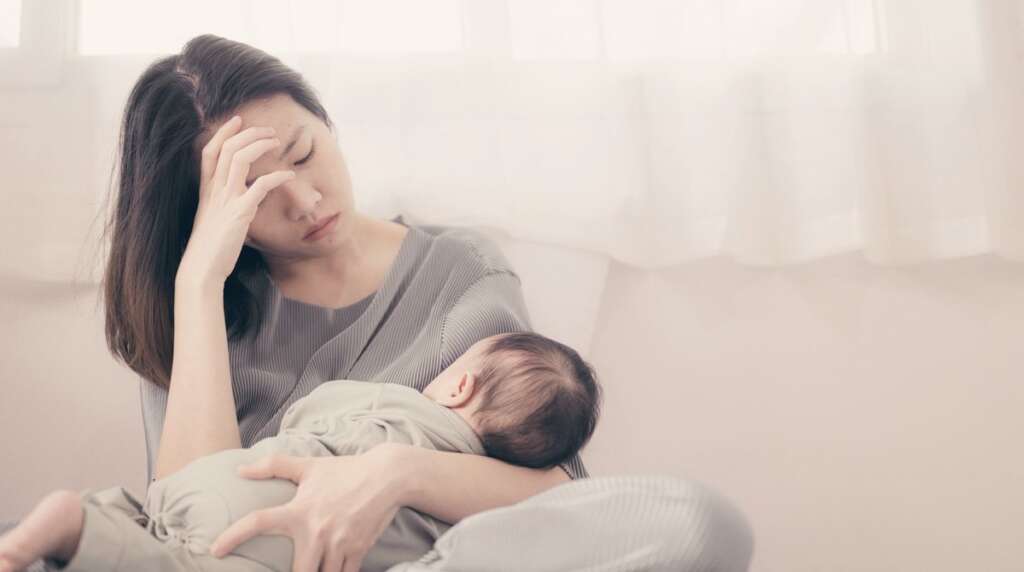
The sheer stress of being responsible for a tiny, helpless human is enormous. You are learning how to keep this baby alive while your body is recovering from birth. Relationship dynamics shift, financial pressures mount, and societal expectations of being a “perfect” mom add another layer of stress. All of this creates the perfect storm for anxiety to take hold.
Postpartum Anxiety Treatment Options
Getting treatment for postpartum anxiety was the best decision I made. There are effective options available, and you do not have to suffer through this alone. Treatment typically involves therapy, medication, or a combination of both, depending on the severity of your symptoms.
Cognitive Behavioral Therapy for Postpartum Recovery
Cognitive behavioral therapy, or CBT, is the gold standard for treating anxiety disorders, including postpartum anxiety. This type of therapy helps you identify anxious thought patterns.
In my experience, CBT gives you practical skills you can use immediately. You learn to recognize when your thoughts are spiraling into worst-case scenarios and how to redirect them. CBT is particularly effective for postpartum anxiety because it addresses the specific fears and concerns new mothers face.
Combining Therapy and Medication for Best Results
Here’s what I discovered through research and talking with healthcare providers: combining medication and behavioral therapy is more effective than either treatment alone. The medication helps stabilize your mood and reduce physical symptoms, making it easier to engage in therapy and learn new coping skills.
Breastfeeding While Taking Medication
One concern I hear constantly from new mothers is whether they can safely breastfeed while taking medication for postpartum anxiety. The good news is that many SSRIs are considered safe during breastfeeding.
All psychiatric medications pass into breast milk in small amounts, but the benefits of treating your anxiety often outweigh the minimal risks. Your doctor will consider several factors when recommending medication, including the severity of your symptoms.
Managing Postpartum Anxiety at Home
While professional treatment is essential for moderate to severe postpartum anxiety, there are things you can do at home to support your recovery. I found that combining medical treatment with self-care strategies accelerated my healing and helped me feel more in control.
Self-Care Strategies for New Mothers
Self-care is not selfish when you are a first-time mom dealing with anxiety. I learned that taking care of myself made me a better mother. Start with sleep: aim for at least one uninterrupted four-hour stretch. This might mean your partner takes the baby for part of the night or you sleep in separate rooms temporarily.
Physical activity is one of the most powerful tools against anxiety. Even a short walk outside can help. Yoga combines movement with breathing exercises, which is especially helpful for calming your nervous system. Limit caffeine since it can worsen anxiety symptoms and make your baby restless if you are breastfeeding.
Cuddling your baby releases oxytocin, which naturally reduces anxiety levels. Eating regular, healthy meals keeps your blood sugar stable and supports your mental health. I know it’s hard to prioritize yourself when you’re caring for a newborn, but these basics really do make a difference.
Building Your Support Network
You cannot do this alone, and you should not have to. Asking for help is a strength, not a weakness. Reach out to family and friends for practical support with household chores, meal preparation, or watching the baby so you can rest.
Connecting with other new mothers, whether in person or through online support groups, helps you realize you are not alone in these feelings. Organizations like Postpartum Support International offer free online support groups where you can share experiences with people who truly understand.
When to Seek Professional Help
Do not wait until you are in crisis to reach out for help. Contact your healthcare provider if you are worrying all day, every day, or if anxiety is interfering with your daily life. If you feel like you are not bonding with your baby, or if your anxious thoughts are getting worse instead of better, it’s time to get professional support.
Watch for signs that overlap with depression after giving birth, like persistent sadness, loss of interest in activities, or feelings of hopelessness. If you have thoughts of harming yourself or your baby, contact the 988 Suicide and Crisis Lifeline immediately by calling or texting 988. This is a mental emergency that requires immediate attention.
Recovery After Birth: What to Expect
Recovery from postpartum anxiety does not follow a predictable timeline, but I want you to know that it does get better. Understanding what to expect during your postpartum care journey can help you stay patient with yourself and recognize progress along the way.
How Long Does Postpartum Anxiety Last?
There’s no one-size-fits-all answer to how long postpartum anxiety lasts. With proper treatment, many women start feeling better within a few weeks to a few months. However, untreated anxiety can persist indefinitely, which is why getting help early matters so much.
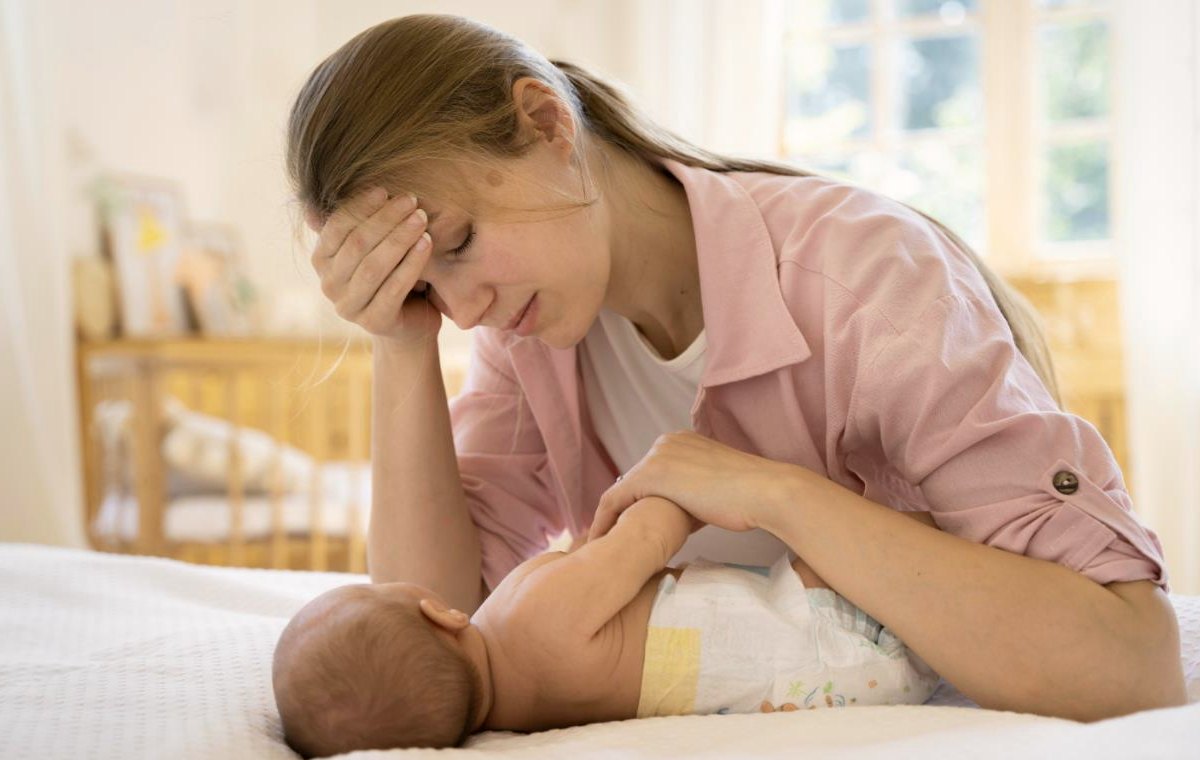
In my experience, recovery happens gradually rather than all at once. You might notice you are sleeping slightly better or that you can leave the baby with a trusted family member for 20 minutes without panicking. These small improvements build on each other. The combination of therapy and medication typically leads to faster recovery than either approach alone.
Bonding with Your Baby During Recovery
One of my biggest fears was that postpartum anxiety would permanently damage my relationship with my baby. Here’s the truth: with proper support and treatment, you absolutely can develop a strong, healthy bond with your child. Some parents connect with their babies immediately, while others find it takes more time, and both experiences are completely normal.
Don’t put pressure on yourself to feel a certain way by a certain time. Focus on small moments of connection: skin-to-skin contact, responding to your baby’s cues, and making eye contact during feeding.
Support for Partners and Family Members
Postpartum anxiety does not just affect the mother; it impacts the entire family. If you are a partner watching someone you love struggle with anxiety after having a baby, your support is crucial. Learn about postpartum anxiety so you understand what they are experiencing.

Listen without judgment and avoid dismissive comments like “just relax” or “you’re overreacting.”
Offer practical help with household tasks and baby care. Take night shifts when possible so your partner can get uninterrupted sleep.
Conclusion
Postpartum anxiety is a common, treatable mental health condition that affects about 1 in 5 new mothers, yet it remains less discussed than postpartum depression. The symptoms range from physical manifestations like a racing heart and insomnia to emotional signs like constant worry and irrational fears.
Some mothers experience postpartum OCD involving intrusive thoughts. Treatment options, including cognitive behavioral therapy and medication, are highly effective, especially when combined, and many medications are safe for breastfeeding mothers.
Recovery takes time and varies for each person, but with proper support from healthcare providers, family, and community resources, you can heal and develop a strong bond with your baby. Remember that experiencing postpartum anxiety isn’t your fault, and asking for help is the first step toward feeling like yourself again.