
I remember those first months with my baby when sleep felt impossible. Honestly, I do not think I finished a single cup of coffee while it was still warm. If you are reading this at 3 in the morning with tired eyes and a restless baby, you are not alone—I have been there too. Over the years, working with other families, I have come to realize that the right sleep training methods can truly make a difference. Nights that once felt like battles slowly turn into calmer, predictable routines.
What is Sleep Training?
Sleep training is essentially helping your baby to fall asleep without your constant help and hopefully stay asleep longer. It does not mean ignoring your baby or being harsh. For me, it’s more about giving them gentle tools to self-soothe and setting up habits that make life easier for everyone at home.
Most sleep training methods aid in three main things: your baby’s sleep environment, their natural rhythms, and the habits they built around falling asleep. Do not expect magic overnight; it’s not about perfection. It’s about steady progress and skills that last as your child grows.
Understanding the Science Behind Sleep Training
Babies are not born knowing how to drift off on their own. It’s something they figure out over time, just like learning to crawl or babble. Research from the American Academy of Pediatrics shows that many babies start developing self-soothing skills around four months, once their circadian rhythms begin to settle.

Knowing a bit about sleep cycles makes the whole process less confusing. Babies’ cycles are short—20 to 50 minutes—so they naturally wake more often than we do. The key is helping them get back to sleep without needing you every single time. That’s really what sleep training is about.
When to Start Sleep Training Your Baby
Most sleep training methods work best when started between 4 and 6 months old. I have seen families try earlier, but babies under 4 months typically need night feedings and have not developed the neurological maturity for consistent self-soothing.
Here is my rule of thumb: if your baby can sleep for 6-hour stretches and weighs at least 15 pounds, they are likely ready for sleep training methods that do not involve nighttime feeding.
Signs Your Baby is Ready for Sleep Training
Watch for these readiness cues consistently work as indicators:
- Your baby can fall asleep on their own occasionally.
- Night wakings seem more habitual than hunger-driven.
- They are showing longer periods of alertness during the day.
- Bedtime battles are becoming the norm rather than the exception.
Sleep Training Considerations for Parents
Before diving into specific sleep training methods, I always ask parents to honestly assess their own readiness. Sleep training requires consistency, and if you are not mentally prepared for some tears (both yours and baby’s), it’s better to wait.
I have found that the most successful families discuss their approach beforehand and agree on which sleep training methods they will use. Both parents need to be on board because inconsistency can actually prolong the process.
The Most Effective Sleep Training Methods
Here are some of the sleep training methods for your child
The Ferber Method (Graduated Extinction)
The Ferber method remains one of the most popular sleep training methods I recommend because it offers structure while still allowing parental comfort. Here is how I guide families through it:
How to Implement the Ferber Sleep Training Method
Put your baby in their crib awake but drowsy after your bedtime routine. Leave the room and wait for predetermined intervals before checking in. During check-ins, offer brief verbal comfort, but do not pick up your baby.
Ferber Method Chart and Timeline
Night 1: Check after 3, 5, then 10 minutes
Night 2: Check after 5, 10, then 15 minutes
Night 3: Check after 10, 15, then 20 minutes
Most families I work with see significant improvement within 3-5 nights using this approach.
Pros and Cons of the Ferber Method
I have found that this method works well for babies who become more upset when their parents stay in the room. The structured approach helps anxious parents feel more in control. However, some babies become more agitated with check-ins, and in those cases, I recommend different sleep training methods.

Cry It Out Method (Full Extinction)
The cry-it-out method involves putting your baby down awake and not returning until morning. While this method may sound harsh, research published in Pediatrics shows that it has no long-term negative effects when used appropriately.
When the Cry It Out Method Works Best
In my experience, this approach works fastest for babies who escalate when parents check in. Some children find parental visits more stimulating than soothing, making full extinction one of the more effective sleep training methods for certain temperaments.
Gentle Sleep Training Methods
Here are some gentle sleep training methods:
Pick Up Put Down Method
This gentler approach involves picking up your crying baby until they calm, then putting them back down while the baby is still awake. I have seen this work beautifully for sensitive babies, though it requires significant patience and can take 2-3 weeks to show results.
The Chair Method (Camping Out)
With the chair method of sleep training, you sit beside your baby’s crib, gradually moving farther away each night. I often recommend this for parents who can not bear leaving their baby alone but still want to teach independent sleep skills.
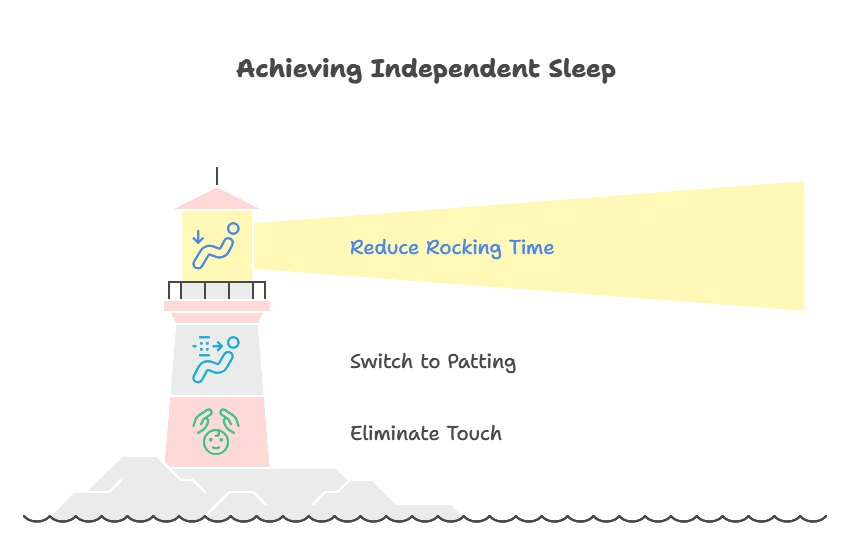
Fading Method for Gradual Transition
The fading method involves slowly reducing whatever help you currently provide at bedtime. If you are rocking your baby to sleep, you might first reduce the rocking time, then switch to patting, then gradually eliminate touch.
No Tears Sleep Training Approaches
No tear sleep training approaches are following:
Check and Console Method
This variation of sleep training methods involves checking on your baby before they even start crying. I have found it works well for babies with mild sleep difficulties, but it can be too stimulating for others.
Respectful Sleep Training Techniques
These approaches focus on responding to your baby’s cues. I remember those first months with my baby when sleep felt impossible. Honestly, I do not think I finished a single cup of coffee while it was still warm. If you are reading this at 3 in the morning with tired eyes and a restless baby, you are not alone—I have been there too. Over the years, through working with other families, I have come to realize that the right sleep training methods can truly make a significant difference. Nights that once felt like battles slowly turn into calmer, predictable routines.
Creating the Perfect Baby Bedtime Routine
Babies catch on quickly when you repeat the same little ritual. Over time, they recognize these signals and begin to wind down faster. Usually, these little habits work alongside whichever sleep training method you decide to follow.
Age-Appropriate Bedtime Stories and Activities
For younger babies, it’s best to keep things simple with sensory experiences like gentle music or white noise. Once babies are around 6 months, you can add short board books with bold, high-contrast pictures. What matters most is consistency, not complexity.
Establishing Consistent Sleep Cues
Repeating the same phrases, songs, or sounds every night helps babies connect those cues with sleep time. Over time, these small habits become strong tools that support your sleep training methods.
Sleep Training for Different Ages
Sleep training is not one size fits all. Every stage of sleep has different needs and patterns. Understanding these age differences can help parents choose effective and gentle methods.
Newborn Sleep Training (0–3 Months)
At this stage, newborns are not ready for strict sleep training. It is more about building healthy patterns—like laying them down while they are sleepy but not fully out, and helping them learn that daytime is light and active, while nighttime is calm and quiet.
Sleep Training 4-Month-Old Babies
Four months is when many parents find things start to click. Babies are old enough to begin learning how to settle themselves, but they are still pretty adaptable. This makes it a good window to start easing them into a more predictable routine.
Sleep Training 1-Year-Old Toddlers
With toddlers, sleep training can be trickier. Separation anxiety, mobility, and early communication skills often mean you will need to adjust your method to fit their stage.
Common Sleep Training Challenges
Sometimes sleep training can be tricky because every baby responds differently. Understanding the most common challenges helps parents stay patient and improve their child’s sleep routine.
Dealing with Sleep Regression
Sleep regressions are common around 4, 8–10, 12, 18, and 24 months. The easiest way to manage them is to stay consistent with your routine and return to whichever method worked before.
Night Weaning During Sleep Training
Many parents combine sleep training with night weaning. The CDC notes that healthy babies over 4 months of age are typically able to sleep through the night without feeding.
Troubleshooting Bedtime Resistance
If you have stayed consistent for a couple of weeks and your baby still fights bedtime, it might be time to change things up. Sometimes the fix is as simple as moving bedtime a little earlier (or later), or making the room darker and quieter. Other times, you may just need to switch to a different sleep training method that feels like a better match for your baby’s personality.
When to Seek Professional Help
Sometimes sleep difficulties may need expert guidance. Important guidelines for professional help are given below:
Sleep Trainer vs Sleep Consultant
A sleep trainer usually guides you through one method step by step. A sleep consultant does not just hand you one method and call it a day. They look at everything—your baby’s daily routine, the sleep space, and even how things are working (or not working) for your family as a whole.
Signs You Need Expert Guidance
If you have been stuck in a couple of different methods for about a month and your baby’s sleep still has not improved, it might be time to get outside help. The same goes if you suspect health issues are part of the problem—sometimes you just need a fresh set of eyes and tailored advice.
Frequently Asked Questions (FAQs)
What sleep training methods work the quickest?
Some parents see results with cry-it-out in under a week. Gentler sleep training methods take longer but feel easier on the heart.
Can I do night weaning and sleep training methods together?
Yes, many parents do. Once babies are past 4 months, most don’t really need those middle-of-the-night feeds.
Are sleep training methods okay for newborns?
Not really. Newborns (0–3 months) need comfort, not training. Focus on day vs. night routines and putting them down a little drowsy.
Which sleep training methods suit the toddlers best?
Toddlers bring new challenges, including separation anxiety, climbing out of bed, and more opinions. Methods need tweaking to match this stage.
Conclusion
Sleep training is not a one-size-fits-all process. What works for one baby might not work for another. The best method is the one that matches your baby’s personality and feels doable for your family. At the end of the day, it’s about finding a rhythm that helps everyone get more rest. Teaching independent sleep is a skill that helps your child in the long term. Be patient, trust your gut, and do not be afraid to adjust. With consistency, better sleep really does come for both your baby and you.