
Look, I will be honest with you. When my nephew turned two, I thought teaching him to share toys would be simple. Just say “sharing is caring,” right? Wrong. That’s when I realized social development in children is way more complicated than I ever imagined.
After years of working with families and watching kids grow, I have picked up a few things about how children learn to connect with others. And trust me, it’s fascinating stuff that every parent should know.
What is Social Development in Children?
Understanding Social and Emotional Development
Social development in children is all about how your child learns to interact with people. It covers everything from a baby recognizing your face to a teenager handling friendship drama.
What really got me was learning how emotions tie into all of this.
Your child can not really understand someone else’s feelings until they get their own. The CDC explains that when babies cry and you show up, you’re not spoiling them. You’re teaching them the world is safe.
I remember watching a mom consistently respond to her fussy baby. Six months later, that same baby was the calmest kid in our playgroup. Coincidence? I don’t think so.
The Role of Social Skills in Child Development
No one is born knowing how to share or say sorry. Kids learn by watching us, playing, and making mistakes.
Think about it.
- Communication
- Cooperation
- Dealing with fights
- Understanding how others feel
These are not just nice-to-haves. I have seen kids with solid social skills perform better in school, make friends easily, and just seem happier overall.
What surprised me most? Every single interaction counts. When your kid sees you help someone carry groceries or apologize to a barista, they are filing that away for later use.
Why Social Development in Early Childhood Matters
Building the Foundation for Future Relationships
The early years matter more than most people realize. Development in early childhood literally shapes how your kid’s brain wires itself for relationships. Generally, kids who felt secure as babies become confident teenagers who make friends. But kids who struggled early?
They often face challenges in building relationships later. The American Academy of Pediatrics says the first three years are golden. Your child’s brain is like a sponge during this time, soaking up everything about how relationships work.
Impact on Cognitive and Language Development
This blew my mind when I first learned it: talking to other people actually makes kids smarter. Cognitive development in early childhood and social interaction are totally connected. I watched my friend’s daughter, who went from barely talking at two to full conversations at three.

What changed? She started attending a playgroup twice a week. All that negotiating over toys, asking for turns, and explaining her ideas? Pure brain development gold. Language development in early childhood is enhanced when kids interact with each other.
A toddler arguing about who gets the red crayon is simultaneously learning new words, cause and effect, and how to reason. Pretty cool, right?
Social Emotional Development and Mental Health
Usually, the kids who are taught about how to handle their emotions early perform better. They can name and express their feelings, ask for help, and bounce back from disappointments. Emotional development in early childhood acts as protection against anxiety and depression in later adulthood.
When a five-year-old can say “I am frustrated” instead of throwing blocks, they are learning skills that will serve them for life. The importance of social development in children goes way beyond playground politics. It’s all about building resilience and learning to navigate a world.
Developmental Stages of Social Development in Children
Infancy (0-12 Months): Early Social Bonds
Babies are social creatures from day one. Newborns turn toward their mom’s voice just after birth. By two months, they’re smiling back at you like you just told the world’s best joke.
This is where trust gets built. Baby cries, you show up. Baby smiles, and you smile back at your baby.
Simple stuff, but it teaches them that communication works and people can be counted on. That stranger anxiety around nine months? Annoying for parents, sure. But it actually means your baby figured out who their people are. That’s progress.
Toddler Stage (1-3 Years): Learning to Play
Toddlers are wild. I have watched 18-month-olds sit next to each other, both playing with blocks, but completely ignoring each other. By two, they start actually playing together, though they do not expect smooth sharing yet.
Early childhood development stages during these years involve a leap in language. Kids start pretending, feeding dolls, or “calling” people on toy phones.
And those tantrums? Totally normal. Your toddler has massive feelings but cannot explain them yet. This is prime time for teaching emotional skills, even though it feels exhausting.
Preschool Years (3-5 Years): Developing Social Awareness
Three-year-olds begin understanding that other people have different thoughts and feelings. Mind-blowing for them. This is when imaginative play boosts. By the age of four, kids can follow game rules. They are learning to share, wait their turn, and work together.

Social skills development during these years occurs more quickly than at any other time. Harvard research shows this period of early childhood brain development is crucial. The social circuits forming now will support relationships for decades.
School Age (5-10 Years): Building Friendships
Once kids hit school, friends become huge. I have watched five-year-olds navigate playground drama that would stress out adults. By the age of seven or eight years, kids really understand all the rules and relationships.
They can make the best friend, usually of the same gender, and take friendships seriously. Around nine or ten years of age, friends often matter more than family. Difficult for parents, but it is a normal childhood development. They are practicing independence while still needing you as their home base.
Key Benefits of Healthy Social Development
Most kids with strong social development can express what they really need. They listen carefully and hold conversations. Emotional development in infants who received responsive care leads to better self-control later.
These kids can wait, handle frustration, and calm themselves when upset. Understanding their own emotions helps kids handle difficult situations. Instead of tantrums, they can identify true feelings and ask for support.
Enhanced Learning Abilities and Self-Esteem
Children who develop social skills early usually perform better in school. They can focus, work in groups, and ask teachers for help without anxiety. Childhood development milestones in social areas directly boost confidence.
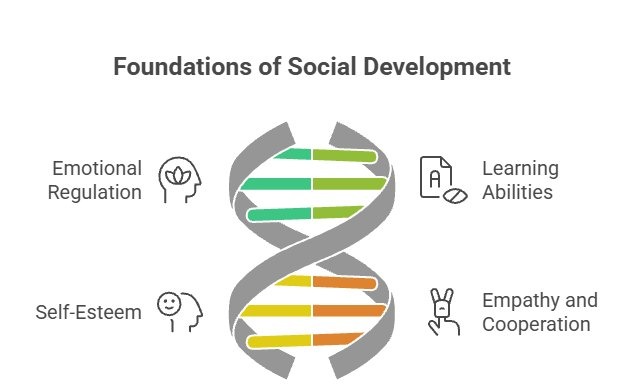
A kid who makes friends easily feels comfortable and good about themselves, and that confidence spreads to everything. Research shows that social-emotional development in children predicts school readiness and long-term academic success.
Development of Empathy and Cooperation
Empathy does not just happen. Kids learn it through experience and guidance. When you help your child understand how their actions affect others, you are building their capacity for kindness. I have watched preschoolers comfort crying friends, share without being asked, and include kids who are left out.
These moments of social and emotional development in early childhood are honestly beautiful. Social skills for teens build on what they learned as little kids. Teens who learned cooperation early handle complex social situations and the development of relationship drama way better.
How to Support Social Skills Development
Creating Opportunities for Social Interaction and Play
Some people thought that play matters more than social development in children. Through social play, kids learn to negotiate, cooperate, and solve problems creatively. Start arranging playdates around age two. Reach out to playgroups, libraries, parks, or some other place where children play with other kids.
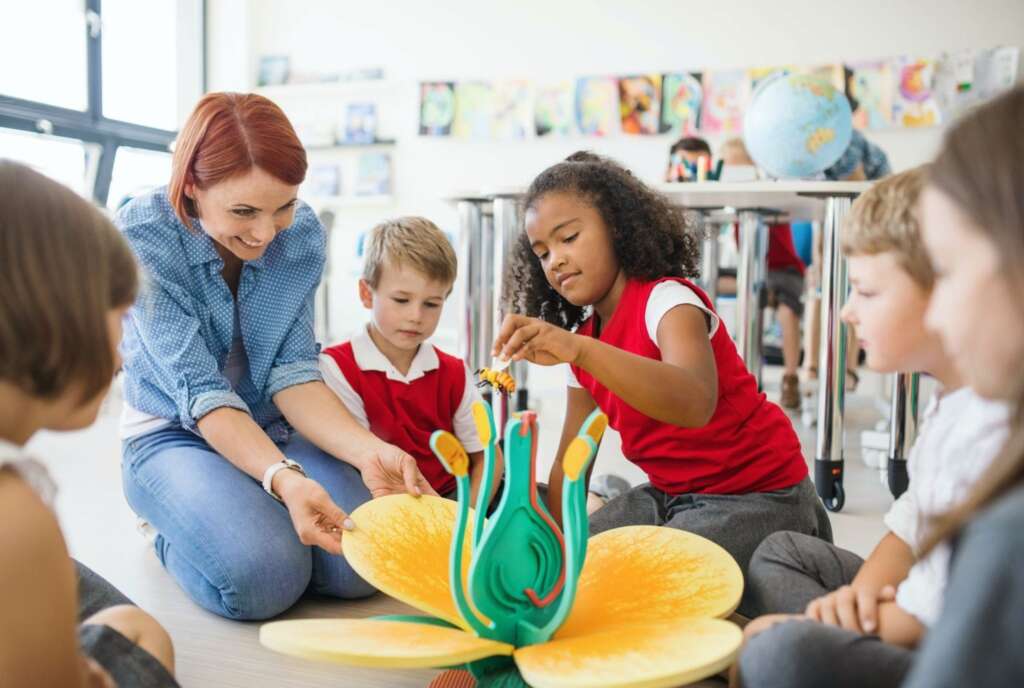
These casual settings give natural chances to practice social skills without pressure. Imaginative play is gold. When kids pretend to be doctors or teachers, they are exploring social roles and practicing empathy. Let them lead these games.
Teaching Through Modeling and Activities
You are the main teacher of your child in terms of social behavior. Model what you want to see: saying “please” and “thank you,” apologizing when you mess up, and treating people with respect. Try some specific social skills activities. Read books that are about feelings, and play cooperative games.

Simple things like taking turns and rolling a ball teach patience and fairness and enhance obedience to the rules and regulations in children. Remember, kids also observe how you communicate, handle stress, and treat other people. Be intentional about showing positive social relations in your daily life.
Recognizing Warning Signs and Challenges
Watch for signs your child might need extra support during their social development. Red flags include avoiding eye contact, taking no interest in other kids by four, or not pretending to play at all.
If your child has poor social skills, does not respond to their name, or seems completely uninterested in people around them, talk to your pediatrician. Getting help early makes a real difference. The AAP recommends autism screening at 18 and 24 months. Trust your gut. If something seems off, get it checked out.
Frequently Asked Questions
At what age does social development start in children?
It starts at birth when babies first bond with caregivers through responsive interactions.
How can I tell if my child has delayed social development?
Watch for low eye contact by eight weeks, interest in other kids by four, inability to pretend play, or extreme difficulty with social situations and transitions.
What activities best support social skills development?
Playdates, cooperative games, role-playing, and discussing emotions during story time all build strong social skills in children.
Can social development problems be corrected?
Yes, early intervention through therapy, parent training, and social skills programs can significantly improve outcomes.
Conclusion
Social development in children starts at birth and continues through the teen years, shaping who they become. Secure early attachments, positive friendships, and responsive parenting create confident, caring people.
Development in early childhood sets the stage for relationships, school success, and mental health. Understanding developmental stages and actively supporting social skills development through play, modeling, and guidance gives your child the tools to thrive. Every interaction matters when you help children grow into socially capable, emotionally smart individuals.