
Early experiences are vital for a little life. These years shape children’s overall well-being, including how they form relationships, develop communication skills, interact with others, and succeed in the future. Sometimes, during social development in early childhood, the child becomes involved in a conflict.
Issues that arise during the stages of development can later result in unhealthy social development, including social anxieties and social avoidance in children.
In the following blog, we will develop an understanding of these fundamentals under the supervision of experts and unlock opportunities that lead to ultimate healthy social development during early childhood years.
What is Social Development in Early Childhood?
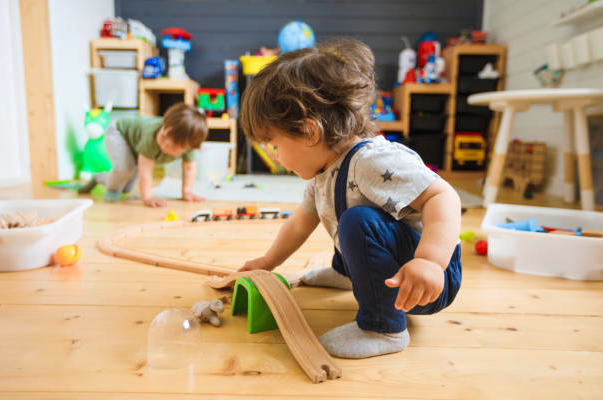
Social development in early childhood refers to how young children (typically aged 2–6) learn to form relationships, understand emotions, cooperate, share, and develop social skills that enable them to interact positively with friends, peers, and adults. It lays the foundation for later emotional regulation, communication, and social competence (Berk, 2018).
Berk, L. E. (2018). Development Through the Lifespan (7th ed.). Pearson Education.

Understanding Social Development in Early Childhood
The most important part of social development in early childhood is that during this period, a child learns how to interact and connect with a group, as well as form relationships with people around them. During this stage of social development, a child develops communication skills and language, makes friends, and learns cultural values, manners, and basic moral principles.
Learning interaction
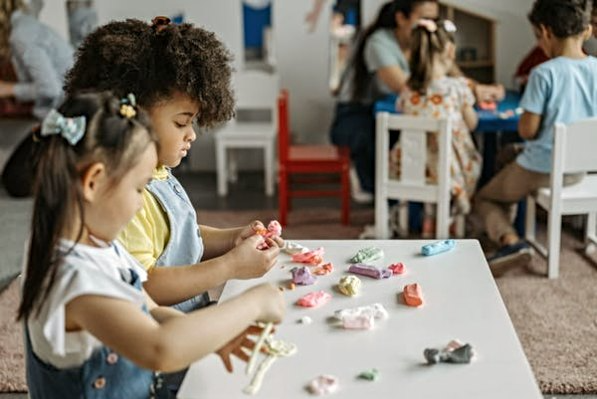
Playing alone, but now playing with friends, helps children learn how to communicate, share toys, and behave when someone approaches.
Building Relationships
Attachments with parents and caregivers teach a child trust, loyalty, and comfort. Early interactions like these set the base for secure future connections.
Developing Empathy
Initially, children focus primarily on their needs, but as they play with others, they begin to recognize the needs of their friends. Like sharing toys with a crying friend, it not only builds empathy but also emotional intelligence skills.
Self-Confidence
By praising children for good behavior and encouraging them while they are speaking, children get a sense of being valued. This feeling makes a child more confident in speaking and joining activities.
Why Social Development Is Important to Child Growth
The most important part of social development in early childhood is that during this period, a child learns how to interact and connect with a group. A child also develops how to form relationships with people around them. During this stage, a child develops communication skills and complete language development, makes friends, and learns cultural values, manners, and basic moral principles.
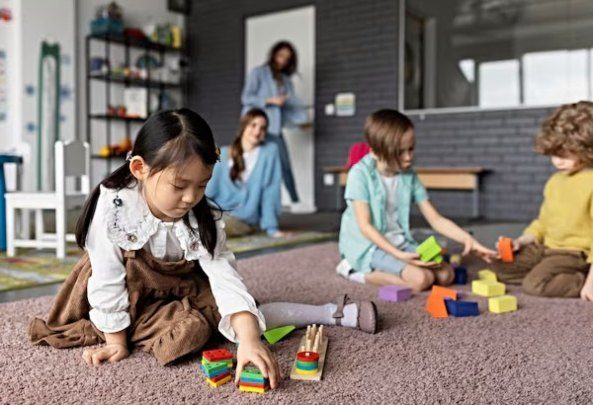
Early social development in children plays a role in shaping well-being and achievements in every field of life; the child learns to behave in a culturally appropriate manner. Children seek to identify their place among new groups and strive to join a comfortable and relatable community. During social development in early childhood, a child learns to communicate with others; in this way, their language and communication skills, including these practices, move the child towards improvements. Including these practices moves the child towards improvement.

Benefits of Social Development in Early Childhood
Children with strong social skills tend to have better mental health. They perform better academically and have overall satisfactory relationships. They become capable of resolving conflicts with a calm expression and adapting to new social settings. Playing and working, expressing thoughts, being competitive, and desiring to achieve goals are honed during early social development.
Develop Language Skills
Through experiencing daily social interactions, children learn vocabulary in a natural way that also improves sentence structure. Social interactions encourage children to learn how to express their thoughts and ideas. Talking and listening to friends and peers helps them to play their role and communicate with confidence in different social settings.
Boost Self-Esteem
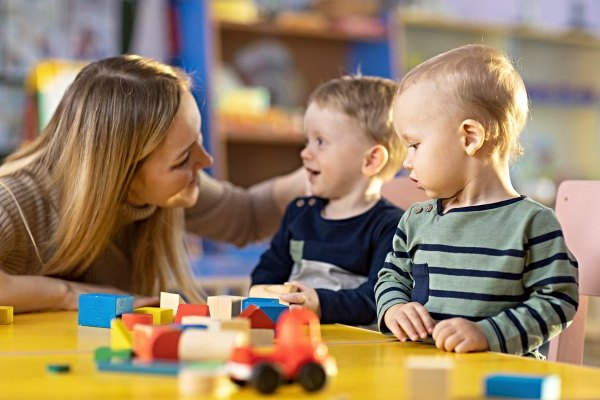
Positive relationships with peers, friends, teachers, and family members give a sense of belonging. When children feel valued, their self-confidence grows, which leads them to participate actively in new experiences and challenges.
Resolve Conflicts
Social development in early childhood teaches children the most important skill of handling situations of disagreement. Children learn to negotiate, compromise, and express patience and empathy; they explore how to turn conflicts into meaningful lessons, cooperation, and possibilities for improvement.

Develop a Positive Attitude
Children staying around peers are motivated to develop a positive outlook towards the world. By sharing experiences, appreciating small successes, and working together, you teach a child to trust. These interactions lay the foundation for more complex social skills.

Emotional Expression
Social interactions also teach children ways to respond and recognize emotions. Group activities provide children with safe and supportive expressions for their feelings. During social interactions, a child also learns to respond to others’ emotions, which also promotes emotional intelligence skills.
Stages of Social Development in Childhood and Adolescence
Social development in children is a continuous process that begins at birth and lasts through adolescence. It shapes how to interact socially and develop an understanding of the world. During social development in early childhood, children focus on learning to share and engaging in cooperative play with friends, through which a basic set of social skills is developed.
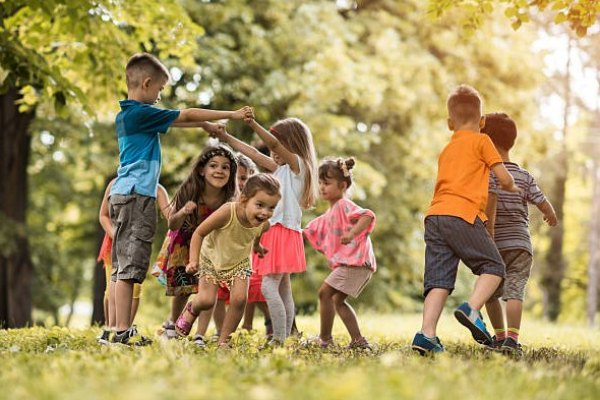
Significantly, the ages 3 to 10 are often considered the main social developmental period, when the complexities of the social development process are practiced, and the child becomes skilled. The recognition of social development in childhood and adolescence helps parents and educators to design effective activities to avoid conflicts at any age.
Infancy Stage (0–2 Years)
In the infancy stage, children start developing strong attachments to their parents and caregivers; they begin to recognize similar voices and faces and notice the facial expressions of caregivers. During this stage, infants establish trust and feel a sense of security when being with caregivers. Initial trust style determines confidentiality, which determines in later relationships.

Encouraging Social Development in Children’s Infancy Stage (0–2 Years)
- Give the child a loving, caring, safe, and attentive environment.
- Holding your child close to you allows you to gently expose them to events or interactions that cause fear, such as strangers.
- Avoid forcing children to show certain behavior that is extremely undesired and social-anxiety-prone for children.
- Build resilience in children by actively listening to them, addressing their conflicts and concerns, and providing guidance and opportunities to help them manage these challenges.
- Introduce the child to playgrounds so they learn how to swing and wait for their turn, and give other children a chance to enjoy themselves together.
Toddler Stage (2–4 Years)
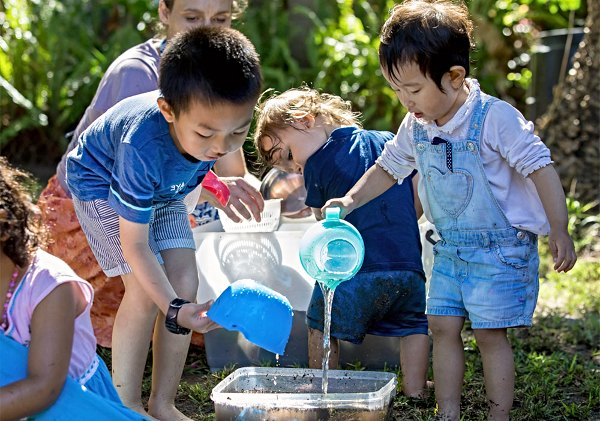
As the toddler stage arrives, children explore their environment, engaging in playful activities and getting involved in activities that are not their routine. Children establish connections during this phase of early social development, which lays the groundwork for emotional intelligence, empathy, and sharing.
Encouraging Social Development in Children’s Infancy Toddler Stage (2–4 Years)
- Children should be encouraged to connect with people in person and learn from social situations in the modern world.
- Provide storybooks to toddlers to read and improve their vocabulary.
- Give them space to express their true feelings and ideas, and show discouragement when they hide them.
- Children should be given rewards and little gifts for obeying, following instructions, and behaving in a well-mannered way.
Preschool Age (4–6 Years)
In the preschool stage, children’s social world expands. Children feel confident around close friendships and seem to enjoy role-playing games, like pretending to be a doctor, cook, or parent. These activities allow them to practice empathy, turn-taking, and patience. It plays a significant role in social development in early childhood.

Encouraging Social Development in Children, Infancy, Preschool Age (4–6 Years)
- Help children manage their fears and conflicts gently and politely.
- Ask children open-ended questions. Introduce them to real-life stories so they have a basic idea about the environment.
- Develop understanding of event-specific dress codes in social settings.
- Observe their behavior and teach them the consequences of showing aggressive and inappropriate behaviors.
- Train children to behave respectfully, obey elders, tell stories, and teach them to maintain clean clothing.
School Age (6–12 Years)
As a preschooler grows, approval and acceptance from parents and peers shape self-esteem, and during this stage, the child focuses on showing the manners that will result in appreciation from elders. Moreover, children learn to handle problem-solving skills, manage conflicts, and obey game rules.

Encouraging Social Development in Children Infancy School Age (6–12 Years)
- Support your child to build friendships. Parents should avoid criticizing their children for making friendships with those from a low socioeconomic class.
- Take your children to playgrounds. Caregivers should monitor the child’s activities during play to keep them safe from injuries
- They should be taken outside, like to the zoo, museums, light shows, and water parks.

Frequently Asked Questions (FAQs)
What is the early social developmental period?
The age of eight marks the end of the basic social development phase. Usually, at this age, schooling begins, and they have practiced many social interactions with their peers and elders as well.
Which four phases comprise social development in early childhood?
From birth to adulthood, every child experiences these 4 stages of development: sensorimotor stage (0-2 years old), preoperational stage (2-7 years old), concrete operational stage (7-11 years old), and formal operational stage (12 years and older).
Which stage of social development is most important?
Every stage of social development plays a significant role in the overall learning, sharing, and communication of children. The preschool stage is considered the most important for a child to make positive social interactions.
What is the most effective way to teach my child social skills?
Group learning is considered one of the most effective techniques to develop social skills. It consists of a blend of skills, including communication, conflict management, sharing, vocabulary development, learning, emotional intelligence, and playing.
Conclusion
Supporting social development in early childhood and recognizing the importance of every stage has always been crucial. A child’s social development can be established by using the right parenting approaches. Choosing a healthy, nurturing approach for children and addressing all challenging conflicts that arise at any stage.
Parents, educators, and peers can help children achieve developmental milestones by listing and monitoring. Experiencing positive interactions can speed up the process of learning and developing a set of social skills in early childhood. These early social developmental events can lead a child to develop better relationships with peers, caregivers, and friendships with other children for a lifetime.