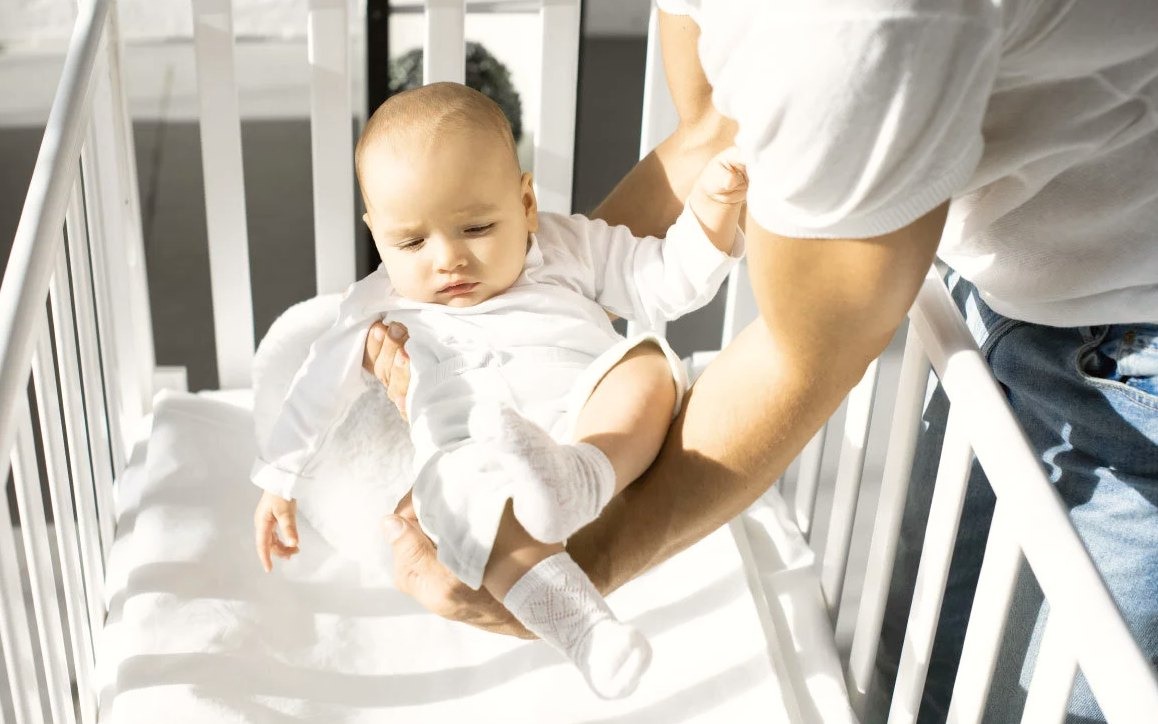
I still remember those early months with my first baby—the exhaustion, the confusion, and the desperate hope that someone would just tell me how to help my little one sleep. After years of working with countless families and navigating my own journey, I have learned that sleep training is not about being perfect. It is about finding what works for your family and sticking with it.
What Is Sleep Training
Sleep training is the process of teaching your baby to fall asleep independently and stay asleep through the night. In my experience, many parents think this means leaving their baby to cry endlessly, but that is simply not true.
Tips on sleep training really do help babies develop the skill of self-soothing—a crucial ability they will use throughout their lives. I have found that sleep training gives babies the confidence to put themselves back to sleep when they wake up at night. This is not about abandoning your child. It is about equipping them with tools for better rest.
When to Start Sleep Training Your Baby
Here is what I discovered after working with dozens of families: timing matters more than most parents realize. Starting too early can frustrate everyone involved, while waiting too long might mean your baby has already developed sleep associations that are harder to break.
Most experts, including those at the National Institutes of Health, recommend beginning sleep training between four and six months of age. At this point, babies have developed their circadian rhythm and can physically go longer stretches without feeding. I always tell parents to watch their baby, not just the calendar.
Sleep Training 4 Month Old
Four months mark a turning point in infant sleep. I have seen many babies at this age start showing signs of readiness—they can fall asleep on their own during the day, and their nighttime wake-ups become more predictable. Some babies are ready at four months, while others need a bit more time.
Sleep Training 6 Month Old
Six months is what I call the sweet spot for sleep training. By this age, most babies no longer need nighttime feedings and have stronger self-soothing capabilities. I have found that parents who wait until six months often see faster results because their babies are developmentally ready for the change.
Sleep Training 8 Month Old
If you are starting at eight months, do not worry—it is not too late. I have helped many families successfully sleep train older babies. The main difference is that eight-month-olds may have stronger sleep associations and more developed memories, which means the process might take a few extra nights of consistency.
Why Sleep Training Is Important for Babies and Parents
Let me be honest: sleep deprivation nearly broke me during those first months. What I later learned is that chronic sleep loss affects everyone in the household. Studies from the Centers for Disease Control and Prevention show that parental sleep deprivation increases risks of depression, anxiety, and physical health problems.
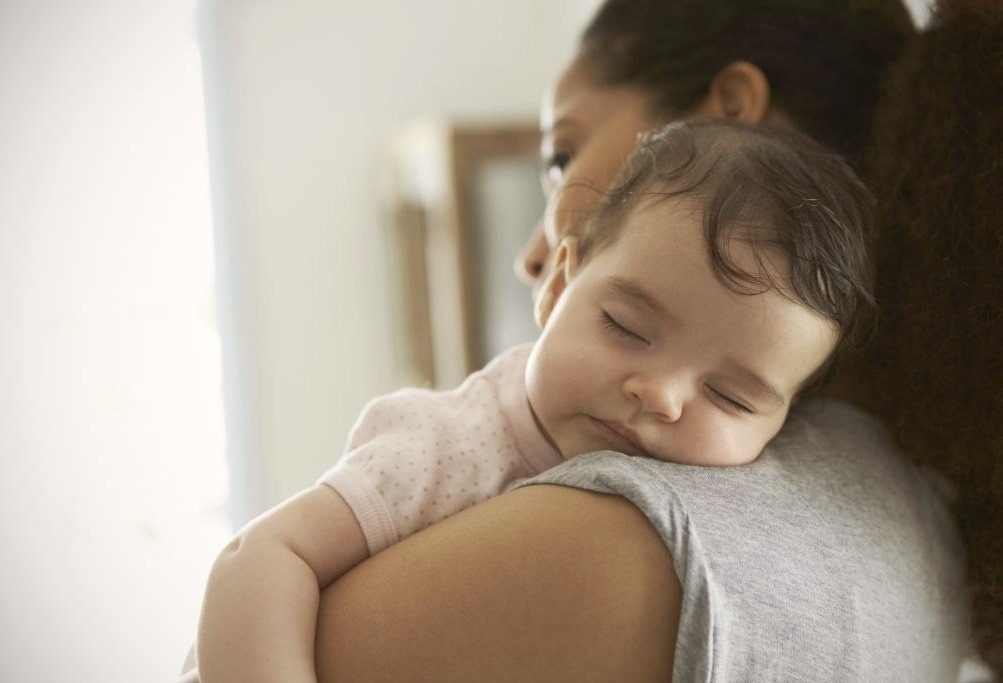
For babies, quality sleep supports brain development, immune function, and emotional regulation. I have watched cranky, fussy babies transform into happy, alert little ones after just a few nights of better sleep. The benefits extend beyond the nursery—well-rested parents make better decisions, have more patience, and enjoy their time with their babies more fully.
Best Sleep Training Methods and Techniques
Here is where things get interesting. After trying various approaches with different families, I learned that no single method works for everyone. The key is understanding your options and choosing what aligns with your parenting style and your baby’s temperament.
The Cry It Out Method (CIO)
The cry it out method is exactly what it sounds like—you put your baby down awake and do not return until morning. I know this sounds harsh, and honestly, it is the method I struggled with most personally. However, I have seen it work remarkably well for some families, often producing results within three to four nights.
How it works
- Complete your bedtime routine
- Place the baby in the crib while drowsy but awake
- Leave the room and do not return until morning
- Ensure the baby is fed, changed, and safe before starting
The cry it out sleep training method requires incredible consistency from all caregivers. In my experience, parents who choose this approach need to be fully committed, because wavering halfway through can actually make things worse.
The Ferber Method (Ferber Sleep Training)
The Ferber method, also called the Ferber sleep training method, has become my go-to recommendation for families who want structure but cannot handle pure cry it out. Dr. Richard Ferber developed this technique, and I have found it offers a middle ground that many parents find manageable.
The Ferber sleep method follows timed check-ins
- Night 1: Check at 3, 5, and 10 minutes
- Night 2: Check at 5, 10, and 12 minutes
- Night 3: Check at 10, 12, and 15 minutes
- Continue increasing intervals each night
When you check on your baby, keep it brief—a gentle pat, a soothing word, but no picking up. I have seen parents struggle with this part because their instinct is to comfort fully. The Ferber sleep training method teaches babies that you are nearby and responsive, but they can handle falling asleep independently.
Pick Up Put Down Method
The pick up put down method requires patience, but it is incredibly gentle. I recommend this approach for parents who cannot tolerate hearing their baby cry for extended periods. This infant sleep method involves picking up your baby when they cry, soothing them until calm, then placing them back in the crib before they fall asleep.
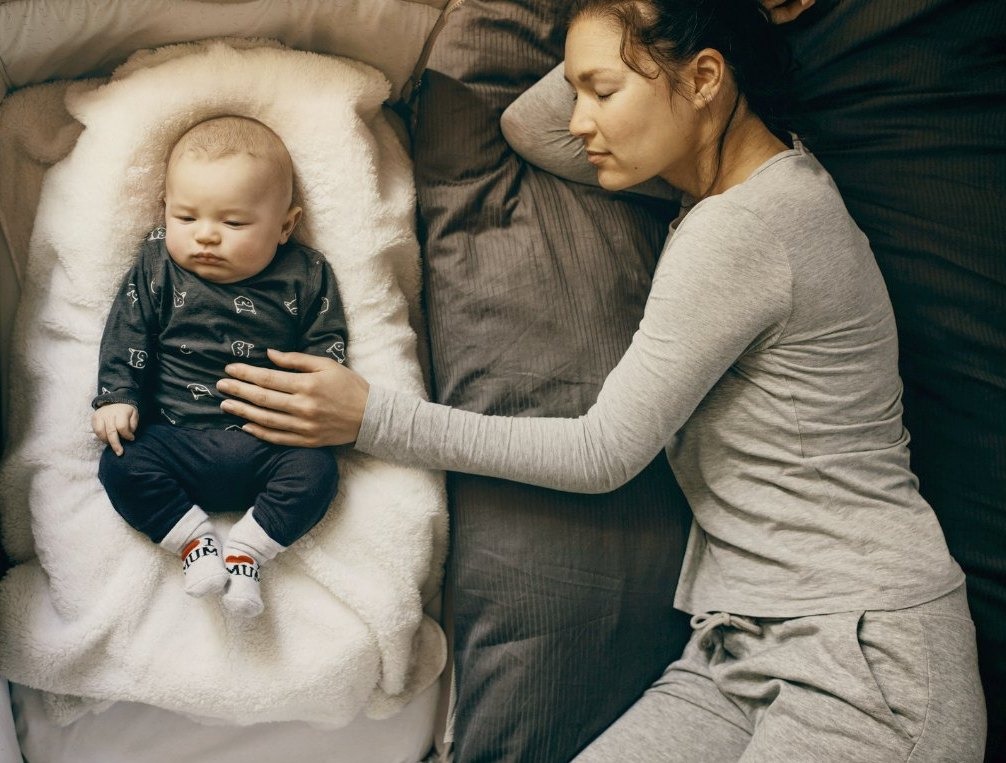
I will be honest—this method exhausted me when I first tried it. You might pick up and put down your baby dozens of times in one night. However, I have watched it work beautifully for babies who need more reassurance. The process takes longer than other sleep training techniques, sometimes up to three weeks, but the gradual approach feels right for many families.
Chair Method (Fading Method)
The chair method, sometimes called camping out, involves sitting near your baby’s crib until they fall asleep. Each night, you move the chair farther away. I have found this method particularly effective for anxious babies who need visual reassurance that their parent is present.
Progressive steps
- Night 1-3: Sit right next to the crib
- Night 4-6: Move chair halfway to the door
- Night 7-9: Sit near the doorway
- Night 10+: Sit just outside the room
The challenge with this gentle sleep training method is that some babies get more upset seeing you nearby but not being held. I always tell parents to watch their baby’s response during the first few nights and adjust accordingly.
Gentle Sleep Training (No Cry Method)
Gentle sleep training focuses on minimal tears through gradual changes and maximum parental presence. This approach relies heavily on establishing a consistent bedtime routine and responding immediately when your baby cries. I have seen this work well for families practicing attachment parenting philosophies.
The trade-off is time—gentle methods can take several weeks to show results. In my experience, parents who choose this path need strong support systems because the sleep deprivation continues longer than with other sleep training methods.
How to Start Sleep Training: Essential Tips
After helping countless families through this process, I have developed a framework that makes sleep training more successful regardless of which method you choose. These tips on sleep training have proven effective across different approaches and baby temperaments.
Create a Consistent Bedtime Routine
Your baby’s bedtime routine is the foundation of successful sleep training. I cannot stress this enough—consistency signals to your baby that sleep is coming. Babies thrive on predictability, and a regular sequence of activities helps their brains recognize that bedtime is approaching.
My recommended baby bedtime routine
- Bath time with warm water
- Gentle massage with lotion
- Put on baby night clothes
- Dim the lights
- Read a bedtime story or sing quietly
- Feed if needed
- Place in crib while drowsy
The entire routine should take 20 to 30 minutes. According to research published in Sleep Medicine Reviews, consistent bedtime routines improve both sleep quality and duration in infants. I have found that babies who experience the same sequence every night fall asleep faster and wake less frequently.
Help Your Baby Learn to Self-Soothe
Teaching your baby to self-soothe is perhaps the most valuable skill sleep training provides. I learned this the hard way with my first child—I thought I was helping by rocking, nursing, or holding until fully asleep. What I was actually doing was preventing my baby from learning to fall asleep independently.
Here is what works
Put your baby down when they show tired signs, but before they are fully asleep. Those tired signs include yawning, rubbing eyes, pulling ears, or turning away from stimulation.

When babies fall asleep in your arms and then wake in their crib, they become confused and upset. If they fall asleep in the crib initially, waking up there feels normal and safe.
I have watched hundreds of babies develop self-soothing abilities within days once parents commit to this practice. Some babies suck their fingers, others turn their heads side to side, and some simply close their eyes and drift off.
Establish the Right Sleep Environment
The environment where your baby sleeps matters more than most parents realize. I have seen sleep training fail simply because the room was too bright, too warm, or too stimulating. Creating the right space is one of the most practical tips for sleep training I can offer.
Essential elements for better sleep
- Room temperature between 68-72°F
- Blackout curtains or shades
- White noise machine
- Safe crib with a firm mattress
- No loose blankets or toys
- Comfortable sleepwear appropriate for the temperature
The Consumer Product Safety Commission provides detailed guidelines for safe infant sleep environments. I always recommend parents review these before starting any sleep training method to ensure their baby’s crib meets current safety standards.
Common Sleep Training Challenges and Solutions
In my years of experience, I have encountered nearly every obstacle imaginable during the sleep training process. Here is what I want you to know: challenges are normal, and they do not mean you are failing.
Teething or illness
If your baby is unwell or cutting teeth, pause sleep training temporarily. I learned this after pushing through when my son was teething, and it only prolonged everyone’s misery. Resume once your baby feels better.
Travel or routine disruption
Major changes throw off even well-trained sleepers. When you return home, restart your consistent bedtime routine and give your baby a few nights to readjust. I have found that previously sleep-trained babies bounce back faster than you might expect.
Sleep regression
These periods happen around four months, eight months, and twelve months as babies hit developmental milestones. They are temporary. Stick to your routine and resist the urge to introduce old sleep associations. According to Stanford Children’s Health, maintaining consistency during regressions helps babies return to healthy sleep patterns faster.
One parent travels
Make sure both parents practice the same sleep training technique before anyone travels. I have seen progress completely unravel when one parent uses a different approach. Video calls can help the traveling parent stay connected while the other maintains the routine.
What is sleep training a baby, and when should I start?
Sleep training teaches babies to fall asleep independently, typically starting between four and six months when their circadian rhythm develops.
How long does the Ferber method take to work?
Most babies respond to the Ferber sleep method within three to seven nights, though some take up to two weeks, depending on age and temperament.
Can I sleep train a newborn?
No, newborns are not developmentally ready for sleep training—they need frequent feedings and have not yet established sleep cycles.
What if gentle sleep training is not working?
If gentle methods do not produce results after three weeks, consider trying the Ferber method or consult with your pediatrician for personalized guidance.
Conclusion
Learning how to sleep train your baby transforms not just nighttime but your entire family’s well-being. I have shared the most effective sleep training methods, from cry it out to gentle approaches, because I know different families need different solutions.
Whether you choose the Ferber sleep training method, the pick up put down method, or create your own hybrid approach, the key is consistency and patience.
Remember that establishing a baby bedtime routine and teaching your infant to self-soothe are skills that benefit everyone for years to come. Trust yourself, choose a method that aligns with your values, and give it time to work—better sleep is within reach for your family.