
I will never forget those first few months of parenthood when I stumbled through the house at 3 AM, bleary-eyed and desperate for just a few consecutive hours of sleep.
If you are reading this right now, chances are you are in that same boat. The good news? I have been there, researched extensively, and am now here to walk you through the most effective baby sleep training methods that actually work.
What Is Sleep Training?
Sleep training is simply the process of teaching your baby to fall asleep independently and stay asleep through the night. It’s not about being harsh or ignoring your baby’s needs. Instead, it’s about giving them the valuable skill of self-soothing, which benefits both baby and parents.
According to the American Academy of Pediatrics, sleep training helps babies develop healthy sleep habits that last well into childhood. In my experience, it’s one of the most important developmental skills you can teach your little one.
When to Start Sleep Training Your Baby
Best Age to Begin Sleep Training
Here’s what I discovered through both research and personal trial: most babies are ready for sleep training between 4 and 6 months old. Before that age, newborns have not developed their circadian rhythm. They need frequent night feedings, and their sleep cycles are too short for effective training.
I tried starting too early with my first child, and it was a disaster. The Centers for Disease Control and Prevention notes that babies under 4 months are not developmentally ready to sleep through the night. Save yourself the frustration and wait until your baby hits that 4-month mark.
Signs Your Baby Is Ready
Your baby is probably ready for sleep training when they can sleep for 6 to 8 hours without needing to eat, they weigh around 14 pounds or more, and they occasionally fall asleep on their own during the day. If your baby shows these signs, you are good to go with whichever baby sleep training method feels right for your family.
Most Effective Baby Sleep Training Methods
I have tried almost every sleep training method out there, and each has its place. The key is finding what works for your family’s personality and your baby’s temperament.
The Cry It Out Method (CIO)
The cry-it-out method, also called extinction, is probably the most well-known baby sleep training method. It’s also the most controversial. Here’s how it works: you complete your bedtime routine, put your baby down awake, say goodnight, and do not return until morning.
This method is emotionally difficult for the parents. Your baby will cry, and you will want to rush in. Research from the National Institutes of Health has shown no negative effects from this approach.
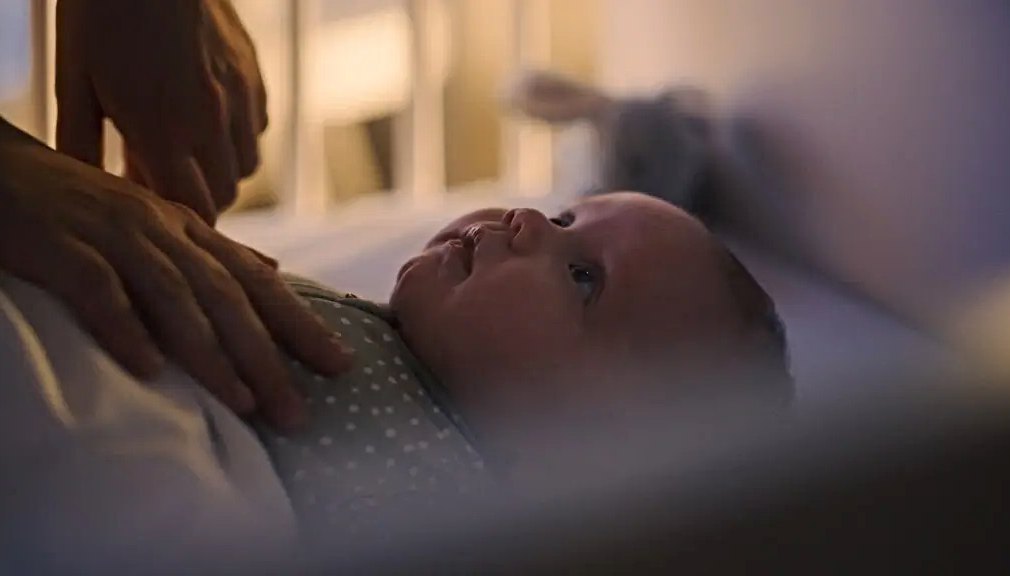
In fact, studies found that babies trained with CIO showed no differences in stress levels or attachment compared to babies who were not sleep trained.
The cry-it-out sleep training method typically works within 3 to 7 days. It’s fast, but it requires serious commitment from everyone in the household.
The Ferber Method Sleep Training
Among other sleep methods, Ferber is my personal favorite baby sleep training. It’s gentler than full CIO and still gets results relatively quickly. This approach is also called graduated extinction or check and console.
Here’s how the Ferber sleep training method works: you put your baby down awake and leave the room. Then you return at specific intervals to briefly reassure them. On the first night, you might check at 3 minutes, then 5 minutes, then every 10 minutes. Each subsequent night, you extend these intervals.
The beauty of the Ferber sleep method is that your baby knows you are still there. You are not abandoning them. You are just teaching them that they can fall asleep without being held. When I used Ferber sleep training with my second child, we saw improvement within four nights.
The Pick Up Put Down Method
The pick up, put down method is the gentlest baby sleep training method, but it requires the most patience. When your baby cries, you pick them up, soothe them briefly, and put them back down while they are still awake. You repeat this process as many times as needed until they fall asleep.
I found this method works beautifully for sensitive babies who become too distressed with crying methods. The downside? It can take several weeks to see results, and you will spend a lot of time going back and forth to the crib. If minimizing tears is your priority, then this is a favourable method for you.
The Chair Method (Fading Method)
The chair method involves sitting next to your baby’s crib until they fall asleep, then gradually moving your chair farther away each night until you are out of the room. This baby sleep training method typically takes about two weeks.

In my experience, the fading method works well for parents who can not stand the thought of leaving their baby alone. The challenge is that you have to sit there watching your baby fuss without intervening physically. It takes serious willpower.
Gentle Sleep Training (No Tears Method)
Gentle sleep training focuses on establishing a rock-solid bedtime routine and responding immediately when your baby cries. The key is always putting them back down before they fall asleep in your arms.
This approach takes the longest, often several weeks or even months. But if you are philosophically opposed to any crying, gentle sleep training might be your best bet.
How to Create a Baby Bedtime Routine
Before starting any baby sleep training method, first you have to establish a consistent bedtime routine. This is non-negotiable. Babies thrive on predictability, and a good routine signals that sleep time is coming.
Essential Steps for a Successful Bedtime Routine
I have found that the best baby bedtime routine includes the same activities in the same order every single night. Start about 30 minutes before you want your baby asleep. Here’s what worked for us:
First, give your baby a warm bath. The temperature drop afterward actually promotes sleepiness. Then put on baby night clothes and a fresh diaper. Keep the lights dim during these activities. This helps trigger melatonin production.
Bedtime Stories and Calming Activities
Next comes quiet time. Read bedtime stories for kids or sing a lullaby. Even tiny babies benefit from the soothing rhythm of your voice. I kept a few short bedtime stories on rotation. The repetition becomes comforting.
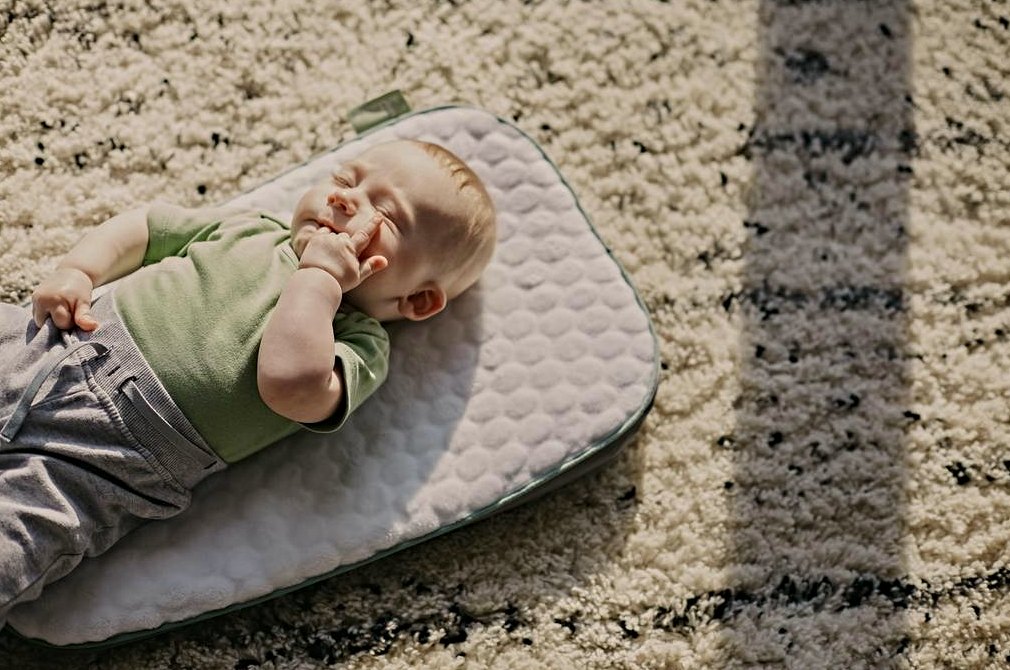
Finally, give a goodnight kiss, place a baby in the crib drowsy but awake, and leave the room. That last part is crucial for the success of sleep training. Your baby needs to practice falling asleep in their crib, not in your arms.
Tips for Successful Sleep Training
Choosing the Right Method for Your Family
The best baby sleep training method is the one you will actually stick with. I am serious about this. If the Ferber method makes you too anxious, try the pick up and put down method. If sitting in a chair drives you crazy, choose CIO. There’s no “perfect” method, only the right one for your family.
Consider your baby’s temperament too. Some babies escalate when you keep checking on them. Others find it reassuring. Pay attention to your baby’s signals during the first night or two.
Staying Consistent During Sleep Training
Once you choose a method, commit to it for at least one full week. I know it’s hard, especially around night three when your baby seems more upset than ever. That’s actually normal. Many babies protest harder before they get better.

Make sure your partner is on board. If one of you keeps breaking the plan, you will confuse your baby and drag out the process. The National Sleep Foundation emphasizes that inconsistency is the number one reason sleep training fails.
Common Challenges and Solutions
Sleep regression will happen. Around 4 months, 8 months, and 12 months, your previously great sleeper might suddenly start waking again. Do not panic. Stick with your routine and choose a baby sleep training method. These regressions usually last just a few weeks.
Teething, illness, and travel will also disrupt sleep. That’s life. Comfort your baby when they are truly sick or in pain, then return to your sleep training approach once they are better.
When Sleep Training Doesn’t Work
Here’s something nobody talks about enough: for about 20% of babies, traditional sleep training methods simply do not work. Your baby might have reflux, gas, or other medical issues interfering with sleep. Some babies have genuine separation anxiety that needs a gentler, slower approach.
If you have been consistent with a method for two weeks and see no improvement, talk to your pediatrician. There might be a chance that an underlying issue needs to be addressed first. Do not beat yourself up. This is not a reflection on your parenting.
FAQS
Is Sleep Training Harmful?
No, multiple studies have shown that sleep training causes no long-term psychological or emotional harm to babies, even when done at the appropriate age.
How Long Does Sleep Training Take?
Most baby sleep training methods show improvement within 3 to 7 days, though gentler approaches like pick up put down can take several weeks.
Can You Combine Different Methods?
Absolutely yes. Many parents use more than one method for baby sleep training, for example, using Ferber intervals with occasional pick-ups when needed.
What If My Baby Is Already One Year Old?
You can sleep train your 1-year-old. The methods are the same, though toddlers may take slightly longer due to increased separation awareness.
Conclusion
Choosing the right baby sleep training method is not about finding the method that works for most. It’s about finding what works for your unique baby as well as your family’s needs. I have seen the cry-it-out method work miracles for some families, while others are tired of the pick-up-put-down method.
The most important things are starting any method at the right age, staying consistent, and giving your chosen method enough time to work. Remember that teaching your baby to sleep independently is a gift and your baby’s first step to independence, not just for your own sanity but for your baby’s development. Trust yourself, trust the process, and maintain the consistency.
References
- American Academy of Pediatrics. (2022). “Healthy Sleep Habits: How Many Hours Does Your Child Need?” HealthyChildren.org. https://www.healthychildren.org/
- Centers for Disease Control and Prevention. (2023). “How Much Sleep Do I Need?” CDC.gov. https://www.cdc.gov/
- National Institute of Child Health and Human Development. (2024). “Safe Sleep and Your Baby.” NICHD.NIH.gov. https://www.nichd.nih.gov/
- National Sleep Foundation. (2023). “Children and Sleep.” TheNSF.org. https://www.thensf.org/
- Gradisar, M., et al. (2016). “Behavioral Interventions for Infant Sleep Problems: A Randomized Controlled Trial.” Pediatrics, 137(6). https://publications.aap.org/
- Price, A.M., et al. (2012). “Five-Year Follow-up of Harms and Benefits of Behavioral Infant Sleep Intervention.” Pediatrics, 130(4). https://publications.aap.org/