
I have spent years learning what actually works when you try to discipline a child, and honestly, most of it did not come from books. It came from real moments with kids. Some days were peaceful.
Others looked like spilled juice, loud arguments, and a child insisting they did not need a bedtime. Through all these experiences, here’s what I discovered: the best way to discipline a child is not about punishment.
It’s about teaching. It’s about connection. And it’s about understanding that kids learn from what we model, not just what we say. Below, I am sharing what I have learned, what I have practiced, and what genuinely helps children build responsibility, confidence, and cooperation.
Understanding Why It’s Important to Discipline a Child
In my experience, many parents confuse discipline with punishment. I used to think they were the same, too. But discipline literally means “to teach.” When we discipline a child, we’re guiding them toward better choices. Kids do not wake up knowing how to manage frustration, communicate their needs, or follow instructions.
They learn these skills with our help. Positive discipline protects children physically and emotionally. It teaches them to solve problems, respect others, and feel secure because they understand the boundaries around them.
Research supports this approach. The American Academy of Pediatrics emphasizes calm guidance over physical punishment because it leads to healthier outcomes for kids.
Positive Discipline Methods for Children
Over time, I have found that children respond beautifully to positive discipline. It builds trust. It keeps communication open. And it encourages cooperation rather than fear.
Set Clear Expectations and Consistent Rules
Kids do better when they know exactly what you expect. Instead of saying “behave yourself,” say “please put your toys in the box” or “use your indoor voice.” Clear instructions reduce confusion and prevent power struggles.
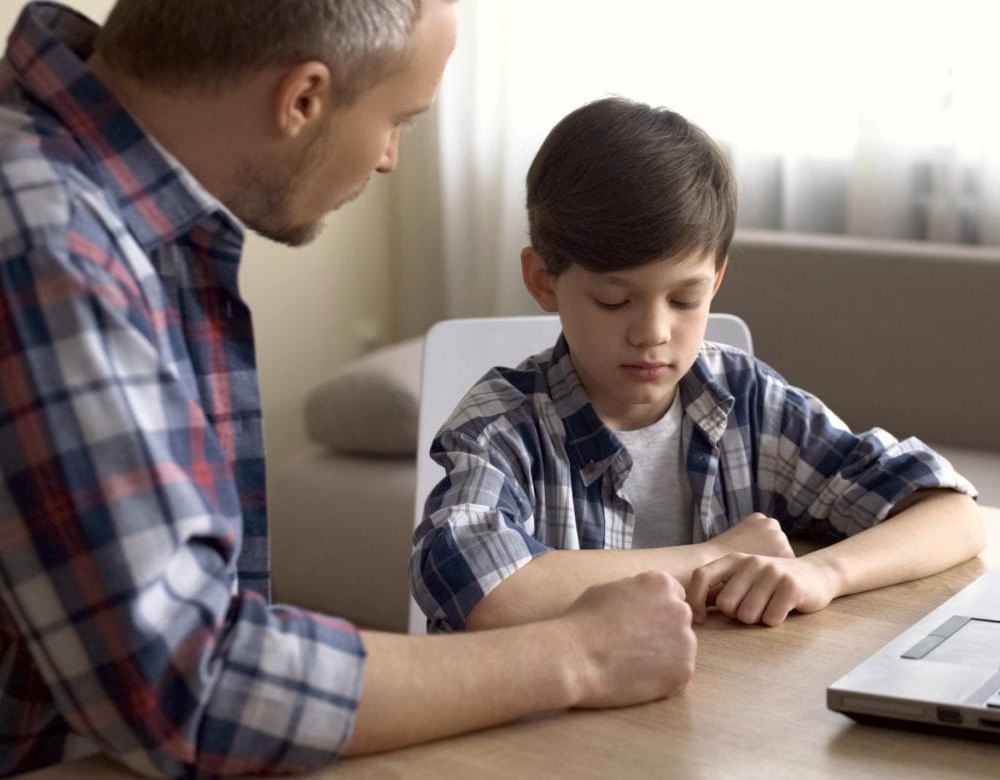
What I discovered is that consistent rules matter. Kids will test limits, and that’s normal. But when you stay consistent, even stubborn children learn that you mean what you say.
Praise Your Child to Encourage Good Behavior
I used to think that praising small things was unnecessary. But I learned quickly that praise is fuel for kids. When you highlight what they are doing right, they feel seen and valued.
If your child shares a toy or completes age-appropriate chores, acknowledge it. Say, “I noticed you helped without me asking. That was thoughtful.” Praise strengthens good behavior faster than punishment reduces bad behavior.
Use Calm and Natural Consequences
Natural consequences teach accountability. If a child throws a toy and it breaks, they learn that the toy will not be available anymore. If they leave their snack on the floor, ants might come. These small results guide them gently.
Calm consequences are different from punishments. It’s not angry attacks. They are simple, logical outcomes. When I use calm consequences, I speak briefly, stay composed, and follow through.
How to Discipline a Child Without Judgement
Judgment closes the door to learning. The connection opens it.
Talk to the Kid With Care and Respect
When a child misbehaves, I try to see the feeling behind the action. Maybe they are overwhelmed, hungry, or tired. Talking gently helps them feel safe enough to listen. Kids respond better when they feel heard.

Affirmation is powerful. Saying things like “I know you can try again” boosts confidence. Gentle instruction helps a child understand what you want without shaming them. For example, “Let’s try using words instead of yelling” gives them a clear path forward.
Effective Discipline Methods for Different Behaviors
Some behaviors need extra attention and patience.
Managing Bad Behaviour in Children
Bad behavior is usually a signal. In my experience, it comes from unmet needs. When I slow down and observe patterns, I often discover triggers like fatigue, frustration, or jealousy. Addressing the cause improves the behavior.
How to Discipline a Stubborn Child
Stubborn kids are often strong thinkers. They want to feel in control. Giving them small choices works wonders. Saying, “Do you want to clean up blocks or books first?” helps them feel empowered while still completing the task. Staying calm during their resistance prevents power struggles and teaches emotional control.
Age-Appropriate Discipline and Responsibilities
Discipline a child by matching expectations to their developmental stage. Kids thrive when responsibilities fit their abilities.
Age-Appropriate Chores to Build Responsibility
Simple chores like putting toys away, folding small towels, or feeding a pet give kids confidence. Children glow with pride when they finish a task and receive recognition. Chores teach discipline without force. They make kids feel capable.
Activities for Positive Redirecting
Sometimes kids act out because they are bored. Redirecting them toward creative toys, coloring, puzzles, or outdoor play shifts their energy. This approach works especially well with toddlers and preschoolers.
Smart and Healthy Way to Improve Child Discipline
Healthy discipline is a combination of structure, communication, and connection. I have learned that routines help children feel secure, while empathy teaches them how to manage emotions.
Discipline becomes easier when you shift from “controlling” to “guiding.” If you have any personal stories or examples from your own experience, tell me, and I will add them to strengthen this part.
What is the best way to discipline a child who keeps repeating the same mistake?
Give calm reminders, follow through with consequences, and praise even the smallest improvements.
How do I discipline a stubborn child without losing patience?
Offer choices, stay consistent, and keep instructions short so the child feels some control.
Should I ignore bad behavior sometimes?
Yes, if the behavior is harmless. Ignoring can reduce attention-seeking actions.
How often should I praise my child?
Praise often enough that your child feels seen. Focus on effort rather than perfection.
Conclusion
In my experience, the journey to discipline a child is not about perfection. It’s about patience, presence, and steady guidance. Children grow best in environments where rules are clear, emotions are understood, and mistakes are treated as opportunities to learn rather than reasons to fear punishment. When you use positive discipline, care, and consistent expectations, you help your child develop into a smart child who understands responsibility, empathy, and self-control. And that’s the real goal of child discipline.