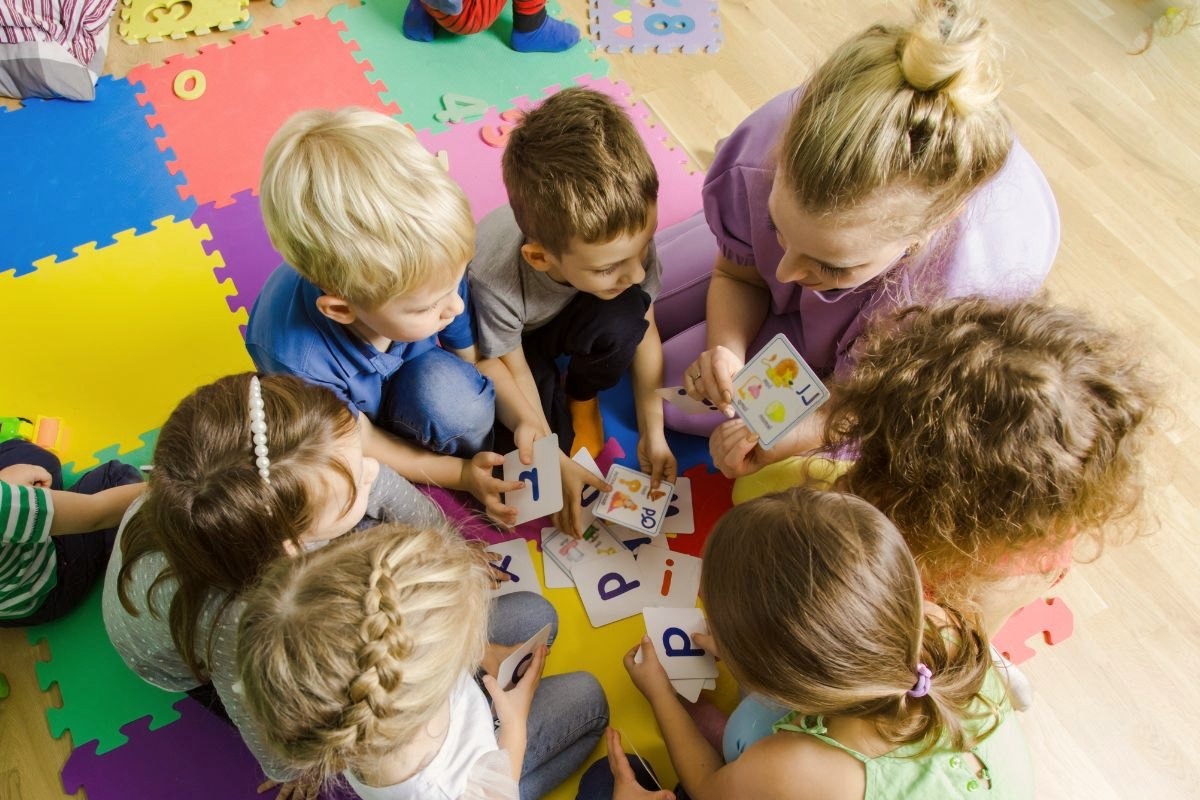
I have spent years watching young children transform in quality learning environments, and here’s what I have discovered: the first five years of a child’s life are absolutely magical for brain development.
Early childhood care and education is not just about keeping kids busy before “real school” starts. It’s the foundation for everything that comes after. Think about it. A newborn’s brain is roughly one-quarter the size of an adult brain, but by age five, it completes 90 percent of its growth.
What Is Early Childhood Care and Education
Early childhood care and education refers to formal and informal programs guiding children’s development from birth through age five. This includes structured preschool classrooms and home-based childcare settings.
In my experience, the best programs take a “whole child” approach. They nurture social and emotional development in early childhood alongside cognitive skills. Young children learn and develop best when they feel safe, supported, and genuinely curious.
When Should Children Start? Understanding the Right Age for Preschool
Parents often ask me about the right age to start preschool. Here’s what I tell them: children start learning from their environment even before birth. Education begins at home from day one.
Most structured ECE programs accept children between the ages of two and four. The key is not hitting a specific pre-nursery age. It’s finding a program matching your child’s developmental readiness.
How Young Children Learn and Develop Through Play
Here’s something that surprises many parents: play isn’t a break from learning. It IS learning. When a child builds blocks, they explore physics.
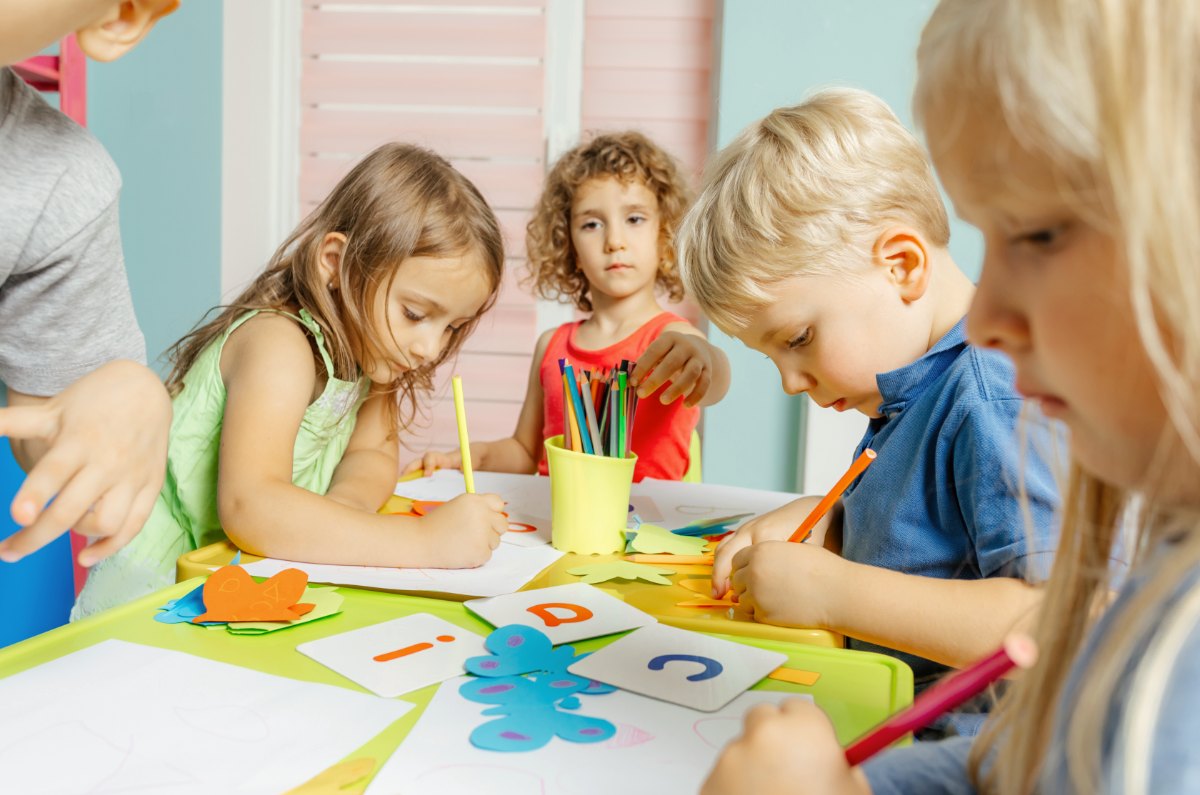
When they pretend to be doctors, they develop imagination and empathy.
Effective early learning childcare programs incorporate:
- Hands-on activities like art projects and science experiments
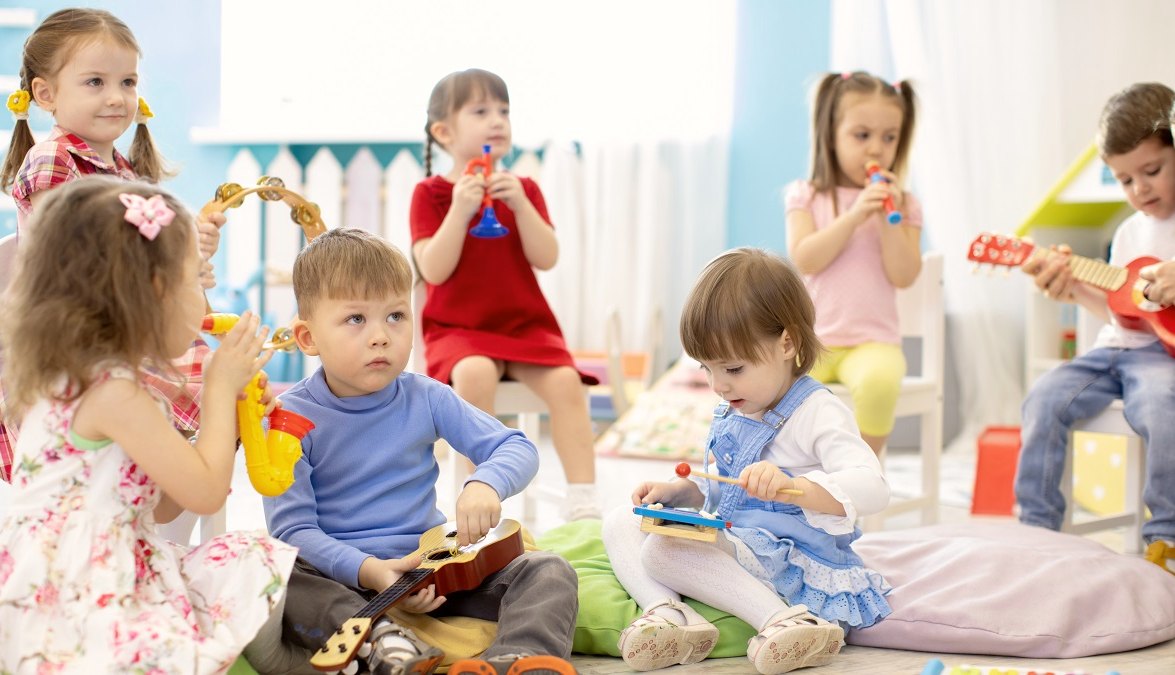
- Storytelling and music for language development
- Group projects teach cooperation and teamwork
- Imaginative play builds creativity and social skills
The Role of Early Childhood Education in Cognitive Development
Quality early childhood care and education programs prepare children for the kindergarten remarkably well. According to the CDC, about 12.5 million children participate in non-parental care weekly. That’s 3 in 5 children not yet in kindergarten.
Key cognitive benefits include:
- Problem-solving through age-appropriate challenges
- Pre-reading abilities via letter recognition and phonics
- Early math concepts like counting and shape recognition
- Critical thinking skills through exploration
Social and Emotional Development in Early Childhood
Beyond academics, early childhood education plays a crucial role in a child’s social growth. Young children interacting with peers learn to share, take turns, and resolve conflicts peacefully.
Building Child Wellbeing
A child’s well-being depends heavily on relationships with educators. When children feel supported, they develop trust, empathy, and effective communication. This emotional security creates resilience for handling social challenges throughout life.
How Quality ECE Programs Support Growth and Development of Children
Not all programs deliver equal results. The Learning Policy Institute identifies quality markers:
- Small class sizes with low student-teacher ratios
- Well-prepared, passionate teachers
- Research-based early childhood curriculum
- Meaningful family engagement
- Individualized attention for diverse learning needs
The best early childhood care and education programs recognize that every child is unique and adapt teaching methods accordingly.
Long-Term Outcomes for Young Children
Research on lifelong learning benefits is compelling. Children attending quality ECE programs show remarkable outcomes for young children from birth onward. They’re less likely to repeat grades, more prepared academically, and more likely to earn higher wages as adults.
Early childhood care and education also contribute to social cohesion and gender equality by giving all children equal opportunities regardless of background.
Early Care and Education as a Public Health Strategy
Here’s something often overlooked: early care and education is also a public health tool. Quality programs promote:
- Healthy eating habits
- Regular physical activity
- Limited screen time
- Support for breastfeeding mothers
This holistic approach recognizes that education support and child health go hand in hand in children’s development.
Early Learning Childcare Programs
When evaluating Montessori childcare or other programs, consider these factors:
- Educators demonstrating patience, creativity, and genuine passion
- Appropriate student-teacher ratios
- Curriculum approach balancing play and structure
- Warm, engaging environment encouraging curiosity
Quality education and care for children should feel nurturing, not rigid or overly academic. Trust your instincts when observing how teachers interact with young children.
What is the best age for a child to start preschool?
Most children are ready between ages two and four, but developmental readiness matters more than hitting a specific age.
How does early childhood education help with social skills?
Children learn sharing, cooperation, and conflict resolution through daily interactions with peers and guided play activities.
Is play-based learning as effective as academic instruction for young children?
Yes, research confirms that young children learn best through play because it engages multiple developmental areas simultaneously.
How can parents support early learning at home?
Read together daily, encourage imaginative play, ask open-ended questions, and create a language-rich environment.
Conclusion
Early childhood care and education shape children’s futures in surprising ways. From cognitive development to child emotional growth, quality ECE programs build the foundation for lifelong success. The first five years represent a critical window when the brain develops rapidly and children form lasting habits.
By investing in quality early learning experiences, we give children the tools they need to thrive academically, socially, and emotionally. Whether through structured preschool programs or thoughtful care for children at home, every positive interaction contributes to a child’s development and future potential.