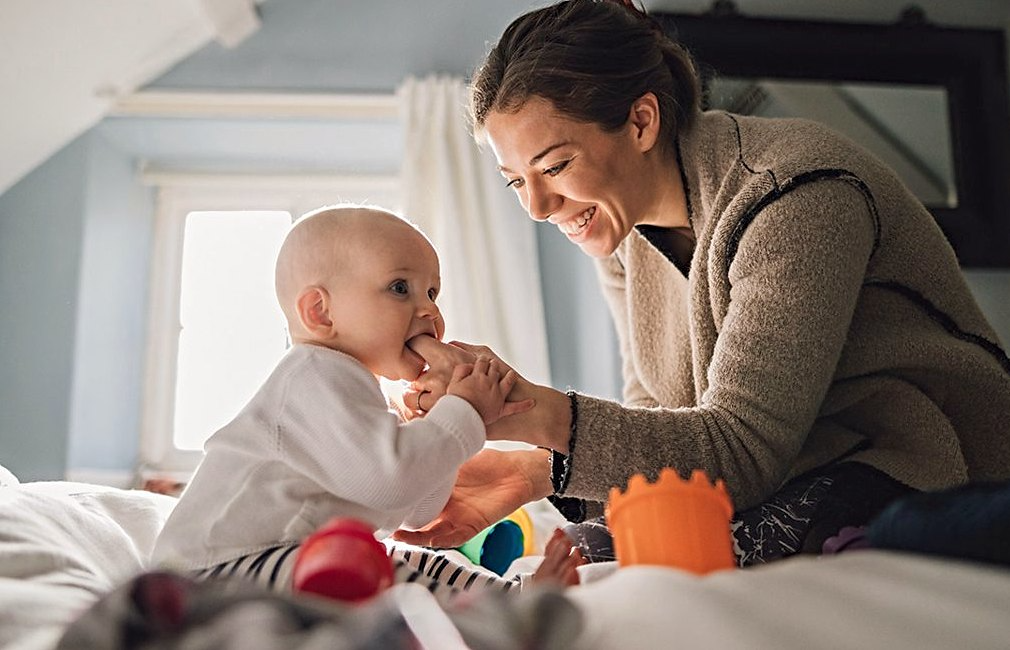
Every parent waits for the magical moment when their child says first word. Language development in children is one of the most fascinating parts of early childhood because it reflects how the mind, emotions, and social skills grow together.
From cooing in infancy to holding conversations in school age, speech and language development show how children make sense of their world. Understanding language development stages and speech milestones helps caregivers support healthy growth and recognize potential difficulties early on.
What is Language Development?
Language development in children refers to the process through which they acquire the ability to understand, produce, and use language for communication. It includes both speech development milestones, first words like babbling, and broader language skills, such as grammar, vocabulary, and comprehension.
Psychologists describe it as the ability to acquire a language system that grows steadily during infancy, early childhood, and school years.
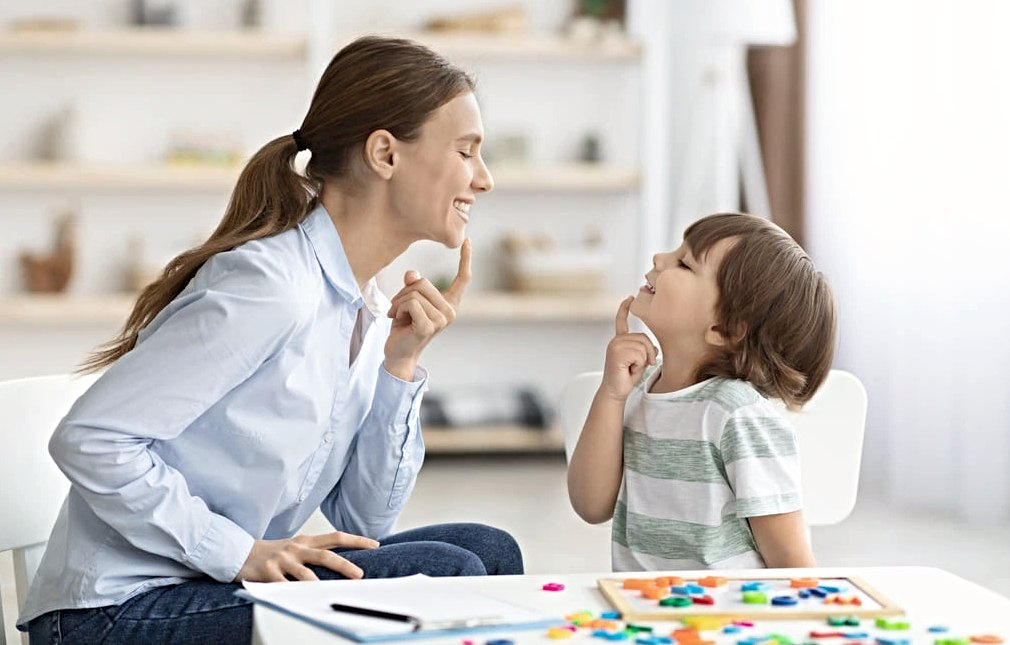
Why is Language Important for Children’s Learning?
Language development in children is directly linked to academic performance. Effective language learners improve their reading, writing, and problem-solving abilities. Their development of spoken language enables kids to interact meaningfully with peers, teachers, and course materials.
Many kids find it difficult to keep up with their education if they don’t meet significant language milestones. Language acquisition, or learning a language, is regarded as a crucial stage that connects communication and thought.

The Role of Language in Social and Emotional Growth
Language development in child psychology highlights how communication builds relationships. When a child acquires a language, they gain the ability to express emotions, share ideas, and interact socially.
Social conversations during preschool years, storytelling, and role-play encourage not only language acquisition but also empathy and confidence. In this way, speech and language development directly shape emotional growth and self-image.
Stages of Language Development in Children
Language development in children happens step by step as children grow. Each stage helps the child to move from simple sounds to full communication.
Infant Stage (0–12 months)
Language development begins right from birth. After birth, when a baby first cries, it is considered their early mode of communication. During the first few months of life, babies enter the stage of babbling, where they begin to keep repeating sounds and play with sounds and simple syllables like “ba-ba” or “pa-pa.”
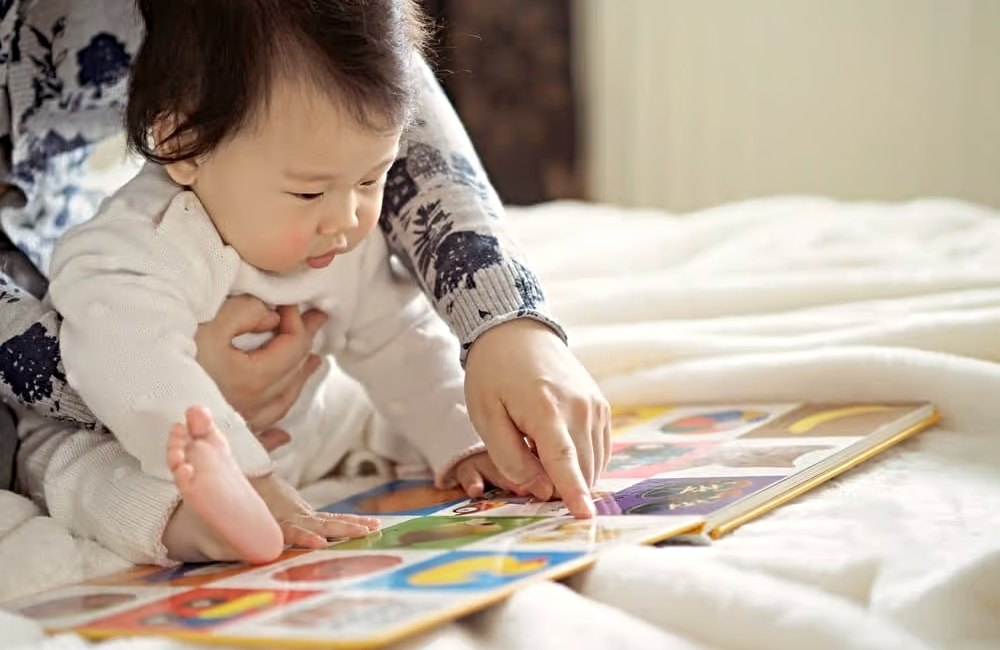
Infants around 9, 10, and 12 months old start to recognize and respond to sounds and words with which they are familiar. Such as “mama” or “bye-bye.” This period of language development in children is a critical foundation for later speech, as during this stage, babies learn voices around them and follow what they hear.
Toddler Stage (1–3 years)
During the toddler stage, the process of language development in children grows fast. The child’s vocabulary grows from fifty to two hundred words. Children combine words and join them to make short sentences, such as “I want milk” or “give me this.”

Using words to suit their requirements, this stage demonstrates how toddlers learn language via trial and error. Speech milestones for a 2-year-old include naming objects, speaking up, and asking simple questions.
Preschool Stage (3–5 years)
Preschoolers experience major growth in oral language development. In talks, they start using grammar correctly, telling short stories, and asking endless “why” questions.
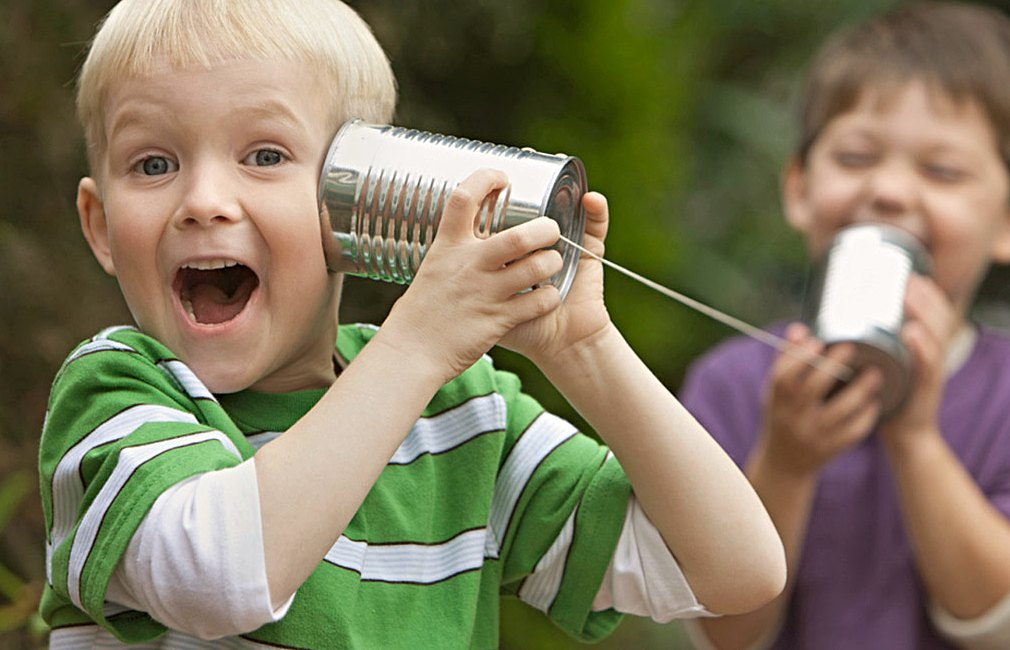
At this age, children acquire language structures that allow them to engage in group conversations and role-play activities. The preschool years also point out the connection between speech development milestones and social skills.
School Age (5–8 years)
Language development in children during school age shows a change to more advanced and deeper thinking. Children connect spoken language with reading and writing abilities, and sentences get longer and more complex.

At this point, children’s speech and language development helps them in their academic learning as they pick up new words, practice them, use language to reason, and make sense of metaphors or jokes.
Speech and Language Developmental Milestones
Every child has their own ability to develop language. However, milestones depict the improvements and progress of language development in children.
What Are Language and Speech Milestones?
Language milestones are the steps children achieve in understanding and using words. Speech milestones are more about how clearly they can say sounds.
Both are important. For example, a baby’s babbling, a toddler’s first sentences, and a preschooler’s storytelling are all part of these milestones.
Speech Development Milestones vs. Language Milestones
Speech development in children is about sounds and clarity—whether a child can pronounce “r” or “s.” Language development is broader. It’s about vocabulary, grammar, and the ability to use words in conversation. A child might speak clearly but not have many words—that’s a difference parents should know.
When to Get Help for Delayed Speech or Language
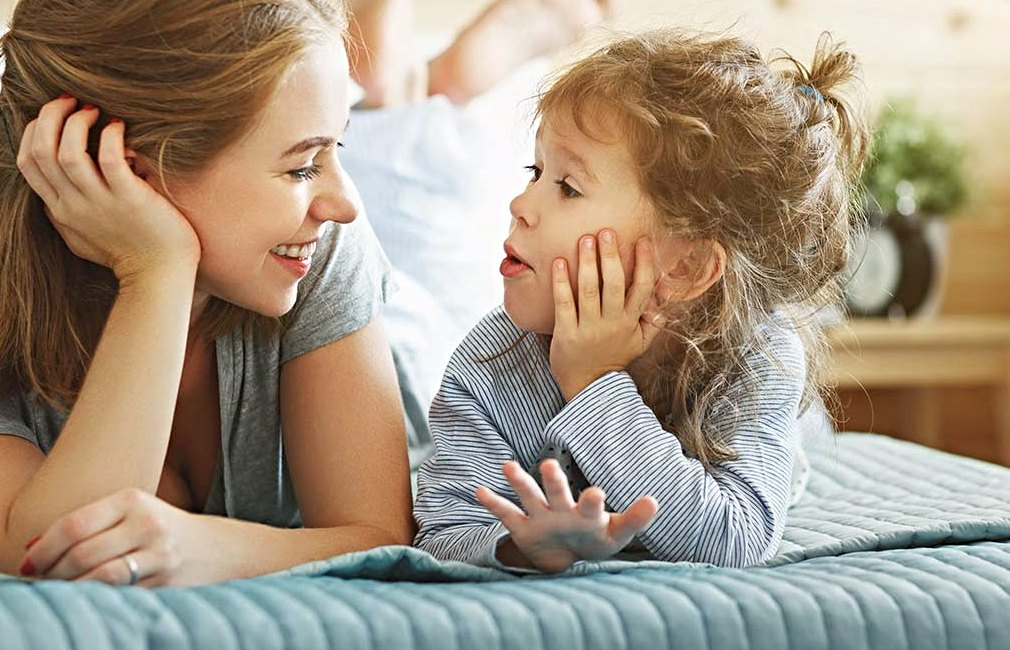
Some children take a little longer to talk, but certain delays may need professional help. If a child is not babbling by 12 months, not saying two-word phrases by age 2, or still has unclear speech after 4, parents should consult a speech therapist. Early support makes a big difference.
Core Areas of Language Development
Language development is not just about talking. It consists of several areas that together help them to understand, express, and use language effectively in daily life.
Phonology (Sounds of Language)
Phonology deals with the sounds of language and is a key step in language development in children. At this stage, children begin to recognize and use sounds that later help them form words and communicate clearly.
Semantics (Meaning of Words)
Semantics involves learning words and understanding what they mean. This part of language development is just as important as other areas for effective communication and reading abilities.

Grammar & Syntax (Rules of Language)
Grammar helps children combine words into complete and meaningful sentences. This skill is typically practiced during the preschool years as children learn to form longer and more complex sentences.
Pragmatics (Using Language in Social Contexts)
Pragmatics refers to using language in real-life situations like talking, storytelling, and interacting with others. Children develop this ability by learning how to adjust their language based on the audience, show politeness, and take turns in conversations.
Oral Language Development
Oral language development includes speaking, listening, and understanding. In infancy, language development starts, such as cooing, and continues into the school years with storytelling. Some activities for language development, including nursery rhymes, reading, and conversations, promote stronger oral skills development in children.
Factors Influencing Language Development
Many factors affect language development in children; by understanding these factors, parents can easily monitor their progress.
Age and Developmental Stage
Language development and speed of speech depend on the child’s age and developmental preparation. Each stage has milestones that depict the natural growth.

Home Environment and Parenting Style
Children who grow up in environments rich in conversation, reading, and singing acquire language more quickly. A nurturing environment and parenting style play a significant role in achieving speech development milestones.
Social and Cultural Influences
Children who are initially exposed to bilingual environments, such as when the mother and father speak different languages it may take longer to reach some milestones, but they gain advanced language skills later.
Cognitive and Learning Environment
An environment with books, toys, and play-based learning during learning strengthens language acquisition. Early language strategies such as asking questions or encouraging storytelling via personal or learnt support this growth. Thus, the learning environment plays a significant role in early language development in children.
Effect of Bilingualism
Bilingual children may mix words from different languages initially, but research shows bilingualism enhances cognitive flexibility and long-term language development.
How to Encourage Early Language Development
Parents play an important role in the development of language in their children. Some daily interactions, like talking, reading, playing, and rhymes, play an important role.
Talking With Your Child
Everyday conversations, even with infants, build strong speech development. Mostly, naming objects and describing daily activities help them acquire language development.
Reading Together and Storytelling
During reading, children are introduced to new words and their meanings in different contexts. Storytelling introduces children to characters and their roles. By reading the same things together, you can help them understand different words in a language.
Nursery Rhymes and Play
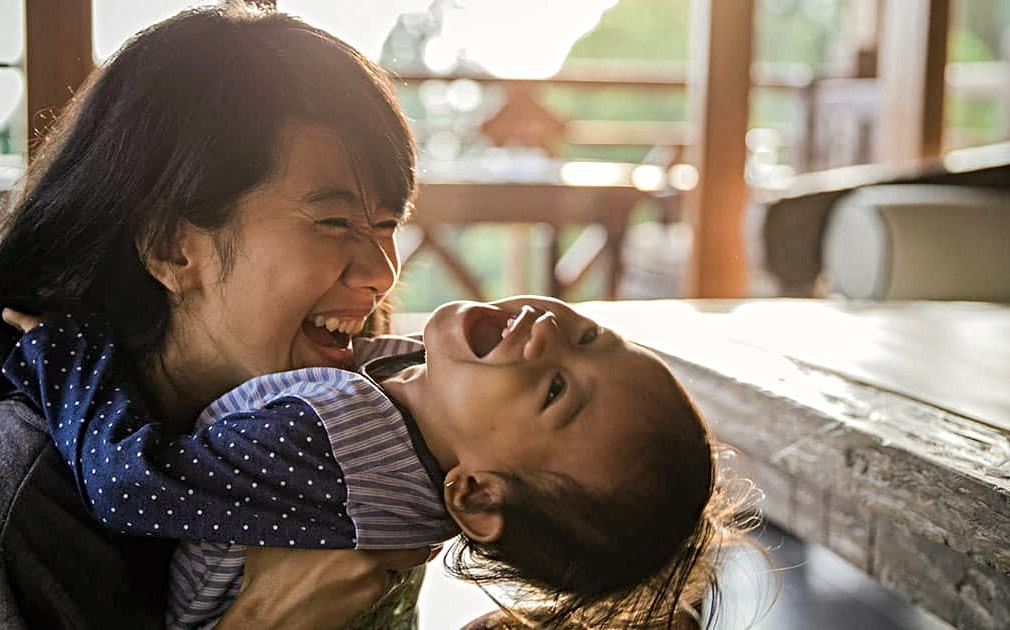
Rhymes and plays improve awareness about listening to sounds and words. Children learn rhymes and take an interest in rehearsal plays; these little things help in development.
Encouraging Conversation and Turn-Taking
Giving children opportunities to answer questions and share ideas, and allowing them to share their personal stories and ask “why,” develops oral language skills and strengthens speech milestones. It also improves reasoning abilities.
Importance of Supporting Language Development
Communication is the foundation for learning, expressing, and making social interactions. Supporting it early helps children manage relationships and succeed in the education field.
Early Literacy Development
Language development directly affects academics. If a child can communicate but not clearly, it’s a sign that the child is ready to go to school to proceed with further learning.
Language Skills and Academic Success
It is said that “children who start talking earlier have strong memories.” By acquiring language, a child’s learning abilities become activated and help them cover more syllabus, which leads to academic success.
Long-Term Benefits for Communication and Social Growth
All over the world, the first and general medium for communication is words. A person, whether adult or child, can’t communicate unless they have a grip on the required language. Language development in children ensures lifelong benefits by developing the communication skills that automatically lead to social growth.
Recognizing Problems in Language Development
Noticing delays and difficulties early can make a big difference. If parents detect the signs of delay or any disorder in their child. This guidance can help both parents and children resolve the issues.
Signs of Speech Delay
Children who are late in meeting language milestones for at least 2 years are considered to have some learning and speech disability. These incomplete milestones are signs of language delay.
Speech vs. Language Disorders: The Difference
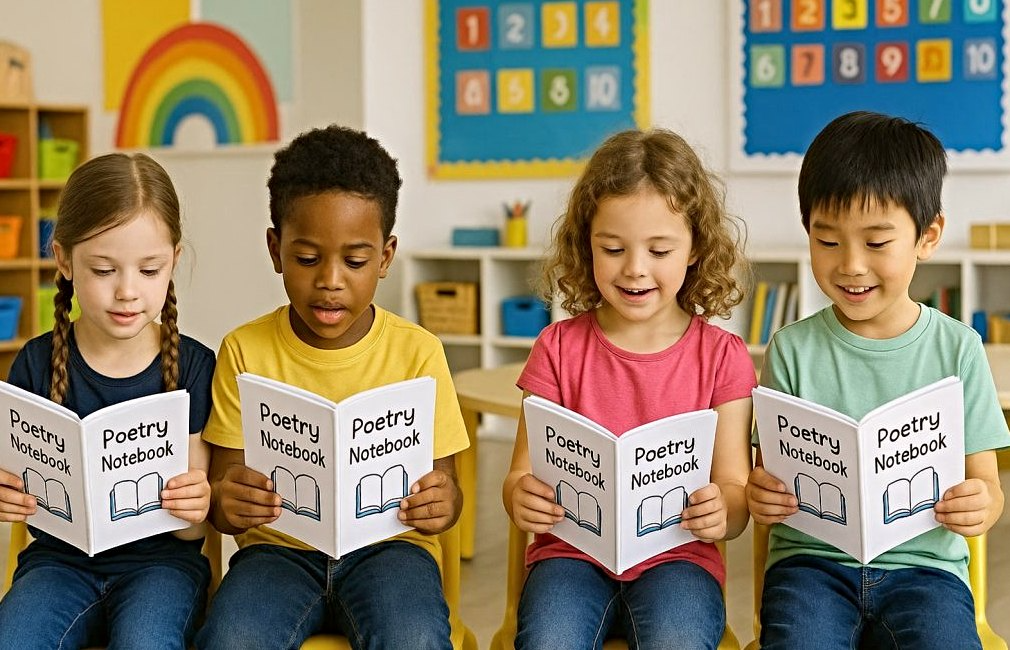
In speech disorders, children know what they want to say, but they face difficulty in asking or pronunciation.
For example, they said “cat” instead of “hat.” In language disorder, children can pronounce correct words, but they have difficulty with sentence structure, grammar, and vocabulary. Both of them affect child development in different ways.
When to Seek Professional Help
Professional evaluation is now crucial for children who routinely miss developmental milestones on a speech and language chart. Early intervention is key to overcoming delays.
Frequently Asked Questions (FAQs)
How do children really develop language?
Language development in children begins with sounds and gestures, then grows into words and sentences. Each stage strengthens early learning and communication skills.
What role do milestones play in learning?
Milestones act like checkpoints. They indicate whether a child is progressing normally or requires early support to develop better communication skills.
Does language learning affect social success?
Yes, a child with strong communication skills finds it easier to make friends, join in play, and express feelings without much struggle.
Which stage matters most in language growth?
Honestly, the toddler stage feels the biggest jump. That’s when you hear first words, little phrases, and it really kicks off social growth.
Conclusion
Language development in children is a lifelong process that begins at birth and lasts through school. From the babbling stage to reading and storytelling, every stage of speech and language development has its milestones.
Parents and other carers can foster strong oral language skills by supporting early language practices, including singing, reading, and speaking. In addition to ensuring academic achievement, a child’s speech development also increases their emotional and social self-confidence. Children’s identity and future are shaped by every word they learn.