Understanding Aggression in Children
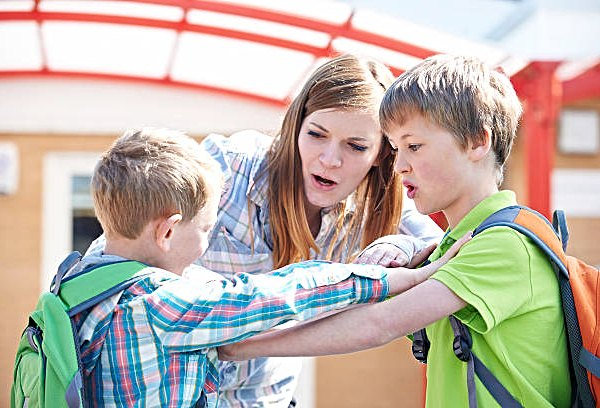
Aggression in children shows in various forms; some kids yell, some hit, while others might throw things or engage in constant arguing. Child aggression is not simply “naughtiness”; it’s usually the child’s way of expressing emotions they cannot manage. Sometimes a frustrated child reacts with anger outbursts instead of words.
At other times, an aggressive toddler bites or pushes because they have not yet developed the language to express what they feel. Parents need to see these behaviors not just as problems but as signals that something deeper might be going on in the child’s personality or environment.
What Is Aggressive Child Behavior?
So, what really counts as aggressive child behavior? It’s not just a stubborn child refusing to eat vegetables. It’s patterns like frequent anger outbursts, violent child actions, or hostile aggression. Sometimes aggression in children is expressed in physical form, like hitting or biting; other times it’s emotional (name-calling, threats).
Even a disobedient child who constantly argues is showing a form of child aggression. And trust me, I have seen how these behaviors can affect school, friendships, and even the child’s personality over time.
When Is Anger and Irritability a Concern?
Every kid gets cranky, hungry, tired, and overstimulated—it happens. But when anger in kids turns into daily outbursts, parents need to pause. A frustrated child slamming doors once in a while? Normal. A child screaming, hitting, and losing control every day? That’s a concern.
Aggression in children affects not only the child but the whole family. For example, a little boy would throw chairs whenever things did not go his way. It is not just stubborn child behavior; it is a cry for help.
Causes of Aggressive Behavior
Aggression in children does not appear out of thin air. There are always reasons. Sometimes it’s emotional triggers, other times family stress, and developmental issues like ADHD in kids. A disobedient child is not “spoiled” all the time—they might be struggling with poor decision-making. Causes of aggression can be a combination of frustration, lack of attention, and even too much harsh punishment.

Emotional Triggers: Frustration, Anger, and Poor Decision Making
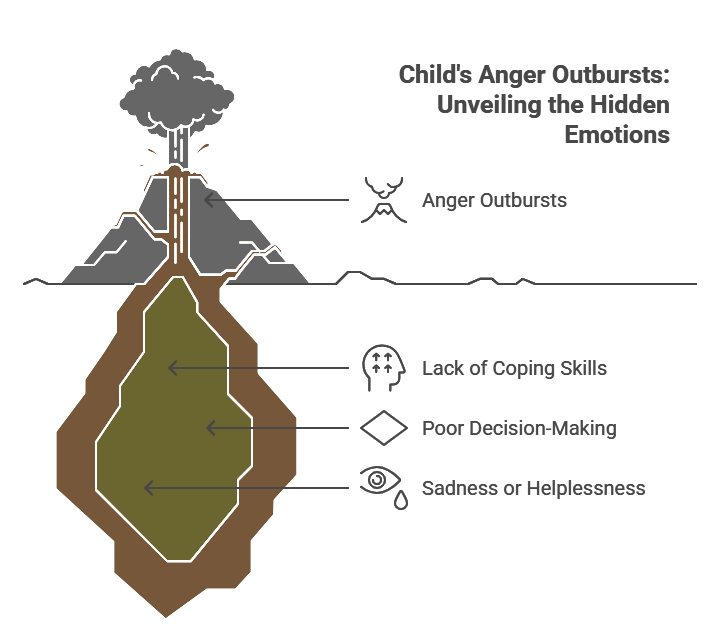
A frustrated child is like a little volcano. Pressure builds, then—boom—anger outbursts. Emotional outbursts often occur because children lack the skills to cope with disappointment. Poor decision-making makes it worse. Instead of using words, a disobedient child might scream, hit, or run away.
I have seen stubborn child tantrums that lasted hours, and you know what? Underneath all that aggression in children is usually sadness or helplessness.
Family and Environmental Risk Factors
Let’s be honest, kids learn a lot by watching us. If they see shouting, threats, or harsh punishment, chances are they will copy. Family conflict and stress create an environment where aggressive behavior feels “normal” to a child. Lack of supervision also plays a role; a child left without guidance is more likely to test limits.
On the other hand, when parents model prosocial behavior, including kindness, patience, and emotional control, the chances of hostile aggression are reduced. I have seen families where one small change, calmer communication, changes the stubborn child’s behavior completely.
Behavioral and Developmental Disorders (ODD, CD, ADHD, DMDD)
Sometimes aggression in children is linked to disorders. ADHD in kids often leads to poor impulse control—cue emotional outbursts. Oppositional Defiant Disorder (ODD) can make a child extremely disobedient and argumentative.
Conduct Disorder (CD) might involve more violent child behavior like bullying. Kids with Disruptive Mood Dysregulation Disorder (DMDD) often stay irritable and have frequent anger outbursts. Child aggression in these cases is not just “misbehavior.” It’s part of a challenge that needs early help and proper therapy.
Signs and Symptoms
Parents usually notice the small things first. A stubborn child who argues, a frustrated child who throws toys, or anger outbursts that seem bigger than the situation. Aggressive behavior shows up in patterns, and when those patterns keep repeating, it’s a sign. Emotional outbursts, disobedient child routines, violent actions, or even relational aggression—these are all signals. Most of the time, parents are the first ones to notice the signs.
Outbursts of Anger and Emotional Explosions
Outbursts of anger are one of the clearest symptoms of child aggression. Emotional outbursts might include screaming, kicking, or breaking things. Anger in kids is normal sometimes, but when it’s constant, it points toward child anger issues. Some families are scared of their own child’s anger outbursts—and that’s heartbreaking.
Stubborn and Disobedient Child Behavior
Every child says “no” sometimes. However, a stubborn child who constantly refuses, argues, or disobeys may exhibit signs of deeper behavioral struggles. Disobedient child behavior often turns into aggression when parents respond with equal anger. That cycle—child acts out, parent yells, child escalates—is one I have seen too many times. Breaking it takes patience.

Violent or Hostile Aggression in Young Children
Some kids go beyond yelling. Violent child behavior like hitting, biting, or pushing is more serious. Hostile aggression, where a child wants to hurt or scare, needs urgent attention. Aggression in young children can grow into long-term problems if ignored. I know it’s hard to admit your child is violent sometimes, but acknowledging it is the first step to helping.
Helping Your Child Manage Aggression
Now comes the hopeful part. Aggression in children can be managed. Helping your child does not mean controlling them—it means guiding them. Parents need to focus on prosocial development, emotional regulation, and yes, supervision. Child aggression does not disappear overnight, but with consistent support, kids learn better ways to express themselves.
Positive Discipline vs. Punishment
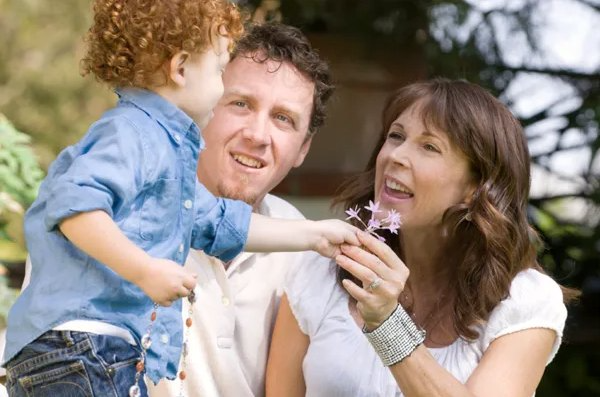
Here is the truth: punishment may stop aggression in the moment, but it does not teach. Positive discipline, on the other hand, guides. A disobedient child learns more when you explain calmly than when you shout. Prosocial behavior grows faster when kids see parents modeling it. Positive discipline builds trust, while punishment often adds to frustration and poor decision-making.
10 Tips to Prevent Aggressive Behavior in Young Children
1- Teach your family’s rules clearly.
2- Avoid threats because these fuel child anger issues.
3- Use healthy distractions with a frustrated child.
4- Praise good behavior often.
5- Use time-outs sparingly, not as a main tool.
6- Stay calm; your child mirrors your temper.
7- Encourage exercise and play to reduce aggression.
8- Model prosocial behavior in daily life.
9- Be consistent—mixed signals confuse kids.
10- Control your body language; it speaks louder than words.
When to Seek Professional Help
Sometimes parents cannot handle it alone, and that’s okay. Getting the right support really helps. Pediatricians and child therapists often play a significant role, and sometimes early intervention programs can prove beneficial.
In many cases, therapies like CBT, family therapy, or even parent training sessions have shown good results in helping kids manage aggressive behaviors. If your child’s anger outbursts, hostile aggression, or disobedient behavior are affecting daily life, seek help. It’s not failure; it’s smart parenting.
Prevention and Long-Term Outcomes
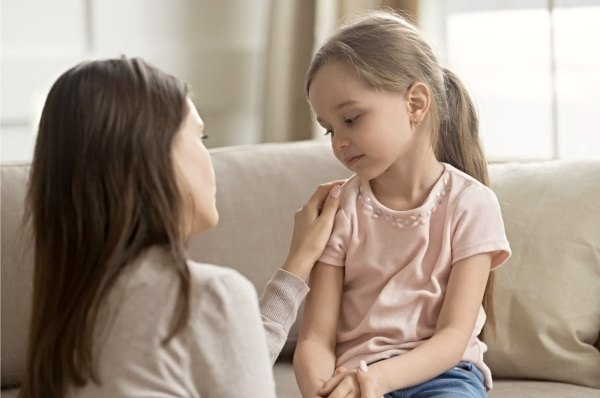
Prevention is better than crisis management. Encouraging prosocial development by early teaching kindness, patience, and empathy reduces aggression in children. Building a supportive family environment keeps stubborn child behavior from escalating. Often, kids who learn emotional regulation grow into healthier, happier adults.
Frequently Asked Questions (FAQs)
Q1. What are the common signs of aggressive child behaviour?
Aggressive child behavior often shows as yelling, breaking things, or hitting others, which parents should notice early.
Q2. What causes aggressive child behaviour in kids?
Aggression in children develops due to stress, family conflicts, or lack of attention.
Q3. How does aggression in children affect school performance?
Aggression in children makes it hard for children to focus and weakens their bond with teachers and classmates.
Q4. How can parents manage aggressive child behaviour at home?
Parents can reduce aggressive child behavior with patience, positive reinforcement, and open communication.
Conclusion
Kids can be stubborn, frustrated, or even lash out sometimes. It feels hard in the moment, but it does not mean they will always be this way. Aggression generally means that a child is struggling with something inside. With a bit of patience and consistent support from outside help, the kids can manage and figure out healthier ways to handle their feelings.
Key Takeaways for Parents
- When kids act out, it is usually an expression of what they are struggling with inside.
- Emotional triggers, family stress, and developmental disorders are common causes.
- Positive discipline works better than punishment for child aggression.
- Watch for anger outbursts, stubbornness, and violent child behavior.
- Early intervention and prosocial behavior modeling lead to better outcomes.