
Postpartum self care encompasses everything you do to support your physical, emotional, and mental recovery after giving birth. I have seen too many mothers push through exhaustion and pain because they think caring for themselves means neglecting their baby. The truth is, taking care of yourself directly impacts your ability to care for your newborn.
What is Postpartum Self-Care Care
The postpartum period, often called the fourth trimester, lasts about 12 weeks after delivery. During this time, your body undergoes massive changes while you navigate sleep deprivation, hormonal shifts, and the demands of a new baby. According to the American College of Obstetricians and Gynecologists, postpartum care should be an ongoing process, not just a single checkup.
Physical Recovery After Birth
Managing Pain and Discomfort
Your body has just accomplished something incredible, and now it needs time to heal. I have found that women often underestimate how much physical discomfort they will experience after delivery. Whether you had a vaginal birth or a cesarean section, pain management becomes essential to your recovery.
Effective pain relief methods include
- Sitting on padded rings to relieve pressure
- Using ice packs on your perineum for swelling
- Applying cool witch hazel pads between a sanitary pad and the perineal area
- Spraying warm water with a peri bottle during bathroom visits
- Taking warm sitz baths for 15 to 20 minutes several times daily
- Using over-the-counter pain relievers as approved by your doctor
Supporting Your Body’s Healing Process
Vaginal bleeding after birth is completely normal and can last four to six weeks. The discharge starts bright red, then gradually turns darker before becoming yellow or white. I always tell new mothers to stock up on heavy-duty menstrual pads and avoid tampons during this period.
Key recovery strategies
- Eat fiber-rich foods like fruits, vegetables, and whole grains for constipation
- Drink plenty of water throughout the day
- Use stool softeners as recommended by your healthcare provider
- Practice Kegel exercises: tighten pelvic muscles for three seconds, relax for three seconds
- Work up to 10 to 15 repetitions at least three times daily
- Wear supportive underwear for gentle abdominal compression
Emotional and Mental Wellbeing
Recognizing Baby Blues vs. Postpartum Depression
Most new mothers experience baby blues within the first two weeks after delivery. I remember feeling weepy, anxious, and overwhelmed during those early days. These feelings typically resolve on their own within two weeks as your hormones stabilize.
Postpartum depression is different and requires professional attention. The symptoms are more severe and persistent. You might experience intense mood swings, difficulty bonding with your baby, or thoughts of harming yourself or your child.
| Baby Blues | Postpartum Depression |
| Appears within first 2 weeks | Can start anytime in first year |
| Mild mood swings and crying | Severe, persistent sadness |
| Resolves within 2 weeks | Lasts weeks or months without treatment |
| Does not interfere with daily tasks | Difficulty caring for baby or self |
| No thoughts of self-harm | May include thoughts of harm |
Warning signs requiring immediate help
- Symptoms lasting beyond two weeks
- Inability to care for your baby or complete daily tasks
- Loss of appetite or extreme fatigue
- Lack of joy in activities you once enjoyed
- Thoughts of self-harm or harming your baby
Contact your healthcare provider immediately if you recognize these signs. The National Institute of Mental Health provides excellent resources on perinatal mood disorders.
Building Emotional Resilience
The transition to motherhood challenges everything you thought you knew about yourself. Your routines, relationships, priorities, and identity all shift dramatically. I have learned that acknowledging this struggle is the first step toward building resilience.
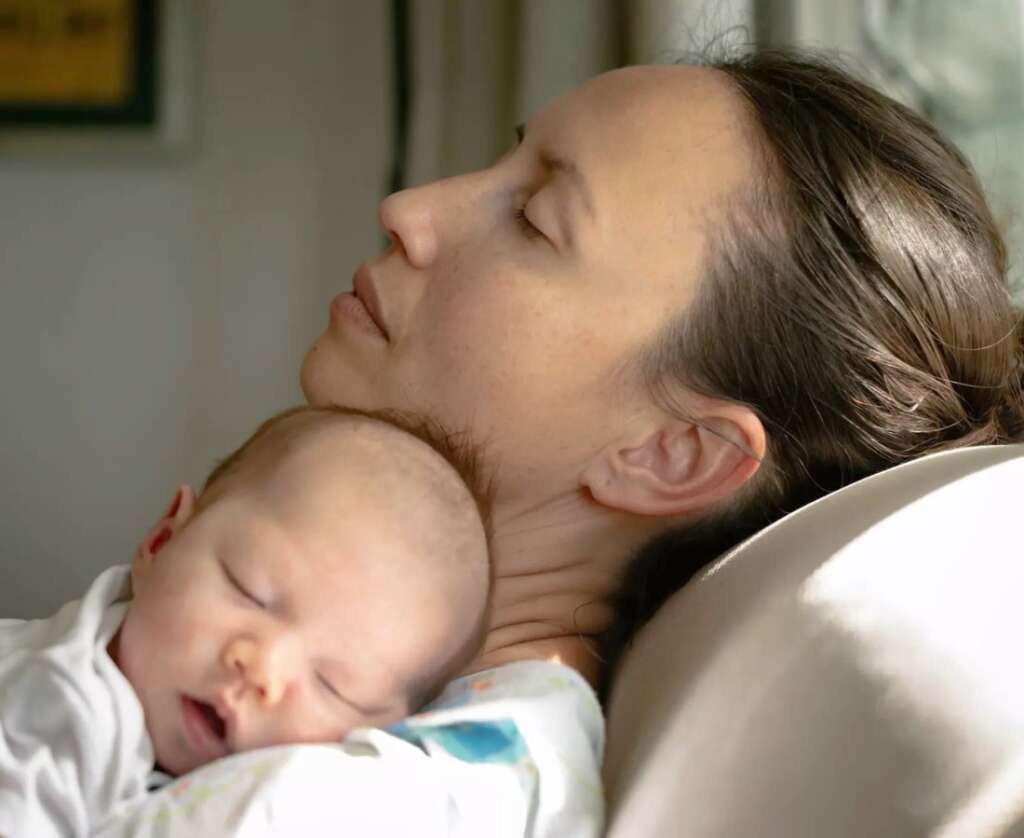
Permit yourself to grieve what you have lost. It is okay to miss uninterrupted sleep, spontaneous outings with friends, or your pre-pregnancy body. These feelings do not mean you love your baby any less or that you are failing as a mother.
Essential Postpartum Self-Care for Mothers
Creating Your Self-Care Routine
Postpartum self-care for mothers starts with recognizing that your needs matter just as much as your baby’s needs. I have discovered that even five minutes of intentional self-care can reset your entire day. The key is making it non-negotiable rather than something you squeeze in if time allows.
Simple daily self-care ideas
- Take a 20-minute uninterrupted shower or bath
- Read one chapter of a book
- Practice 10 minutes of gentle stretching
- Listen to your favorite music
- Journal about your feelings
- Sit in your calm space with a candle or comforting items
Finding Time for Yourself
The biggest challenge with postpartum self-care is finding the time to actually do it. I always recommend setting a weekly alarm on your phone to check in with yourself. Ask yourself how you are really feeling and what you need to get through the coming week.
Communicate clearly with your partner, family, and friends about your needs. People want to help but often do not know how. Be specific about what would be most helpful, whether that is holding the baby while you nap or picking up groceries on their next visit.
Setting Healthy Boundaries
Learning to say no becomes essential during the postpartum period. You do not have to host Thanksgiving dinner just because you always have. You do not need to answer every phone call from well-meaning relatives when you are exhausted and need sleep.
Boundary-setting examples
- Limit visitor duration and frequency
- Wait a few weeks before allowing visitors if needed
- Block off certain days for rest and family bonding
- Turn off your phone during nap times
- Decline social obligations without guilt
- Ask visitors to help with tasks rather than just hold the baby
Building Your Support System
Asking for Help Without Guilt
Every mother needs assistance during the postpartum period, yet many of us struggle to ask for it. We worry about being a burden or failing as parents. In my experience, asking for help is one of the strongest things you can do for yourself and your baby.
Tasks to delegate
- Holding the baby while you shower or nap
- Running errands like grocery shopping or pharmacy trips
- Preparing and delivering meals
- Doing laundry and light housework
- Caring for older siblings
- Walking the dog or other pet care
Join a new mothers’ group in your community or online. The Office on Women’s Health offers resources for finding local support groups.
Connecting with Your Partner
Your relationship with your partner faces new challenges during the postpartum period. Between sleep deprivation, physical recovery, and caring for a newborn, intimacy often falls to the bottom of the priority list. Yet maintaining this connection is crucial for both partners’ well-being.

Schedule regular check-ins with your partner to discuss how each of you is feeling. Talk about division of household tasks, who handles which baby care responsibilities, and what support each of you needs. Approach disagreements as problems to solve together rather than character flaws to fix in each other.
Daily Self-Care Practices
Rest and Sleep Strategies
Sleep deprivation is perhaps the hardest part of the postpartum period. I cannot overstate how much better you will feel with adequate rest. The old advice to “sleep when the baby sleeps” sounds impossible when you have laundry, dishes, and a thousand other tasks calling your name.
Sleep prioritization tips
- Nap when your baby naps instead of doing chores
- Take turns with your partner for nighttime feedings
- Accept help from family for overnight shifts
- Go to bed earlier rather than staying up for alone time
- Consider hiring a postpartum doula for night support
- Keep your bedroom dark, cool, and comfortable
Nutrition and Hydration
Eating well and staying hydrated often fall by the wayside when you are caring for a newborn. I have been there, realizing at 3 PM that I have not eaten anything all day. Your body needs proper nutrition to heal, produce breast milk if you are nursing, and give you energy to function.
Easy nutrition strategies
- Stock up on grab-and-go snacks like nuts, cheese, and fruit
- Keep a water bottle with you at all times
- Prepare freezer meals before delivery
- Accept meal trains from friends and family
- Continue taking prenatal vitamins as recommended
- Eat small meals throughout the day rather than waiting for hunger
The Centers for Disease Control and Prevention provides nutrition guidelines for breastfeeding mothers on their website.
Gentle Movement and Exercise
Once your healthcare provider clears you for exercise, start incorporating gentle movement into your daily routine. I am not talking about intense workouts or trying to “bounce back” to your pre-pregnancy body. This is about moving your body in ways that feel good and support your recovery.
Walking is one of the best postpartum exercises you can do. Start with short walks around your neighborhood, gradually increasing distance as you feel stronger. Fresh air and sunshine do wonders for your mood and energy levels.
How long does postpartum recovery take?
Physical recovery typically takes six to eight weeks, but emotional adjustment continues much longer as you adapt to your new role as a mother.
What are the most important postpartum self-care items?
Stock up on heavy-duty menstrual pads, ice packs, a peri bottle, comfortable clothing, stool softeners, and pain relief medication recommended by your doctor.
When should I call my doctor during postpartum recovery?
Contact your healthcare provider immediately if you experience heavy bleeding, signs of infection, severe pain, or symptoms of postpartum depression.
Can I exercise during the postpartum period?
Wait until your healthcare provider clears you for exercise, usually around six weeks postpartum, then start with gentle activities like walking before progressing to more intense workouts.
Conclusion
Postpartum self-care is not selfish; it is essential for your recovery and your ability to care for your baby. The physical healing, emotional adjustments, and lifestyle changes during the fourth trimester require intentional support and rest. Build your support system, set healthy boundaries, and prioritize the basics like sleep, nutrition, and gentle movement.
Remember that asking for help demonstrates strength, not weakness, and that taking care of yourself directly benefits your entire family. Give yourself grace as you navigate this challenging transition, knowing that good enough is truly good enough when it comes to motherhood.